
Opinion | Technology Analysis
Artificial intelligence has transformed how we search for information, write emails, create images, generate code, and even make decisions. But until now, most of these experiences have lived inside a screen-whether on a laptop, smartphone, or tablet.
That may be about to change.
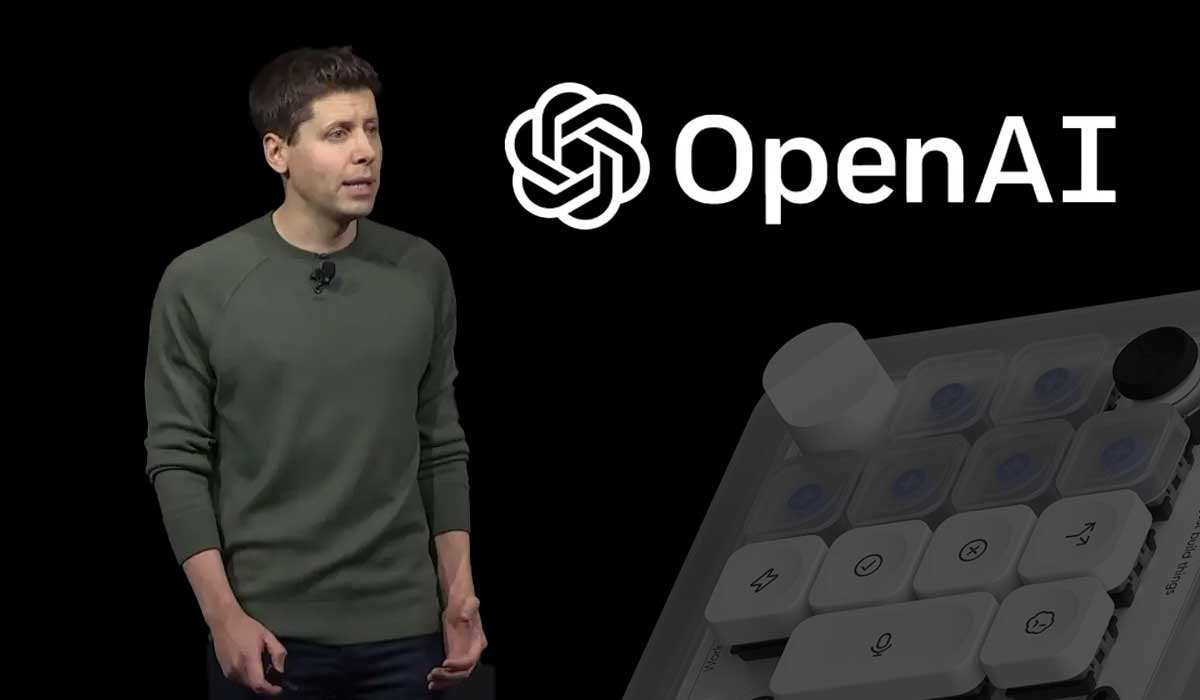
OpenAI’s move into consumer hardware signals something much bigger than launching another gadget. It represents a shift in how we may interact with technology over the next decade. Rather than opening an app to use AI, the future could involve simply talking to an intelligent device that understands context, remembers preferences, and helps throughout the day.

Related Post
Whether OpenAI’s first hardware product becomes a commercial success or not, one thing is clear: the AI industry is entering a new era where software alone is no longer enough.
The Next Battle in AI Isn’t Software-It’s Hardware
For the past few years, companies have competed to build smarter AI models. ChatGPT, Gemini, Claude, Copilot, and other assistants have pushed the boundaries of what AI can do.
But intelligence without the right interface has limitations.
Today’s AI still depends on users opening websites, launching apps, typing prompts, or navigating menus. These steps create friction. If AI is truly meant to become an everyday assistant, it needs a more natural way to interact with people.
That’s why hardware matters.
The companies that define the next generation of AI won’t simply build the smartest models-they’ll create the best experience for using them.

Why OpenAI Is Entering Hardware
OpenAI has already established itself as one of the world’s leading AI companies through ChatGPT and its advanced language models.
The logical next step is controlling both the software and the device people use every day.
History shows this pattern repeatedly.
Apple combined hardware with software to transform personal computing and smartphones.
Amazon brought Alexa into millions of homes through Echo devices.
Google expanded Assistant through Pixel phones and smart home products.
Now OpenAI appears ready to explore the same strategy-but with generative AI at its core instead of traditional voice assistants.
This Isn't About Building Another Smart Speaker
Many people compare OpenAI’s expected device to Amazon Echo or Google Nest.
That comparison only tells part of the story.
Traditional voice assistants follow commands.
Modern AI assistants understand conversations.
Instead of saying:
“Set a timer for 15 minutes.”
Users may soon ask:
“I’m cooking dinner, remind me when the pasta has been boiling for ten minutes, and while we’re waiting, suggest a dessert using what’s already in my fridge.”
That difference changes everything.
The conversation becomes continuous instead of command-based.
From Apps to AI Companions
Today’s smartphones require users to constantly switch between apps.
Messages live in one place.
Calendars in another.
Maps somewhere else.
Notes somewhere else again.
Imagine replacing all of that with a single intelligent assistant that understands what you’re trying to accomplish instead of asking which application you want to use.
Instead of opening five different apps before work, you could simply say:
“Plan my morning based on today’s meetings, traffic conditions, and unfinished tasks.”
That is where AI hardware becomes exciting.
The device isn’t replacing your phone-it becomes the intelligent layer above everything else.
Voice Could Become the New User Interface
For decades we’ve learned new interfaces.
Keyboard.
Mouse.
Touchscreen.
Voice.
AI may introduce something different entirely: conversation.
Talking is the most natural form of communication humans have.
As speech recognition improves and AI understands context better, conversations become faster than typing.
That doesn’t mean screens disappear overnight.
Instead, screens become optional.
The assistant becomes primary.
Why Context Is the Missing Piece
One limitation of today’s AI is context.
Each conversation often starts from scratch.
Dedicated AI hardware could eventually understand:
- Your daily routine
- Your work schedule
- Your preferred communication style
- Travel habits
- Frequently visited places
- Family reminders
- Shopping preferences
With clear user controls and privacy protections, this contextual understanding could make AI significantly more useful.
Instead of reacting to commands, it could proactively assist.
The Privacy Question Cannot Be Ignored
Of course, smarter AI also raises bigger questions.
How much information should a personal AI remember?
Who owns that data?
How is it protected?
Can users delete everything instantly?
Trust will matter as much as technology.
Consumers have become increasingly aware of digital privacy, and any company entering AI hardware will need transparent policies, meaningful user controls, and strong security safeguards.
Without trust, even the smartest device may struggle to gain widespread adoption.
Competition Is About to Intensify
OpenAI is unlikely to have the market to itself.
Apple continues expanding Apple Intelligence.
Google is deeply integrating Gemini across its ecosystem.
Meta is investing heavily in AI-powered wearable devices.
Amazon is evolving Alexa with generative AI capabilities.
Microsoft is embedding AI across Windows and productivity software.
This competition benefits consumers because it encourages faster innovation, better products, and more thoughtful user experiences.
My Perspective: AI Hardware Could Be Bigger Than Smartphones
Every major technology shift begins with skepticism.
People questioned smartphones.
They doubted smartwatches.
Many dismissed cloud computing.
AI hardware may face similar criticism.
Yet if conversational AI continues improving, dedicated AI devices could become one of the most important consumer technology categories of the next decade.
Not because they replace phones immediately—but because they change how people interact with technology itself.
Instead of searching, we ask.
Instead of tapping, we talk.
Instead of opening apps, we simply describe what we want.
That represents a profound shift in computing.
What Success Will Really Look Like
OpenAI doesn’t need to sell hundreds of millions of devices in its first year.
Success will be measured differently.
If users begin relying on AI conversations instead of traditional apps, the industry changes forever.
Developers will rethink software.
Businesses will redesign customer experiences.
Consumers will expect every device to understand natural language.
That future may still be years away.
But the first step appears to have already begun.
Whether OpenAI’s first AI device launches as expected or evolves into something entirely different, its entrance into hardware is an important moment for the technology industry.
The next generation of innovation may not be defined by faster processors or larger screens.
It may be defined by devices that understand us better.
The companies that successfully combine artificial intelligence, thoughtful hardware design, privacy, and seamless user experiences are likely to shape the future of personal computing.
OpenAI’s hardware journey is only beginning, but it already raises one of the most fascinating questions in technology today:
When AI becomes a constant companion rather than an application, how will that change the way we live, work, and communicate?
Opinion articles reflect the author’s analysis and perspective based on publicly available information. Product features, specifications, and launch timelines may change as official announcements become available.
FAQs
What is OpenAI's first AI device expected to be?
OpenAI is reportedly developing its first consumer AI hardware device. While official details remain limited, it is expected to focus on voice-first interactions and advanced AI assistance rather than functioning as a traditional smartphone or laptop.
Why is OpenAI entering the hardware market?
OpenAI's move into hardware reflects a broader vision of making AI more accessible in everyday life. By combining AI software with dedicated devices, the company aims to create a more natural and seamless user experience.
How could OpenAI's AI device differ from existing smart speakers?
Unlike traditional smart speakers that primarily respond to simple voice commands, OpenAI's AI device is expected to support more natural conversations, understand context, and provide intelligent assistance powered by advanced AI models.
Will OpenAI's hardware replace smartphones?
It is unlikely that AI hardware will replace smartphones in the near future. Instead, these devices are expected to complement existing technology by offering a more conversational and AI-focused way to interact with digital services.
What features might OpenAI's first AI device include?
Although OpenAI has not officially confirmed the final specifications, industry discussions suggest features such as conversational AI, voice assistance, smart home integration, personalized task management, and context-aware interactions.
Disclaimer: This article is an opinion piece based on publicly available information. Product details and timelines may change following official announcements from OpenAI.
Explore more technology insights, AI innovations, and digital trends in our Technology Desk.