NZ Indian
  • Home
  • Expert opinions
    • Business Insights
    • Education Lens
    • Health | Wellbeing
    • New Zealand Immigration
    • Lifestyle/Cultural Views
    • Travel
  • News
    • New Zealand
    • Entertainment
    • Global
    • Sports
    • Technology Desk
    • Events
  • Blog
  • Advertise With us
  • Contact us
No Result
View All Result
NZ Indian
  • Home
  • Expert opinions
    • Business Insights
    • Education Lens
    • Health | Wellbeing
    • New Zealand Immigration
    • Lifestyle/Cultural Views
    • Travel
  • News
    • New Zealand
    • Entertainment
    • Global
    • Sports
    • Technology Desk
    • Events
  • Blog
  • Advertise With us
  • Contact us
No Result
View All Result
NZ Indian

How AI Tools Are Changing Everyday Life and Creating New Job Opportunities

NZ Indian Insights by NZ Indian Insights
October 17, 2026
in Technology Desk
A A
How AI Tools Are Changing Everyday Life and Creating New Job Opportunities
Share on FacebookShare on Twitter

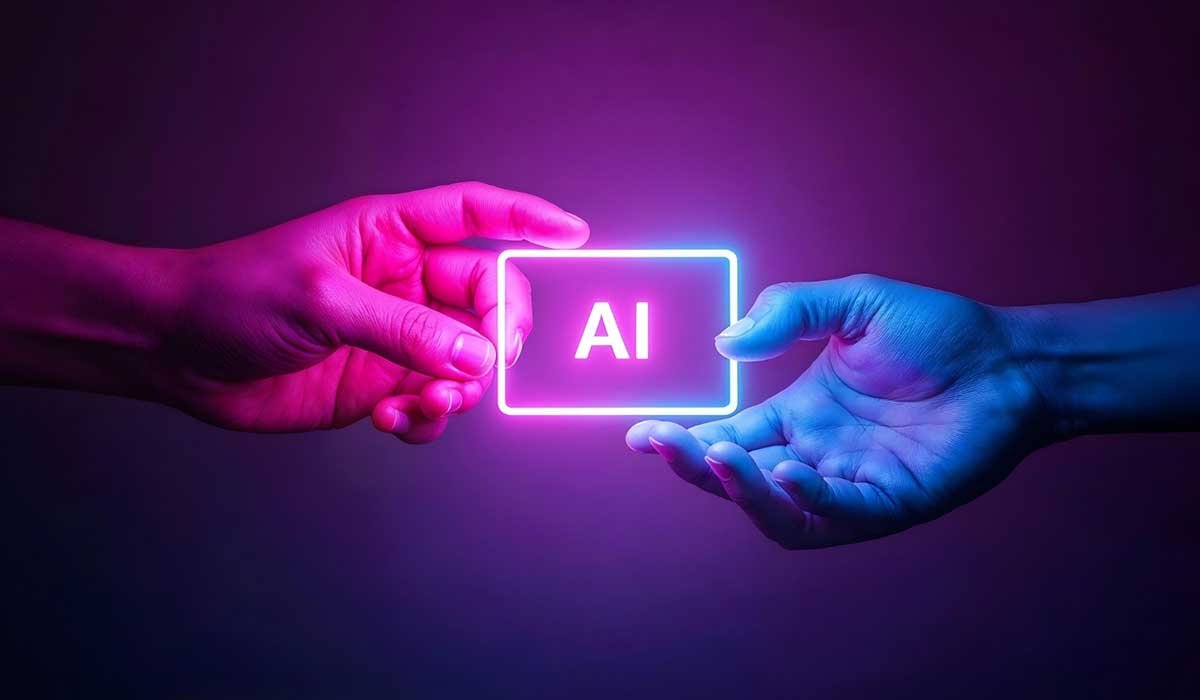
Artificial intelligence (AI) is becoming part of everyday life, changing how people work, study, communicate, manage businesses and solve problems. From writing emails and translating languages to creating digital content and analysing information, AI-powered tools are helping people complete tasks that once required considerably more time and effort.

For people living in New Zealand, including Indian migrants, international students, working professionals and business owners, this technology presents both opportunities and challenges. While some tasks may become automated, AI is also opening new possibilities for people willing to develop their digital skills and explore emerging career paths.

The important question is no longer simply whether AI will affect our lives. It is how individuals and businesses can use it responsibly to improve productivity, develop new skills and prepare for the changing world of work.

Related Post

Tesla Unveils Flying Roadster With Rocket Thrusters: Production Planned for 2028

Tesla Unveils Flying Roadster With Rocket Thrusters: Production Planned for 2028

October 16, 2026
Apple HomeView Unveiled: A Smarter Way to Connect, Enjoy Entertainment and Manage Your Home

Apple HomeView Unveiled: A Smarter Way to Connect, Enjoy Entertainment and Manage Your Home

October 16, 2026
ChatGPT Text Watermarking: OpenAI Introduces New AI Content Provenance System in the EU

ChatGPT Text Watermarking: OpenAI Introduces New AI Content Provenance System in the EU

October 7, 2026
SpaceX Crew-12 Heads Home: Why NASA’s Live Return Matters for the Future of Space Technology

SpaceX Crew-12 Heads Home: Why NASA’s Live Return Matters for the Future of Space Technology

October 6, 2026

What Is Artificial Intelligence, and Why Does It Matter?

Artificial intelligence refers to computer systems designed to perform tasks that typically require human intelligence, such as understanding language, recognising patterns, generating content and assisting with decision-making.

Popular tools such as ChatGPT, Microsoft Copilot and Google Gemini can help users generate ideas, summarise information, draft documents and work through problems. Other AI applications support image creation, video editing, customer service, data analysis and software development.

These technologies are becoming more accessible to people without advanced technical knowledge. A student can use AI to organise revision notes, a small business owner can draft promotional content, and an employee can use it to prepare a first draft of a report.

However, AI is not always accurate. Its results need to be checked, especially when dealing with financial information, health advice, legal matters, employment decisions or important business documents.

How AI Tools Are Changing Everyday Life

1. Making Work and Daily Tasks Faster

One of AI’s most noticeable benefits is its ability to assist with repetitive tasks. People can use AI to organise schedules, summarise lengthy documents, draft emails, prepare meeting notes and generate checklists.

For example, a busy professional may use an AI assistant to create a first draft of a presentation. Instead of starting from a blank page, they can spend more time reviewing the content, checking facts and improving the final result.

AI can also help people brainstorm solutions and organise complex information. The greatest benefit often comes when people combine the speed of AI with their own experience and judgement.

2. Supporting Education and Skill Development

AI is changing how students and working professionals approach learning. It can explain difficult concepts in simpler language, create practice questions, suggest study schedules and help learners understand unfamiliar topics.

International students and people entering a new career may find these tools useful when improving their writing, communication or digital skills.

However, using AI to complete assignments without understanding the subject can undermine learning. Students should follow their institution’s academic integrity policies, verify information and use AI as a learning assistant rather than a substitute for independent thinking.

3. Improving Communication and Accessibility

Language barriers can make everyday tasks more difficult for people living in a new country. AI-powered translation and writing tools can help users understand documents, prepare professional messages and communicate more confidently.

For Indian migrants settling in New Zealand, these tools may be helpful when preparing questions for service providers, improving workplace communication or understanding general information.

Nevertheless, translations involving immigration, legal rights, medical instructions or official documents should be checked carefully. AI-generated translations may miss important details or misunderstand context.

4. Helping Small Businesses Compete

AI is also creating opportunities for small businesses that cannot afford large marketing or administrative teams.

A café owner, retailer, consultant or home-based entrepreneur can use AI to brainstorm marketing campaigns, prepare social media captions, draft website content, respond to common customer questions and organise business information.

For example, a small hospitality business could use AI to create promotional ideas for a weekend event. Staff can then adapt those ideas to reflect the business’s personality, customers and local community.

AI can reduce the time required for certain tasks, but it does not automatically guarantee higher sales, satisfied customers or business growth. Human oversight and a clear business strategy remain essential.

Can AI Create New Job Opportunities?

Although concerns about job losses are understandable, AI’s impact on employment is more complicated than simply replacing people with machines.

An OECD report published in July 2026 explains that AI can automate existing tasks, improve productivity and create new tasks and occupations. The overall employment effect depends on how these changes interact across industries and skill levels. OECD research

Some repetitive activities may require less human effort in the future. At the same time, organisations may need people who can introduce AI tools, manage digital systems, assess AI-generated information and apply these technologies to practical business problems.

The exact number and types of future jobs remain uncertain. However, learning to work effectively with AI could help people prepare for changing workplace expectations.

Emerging Career and Business Opportunities Linked to AI

The following are potential career directions rather than guaranteed job openings. Demand will vary depending on employers, industry requirements, experience and location.

1. AI Content and Digital Marketing Specialist

Businesses need relevant content to reach customers across websites, search engines, email and social media. Professionals who combine AI-assisted content production with editing, brand strategy, audience research and SEO may find opportunities in digital marketing.

Simply generating large amounts of AI content is unlikely to be enough. Quality, originality, accuracy and a genuine understanding of the audience remain important.

2. AI Workflow and Automation Consultant

Many small businesses rely on repetitive administrative processes, from responding to enquiries to organising customer information.

An automation consultant can help identify tasks that could be streamlined using AI and other digital tools. This work may involve connecting applications, designing workflows, testing systems and training staff.

People with business knowledge, problem-solving abilities and an understanding of digital platforms can begin exploring this area without necessarily becoming machine-learning engineers.

3. Data Analyst and AI-Assisted Business Analyst

Businesses use data to understand customer behaviour, monitor performance and make decisions. AI-assisted analysis can help professionals summarise datasets, identify patterns and prepare reports.

However, effective analysts still need statistical understanding, data-quality awareness and the ability to explain what the findings actually mean.

4. AI Implementation and Training Specialist

Some organisations may purchase AI software but struggle to integrate it into their daily operations. They may need support choosing suitable tools, setting up processes, creating internal guidelines and training employees.

People with experience in IT support, business operations, project management or workplace training could explore this direction.

5. AI-Enabled Freelancing and Digital Services

AI can help freelancers work more efficiently across areas such as website development, graphic design, video editing, translation, research assistance and online marketing.

For example, a freelancer might use AI to generate initial design concepts or organise a video script, then apply professional skills to produce the finished work.

Freelancers still need to demonstrate quality, meet client expectations, protect confidential information and respect copyright requirements.

6. AI Product Development and Technical Careers

People interested in technology can explore careers involving software development, machine learning, data engineering, AI testing, cybersecurity and AI system integration.

These roles may require programming, mathematics, computer science or specialised training. They can offer a more technical route into the AI economy for people prepared to invest in deeper learning.

What Does This Mean for Workers in New Zealand?

New Zealand is actively encouraging businesses to explore AI adoption and innovation. The government’s AI strategy, released in July 2025, outlines an approach intended to help businesses use AI confidently and responsibly. New Zealand’s AI strategy

For local workers, the practical message is to understand how AI may affect the tasks in their own occupation rather than assuming every profession will change in the same way.

Office administration, marketing, finance, customer service and professional work may involve tasks that AI can assist with. Other jobs rely heavily on physical skills, personal relationships, practical judgement or working in unpredictable environments.

A February 2026 Reserve Bank of New Zealand research note examined potential AI and robotics exposure across New Zealand occupations, illustrating why it is useful to consider different types of work separately rather than treating the labour market as one category. Reserve Bank research

For Indian professionals and international students, building local work experience, improving communication skills and learning how AI is used in a chosen industry can be practical steps towards future opportunities.

How to Prepare for AI-Related Opportunities

People do not need to master every AI tool at once. A focused learning plan can make the process more manageable.

Start with everyday tools. Experiment with an AI assistant to draft an email, summarise a public document or organise a project. Compare the output with reliable information and learn where the tool performs well or poorly.

Develop a skill that solves a real problem. This could be SEO, data analysis, website development, customer support, graphic design or business automation. AI becomes more useful when combined with an existing professional skill.

Build a small portfolio. Create a sample marketing campaign, website, data report or workflow demonstration. Explain which tools you used, what you checked and what value the project provides.

Keep learning. AI technology is evolving quickly. Short courses, practical projects, professional communities and workplace training can help people update their knowledge over time.

Protect privacy and confidential information. Do not upload sensitive customer records, personal information, passwords or confidential workplace documents to AI services unless the use is authorised and appropriate safeguards are in place.

Strengthen human skills. Communication, critical thinking, creativity, teamwork, cultural awareness and ethical judgement remain valuable. These skills help people identify the right questions, evaluate AI output and make decisions that technology cannot responsibly make on its own.

The Risks: Why Human Judgement Still Matters

AI can produce convincing but incorrect answers, reflect bias in its output, expose information if used carelessly or create content that requires copyright and accuracy checks.

Businesses should consider data protection, cybersecurity, transparency and the consequences of relying on automated recommendations. Employees should understand workplace policies before using AI for official tasks.

There is also a risk that access to training and technology will not be equal for everyone. Workers who cannot access learning opportunities may find it harder to adapt as job requirements change.

New Zealand’s government guidance encourages people to develop their AI skills while continuing to apply human judgement and transferable abilities in the workplace. Career guidance on preparing for AI at work

The aim should not be to use AI everywhere. It should be to identify where it genuinely helps, where human expertise is essential and where using it would be inappropriate.

Conclusion: Turn AI Change Into an Opportunity

AI tools are already influencing how people learn, communicate, work and run businesses. Their future impact on employment will depend on technological progress, business decisions, training opportunities and how workers adapt.

For New Zealand’s Indian community and the wider workforce, AI can provide a practical starting point for learning new digital skills, improving productivity and exploring freelance, business and career opportunities.

The best approach is neither to fear AI nor to assume it can solve every problem. Instead, people should learn how it works, test it responsibly and combine its capabilities with their own knowledge and experience.

The future may not belong only to people who build AI. It may also favour people who understand how to use it wisely to solve real-world problems.

As AI continues to evolve, curiosity, adaptability and a commitment to lifelong learning could become some of the most valuable professional assets.

Disclaimer: This article is for general informational and educational purposes only. Potential career paths are illustrative and do not guarantee employment, income or business success. Readers should verify important information and seek qualified advice where appropriate.

Tags: New ZealandNZ Indian InsightsTechnology Desk
NZ Indian Insights

NZ Indian Insights

Related Posts

Tesla Unveils Flying Roadster With Rocket Thrusters: Production Planned for 2028
Technology Desk

Tesla Unveils Flying Roadster With Rocket Thrusters: Production Planned for 2028

by NZ Indian Insights
October 16, 2026
Apple HomeView Unveiled: A Smarter Way to Connect, Enjoy Entertainment and Manage Your Home
Technology Desk

Apple HomeView Unveiled: A Smarter Way to Connect, Enjoy Entertainment and Manage Your Home

by Mukesh Narayan Thakur
October 16, 2026
ChatGPT Text Watermarking: OpenAI Introduces New AI Content Provenance System in the EU
Technology Desk

ChatGPT Text Watermarking: OpenAI Introduces New AI Content Provenance System in the EU

by NZ Indian Insights
October 7, 2026

Leave a Reply Cancel reply

Your email address will not be published. Required fields are marked *

https://wa.me/64221593058?text=Hi%2C%20I%20would%20like%20to%20enquire%20about%20paid%20listing%20on%20NZ%20Indian%20Insights
  • Trending
  • Comments
  • Latest
5 Must-Watch Business Movies Every Entrepreneur Should Watch

5 Must-Watch Business Movies Every Entrepreneur Should Watch

September 12, 2026
English-requirements

English Language Requirements Extended to AEWV Skill Level 3 Roles: A Necessary Step or New Challenge for Migrant Workers?

September 7, 2026
Travel-Destinations-in-New-Zealand

Best Hidden Travel Destinations in New Zealand You Should Visit in 2026

April 21, 2026
Are-Short-Term-Courses-and-Diplomas-Still-Valued-in-New-Zealands-Job-Market

Are Short-Term Courses and Diplomas Still Valued in New Zealand’s Job Market?

April 23, 2026
Common Financial Mistakes New Migrants Make in New Zealand

Common Financial Mistakes New Migrants Make in New Zealand

2
How-to-Reduce-Household-Expenses-Without-Sacrificing-Lifestyle

How to Reduce Household Expenses Without Sacrificing Lifestyle

2
Googles-New-AI-Chip-Could-Boost-Gemini-Performance

Google’s Next AI Breakthrough Could Be a Chip Built for Gemini

1
Googlebook Arrives: Google’s New Laptop

Googlebook Arrives: Google’s New Laptop Connects Your Android Phone and PC Experience

1
How AI Tools Are Changing Everyday Life and Creating New Job Opportunities

How AI Tools Are Changing Everyday Life and Creating New Job Opportunities

October 17, 2026
Tesla Unveils Flying Roadster With Rocket Thrusters: Production Planned for 2028

Tesla Unveils Flying Roadster With Rocket Thrusters: Production Planned for 2028

October 16, 2026
Apple HomeView Unveiled: A Smarter Way to Connect, Enjoy Entertainment and Manage Your Home

Apple HomeView Unveiled: A Smarter Way to Connect, Enjoy Entertainment and Manage Your Home

October 16, 2026
Netflix Unveils First Trailer for Greta Gerwig’s New Narnia Film

Netflix Unveils First Trailer for Greta Gerwig’s New Narnia Film

October 15, 2026

About

Stay informed with the latest from New Zealand's Indian community - news, insights, and inspiration all in one place, only at NZ Indian Insights.
NZ Indian Insights publishes independently written articles based on publicly reported information, with sources credited where relevant.

Categories

  • Business Insights
  • Education Lens
  • Entertainment
  • Event
  • Expert opinions
  • Global
  • Health & Wellbeing
  • Immigration Insights
  • Lifestyle/Cultural Views
  • New Zealand
  • Sports
  • Technology Desk
  • Travel

Tags

AI news 2026 Business Insights Education Lens English Language Entertainment Event Expert opinions Global Google Gemini Health & Wellbeing Immigration Insights Lifestyle/Cultural Views Migrant Workers New Changes News New Zealand NZ Indian Insights OpenAI Sidhu Moose Wala Sports Technology Desk Travel Trending Weather

Recent Post

  • How AI Tools Are Changing Everyday Life and Creating New Job Opportunities
  • Tesla Unveils Flying Roadster With Rocket Thrusters: Production Planned for 2028
  • Home
  • Privacy Policy
  • Disclaimer
  • Advertise With us
  • Contact us
  • Terms & Conditions

© 2026 NZ Indian Insights - Design by Metavorx Digital Agency.

No Result
View All Result
  • Home
  • Expert opinions
    • Business Insights
    • Education Lens
    • Lifestyle/Cultural Views
    • Health | Wellbeing
    • Travel
  • News
    • New Zealand
    • Entertainment
    • Global
    • Sports
    • Technology Desk
    • Events
  • Advertise With us
  • Contact us

© 2026 NZ Indian Insights - Design by Metavorx Digital Agency.