
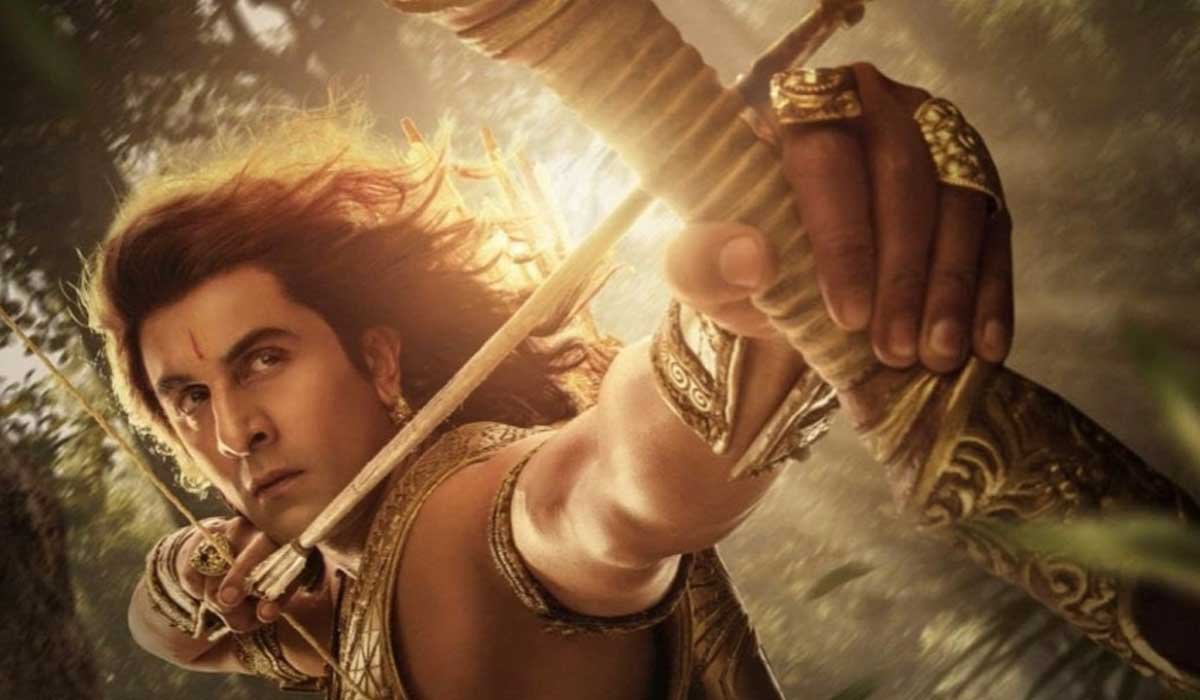
Ramayana: Rise of a Legend brings one of India’s most celebrated epics to the big screen with ambitious visual effects, magnificent settings and larger-than-life action sequences. Directed by Nitesh Tiwari, the film stars Ranbir Kapoor as Lord Rama, Sai Pallavi as Sita and Yash as Ravana.
The film’s biggest attraction is its visual presentation. From majestic kingdoms and celestial landscapes to elaborate battle sequences, the production aims to create a cinematic world that feels larger than life. However, an adaptation of the Ramayana must deliver more than impressive graphics. Its emotional depth, memorable characters and spiritual significance are equally important.
Related Post




Ramayana: Rise of a Legend Review – An Impressive Visual Experience
One of the strongest aspects of Ramayana: Rise of a Legend is its visual ambition. The filmmakers have attempted to create a detailed mythological universe that combines grand architecture, expansive landscapes, supernatural elements and spectacular action.
The visual effects play a central role in bringing the ancient epic to life. Rather than relying only on traditional sets, the film uses computer-generated imagery to build enormous kingdoms, dramatic battlefields and extraordinary environments.
For audiences who enjoy large-scale fantasy cinema, these visuals offer plenty to appreciate. The film demonstrates the possibilities of combining modern filmmaking technology with stories rooted in Indian mythology.
The production design also contributes to the atmosphere. The costumes, environments and scale of the settings help establish a world that feels distinct from everyday reality.
Early reviews have particularly highlighted the film’s visual effects, world-building and ambitious presentation. Several critics consider its technical achievement one of its most significant strengths.
Stunning Graphics and Visual Effects Take Centre Stage
The graphics are among the main reasons the film has attracted attention. Creating a convincing cinematic adaptation of the Ramayana requires filmmakers to visualise places, creatures and events that have inspired generations of artists, writers and storytellers.
The challenge is not simply to make everything look spectacular. The visual effects must also support the story and help audiences understand the significance of the events unfolding on screen.
Ramayana: Rise of a Legend aims to meet this challenge through large-scale environments, detailed digital imagery and dramatic action sequences.
The film’s visual ambition is particularly important for younger audiences who are familiar with international fantasy franchises and modern visual-effects-driven cinema. A technically accomplished adaptation can introduce a new generation to an important part of India’s cultural heritage.
However, visual effects are most effective when they feel natural within the story. Some early reviews have noted that certain digital elements appear artificial, suggesting that the film’s visual achievements are not equally convincing in every sequence.
Even so, the overall scale of the production makes its visual presentation one of the most discussed aspects of the film.
Ranbir Kapoor as Lord Rama
Ranbir Kapoor takes on the important role of Lord Rama, a character associated with duty, righteousness, compassion and moral responsibility.
Portraying Rama presents a particular challenge because audiences already have strong cultural and personal connections with the character. The performance needs to communicate both the strength of a legendary prince and the composure expected of an ideal figure.
The film places Rama’s journey within a larger story of family responsibilities, exile and the conflict that eventually brings him into opposition with Ravana.
The character’s appeal depends on more than his abilities as a warrior. His decisions, relationships and sense of duty are central to understanding why the Ramayana has remained meaningful across generations.
Early reviews have praised aspects of the film’s action and visual presentation while raising questions about whether every character receives sufficient emotional depth.
For an epic of this scale, the balance between heroic spectacle and personal emotion is essential.
Yash as Ravana: A Powerful Screen Presence
Yash plays Ravana, one of the most complex and recognisable figures in Indian mythology.
Ravana is remembered as a formidable ruler, a learned scholar and a devotee of Lord Shiva, but also as a character whose pride and actions lead to devastating consequences.
This combination makes the role particularly demanding. A compelling portrayal must communicate his authority and intelligence while exploring the flaws that shape his downfall.
Yash’s performance has emerged as a major talking point in early reviews. Critics have highlighted his commanding screen presence and the way he brings intensity to Ravana.
The film also explores aspects of Ravana’s background, helping establish the character beyond his familiar position as the central antagonist.
His portrayal adds another dimension to the story, although the larger narrative must still give sufficient attention to the relationships and moral conflicts surrounding him.
Sai Pallavi as Sita and the Importance of Her Character
Sai Pallavi plays Sita, whose role is central to the emotional and narrative foundations of the Ramayana.
Sita is more than a character around whom the conflict unfolds. Her courage, resilience, dignity and decisions are essential to understanding the epic’s deeper themes.
The challenge for the filmmakers is to give her character sufficient individuality while remaining attentive to the cultural significance of the story.
The film’s visual scale creates opportunities for dramatic scenes, but Sita’s quieter moments and relationships also deserve space. These elements help audiences connect with the characters beyond the spectacle.
Early critical responses have been mixed about the depth given to some characters, including Sita. This highlights an important consideration for mythological cinema: impressive presentation must be matched by meaningful character development.
Storytelling: Can the Film Match Its Visual Grandeur?
The Ramayana is a story of love, duty, sacrifice, loyalty, ambition and the consequences of human choices.
Its lasting influence comes not only from its extraordinary events but also from the moral questions it raises. What does it mean to fulfil one’s responsibilities? How should power be used? What happens when pride overwhelms wisdom?
These themes give the story relevance across generations and cultures.
With such a rich narrative, the filmmakers face the challenge of balancing numerous characters and important events within a single cinematic experience.
Some early reviews suggest that the film’s writing and pacing do not always match the ambition of its visual presentation. Certain relationships and supporting characters could have benefited from more development.
This is an important distinction. Spectacular graphics can create an unforgettable moment, but strong storytelling gives that moment lasting emotional significance.
The most successful mythological films are those in which technical excellence and emotional depth work together.
Music, Action and the Big-Screen Experience
Music and sound design are important parts of a production of this scale. They help establish atmosphere, build tension and give major sequences a greater sense of importance.
The film’s action sequences and expansive visual environments are designed to make use of the theatrical experience. Large screens allow viewers to appreciate the detail, scale and movement of the imagery more fully.
The background score also contributes to the film’s dramatic atmosphere, although the impact of individual musical moments may vary between viewers.
For audiences interested in Indian mythology and large-scale fantasy cinema, the combination of visual effects, action and music provides a significant reason to consider watching the film in a theatre.
Why Ramayana Matters to Indian Audiences Worldwide
The Ramayana occupies a special place in Indian culture. Its stories have travelled through generations, languages, regional traditions, theatre, literature, television and cinema.
For Indian communities living overseas, including Kiwi-Indians in New Zealand, a modern cinematic adaptation can also offer an opportunity to reconnect with familiar stories and share them with younger family members.
Children growing up outside India may encounter the epic through family traditions, festivals, storytelling and contemporary entertainment. A visually ambitious film can provide another starting point for conversations about its characters and values.
At the same time, an adaptation of a culturally significant epic carries considerable responsibility. Audiences may approach the story with different regional traditions, interpretations and expectations.
Respect for the source material, thoughtful characterisation and attention to its underlying values are therefore just as important as the scale of the production.
Final Verdict: A Visual Spectacle With Room for Deeper Storytelling
Ramayana: Rise of a Legend is an ambitious cinematic interpretation of a story that has inspired audiences for centuries. Its expansive world-building, striking visual effects and large-scale action establish a strong technical foundation.
Yash’s portrayal of Ravana has received particular attention, while the performances of Ranbir Kapoor and Sai Pallavi bring two of the epic’s central figures to the screen.
The main question is whether the film’s storytelling consistently matches its impressive visuals. Early reviews point to moments of technical achievement alongside concerns about pacing and the development of certain characters.
Ultimately, the Ramayana deserves both visual grandeur and emotional sincerity. Its power lies in the relationships, difficult choices and timeless values that give meaning to its extraordinary events.