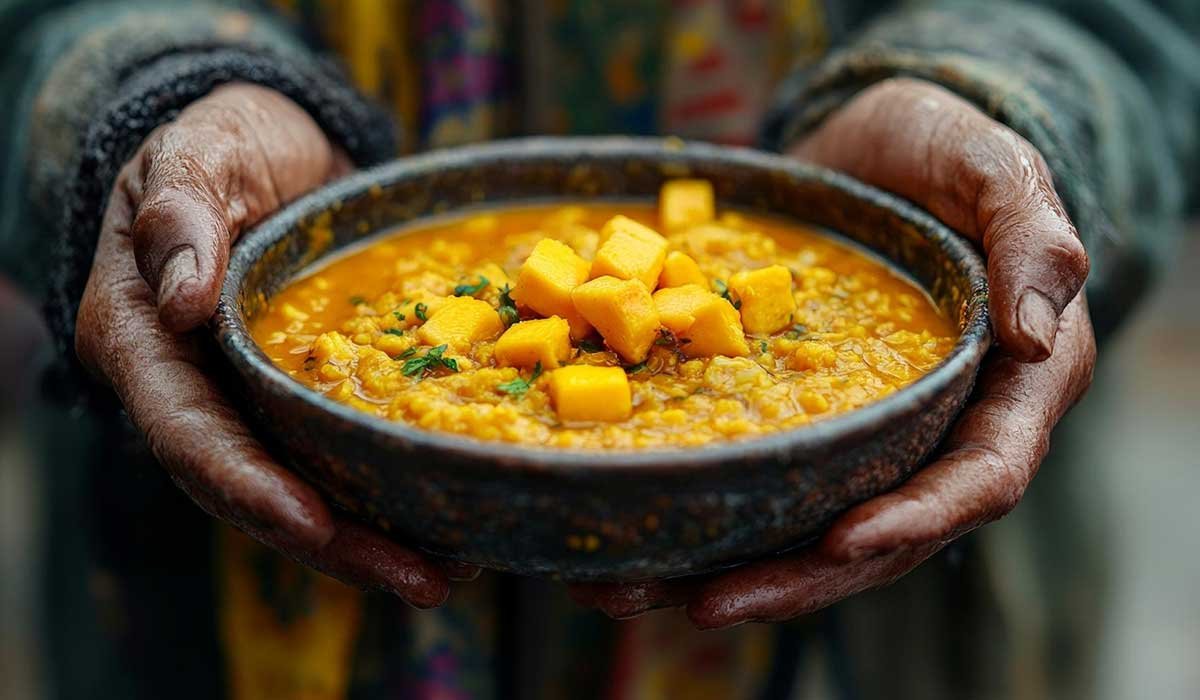
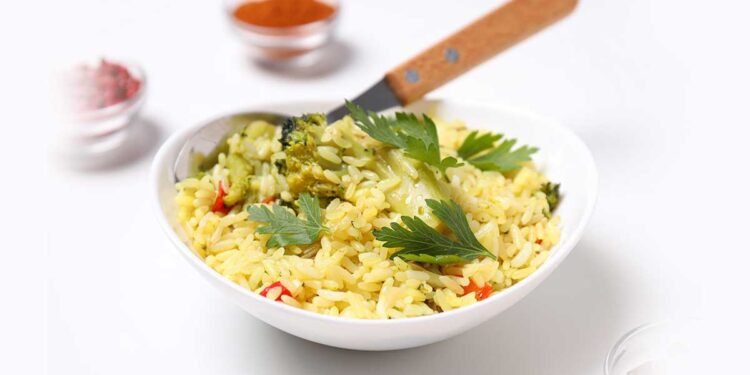
For generations, khichdi has been a staple in Indian households. Simple, affordable and comforting, it has long been associated with recovery meals, rainy days and home-cooked goodness. Today, however, this traditional dish is enjoying a new wave of appreciation as nutrition experts and health-conscious eaters recognise its nutritional value and versatility.
In an age where social media is filled with expensive superfoods, protein-packed snacks and trendy diets, it’s interesting to see one of India’s oldest recipes quietly making a comeback. Across wellness communities, many dietitians are encouraging people to revisit simple, balanced meals rather than relying solely on processed “health” foods.
Khichdi may not look glamorous, but its biggest strength has always been its simplicity.
A Traditional Dish That Has Stood the Test of Time
Khichdi has been part of Indian cuisine for centuries. Made primarily with rice and lentils, it has countless regional variations across India. Some families prepare it with moong dal, while others add vegetables, spices or a spoonful of ghee for extra flavour.
Unlike many modern food trends that come and go, khichdi has remained a constant because it meets several everyday needs. It’s affordable, quick to prepare, filling and adaptable to different tastes and dietary preferences.
For many people, the aroma of freshly cooked khichdi brings back memories of childhood, family kitchens and meals shared during monsoon evenings. Those emotional connections are part of what makes the dish so special.
Why Health Experts Are Talking About Khichdi Again
Nutrition professionals often recommend meals that combine carbohydrates, protein and fibre while being easy to digest. Khichdi naturally ticks many of these boxes.
Rice provides energy, lentils contribute plant-based protein, and adding vegetables increases fibre, vitamins and minerals. When prepared with moderate amounts of healthy fats such as ghee or olive oil, it can become a satisfying, well-rounded meal.
Many health experts also appreciate that khichdi contains relatively few processed ingredients. Instead of relying on packaged foods with long ingredient lists, it uses whole foods that many families already keep in their kitchen.
That simplicity makes it easier for people to understand exactly what they’re eating.
Gentle on Digestion
One reason khichdi has always been recommended during illness is that it is generally easy to digest.
Cooked until soft, rice and lentils become gentle on the stomach, making the dish suitable for people recovering from digestive discomfort or those looking for lighter meals after periods of overeating.
This doesn’t mean khichdi is only for sick days.
Many people now choose it simply because they want meals that feel nourishing without being overly heavy.
A Budget-Friendly Healthy Meal
Healthy eating is often portrayed as expensive, with supermarket shelves full of premium protein powders, imported grains and specialty products.
Khichdi challenges that idea.
Rice and lentils remain among the most affordable pantry staples in many countries, including New Zealand. By adding seasonal vegetables, families can prepare a nutritious meal without spending a fortune.
For students, young professionals and growing families trying to manage household budgets, this makes khichdi an attractive option.
Good nutrition doesn’t always require expensive ingredients.
Easy to Customise
One of khichdi’s biggest advantages is its flexibility.
Depending on personal taste and nutritional goals, people can include:
- Mixed vegetables such as carrots, peas, spinach or pumpkin
- Different varieties of lentils
- Brown rice or millets for added fibre
- Paneer or tofu for additional protein
- Ginger, cumin, turmeric and black pepper for flavour
- Fresh coriander and lemon juice before serving
Every family has its own version, making khichdi one of India’s most adaptable recipes.
Why It's Becoming Popular Beyond India
Traditional foods are increasingly being appreciated around the world as people move away from highly processed diets.
International interest in plant-based eating has also contributed to khichdi’s growing popularity. Its combination of grains and legumes fits well into vegetarian and vegan lifestyles while offering satisfying nutrition.
Food bloggers, chefs and wellness influencers have introduced modern versions featuring quinoa, millet, roasted vegetables and global seasonings.
Despite these updates, the heart of the dish remains the same.
A Meal That Fits Busy Modern Lives
Modern lifestyles often leave little time for elaborate cooking.
Khichdi offers a practical solution because it requires relatively little preparation and can often be cooked in a single pot or pressure cooker.
For busy parents, professionals and students, this means less time in the kitchen and fewer dishes to wash.
It also stores well, making it suitable for meal preparation during the week.
More Than Nutrition-It's Comfort
Food isn’t only about calories or nutrients.
Some meals provide emotional comfort, helping people slow down and reconnect with family traditions.
Khichdi carries that emotional value for millions of Indians.
Whether served during cold weather, after a long day or alongside yoghurt, pickle and papad, it reminds many people that healthy eating can also be comforting and familiar.
Perhaps that’s one reason why it continues to remain relevant generation after generation.
Tips for Making Healthier Khichdi
If you’re looking to make khichdi even more nutritious, consider these simple ideas:
- Add at least two or three colourful vegetables.
- Choose whole grains such as brown rice or millets occasionally.
- Use moderate amounts of ghee rather than excessive oil.
- Include fresh herbs for extra flavour.
- Pair it with yoghurt for additional protein if dairy suits your diet.
- Control portion sizes while maintaining balance.
Small changes can significantly increase the nutritional value without losing the traditional taste.
A Word of Balance
Although khichdi offers many nutritional benefits, no single food is a complete solution for long-term health.
Experts generally encourage people to follow a balanced diet that includes a variety of vegetables, fruits, proteins, whole grains and healthy fats while staying physically active.
Khichdi works best as one part of an overall healthy eating pattern rather than a miracle meal.
Why This Simple Dish Still Matters
Food trends will continue to change, but recipes that have survived for centuries often do so for good reason.
Khichdi proves that healthy eating doesn’t have to be expensive, complicated or fashionable. Sometimes, the meals that have nourished generations remain just as relevant today.
For many Indian families in New Zealand and around the world, khichdi is more than a recipe. It represents tradition, comfort and practicality in a fast-moving world.
As more people search for wholesome, affordable and nourishing meals, this humble Indian classic is finding a well-deserved place back on dinner tables.
Frequently Asked Questions (FAQs)