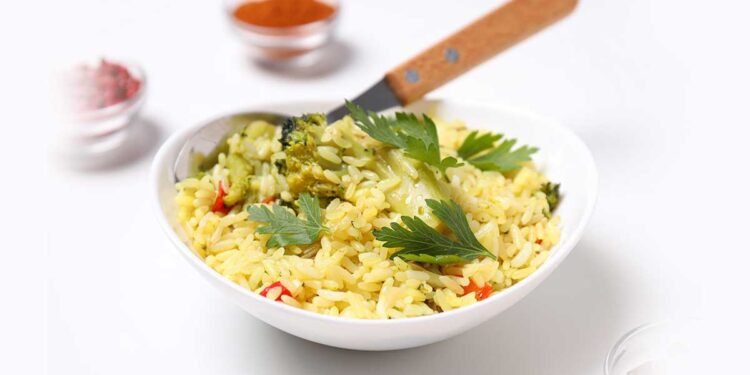

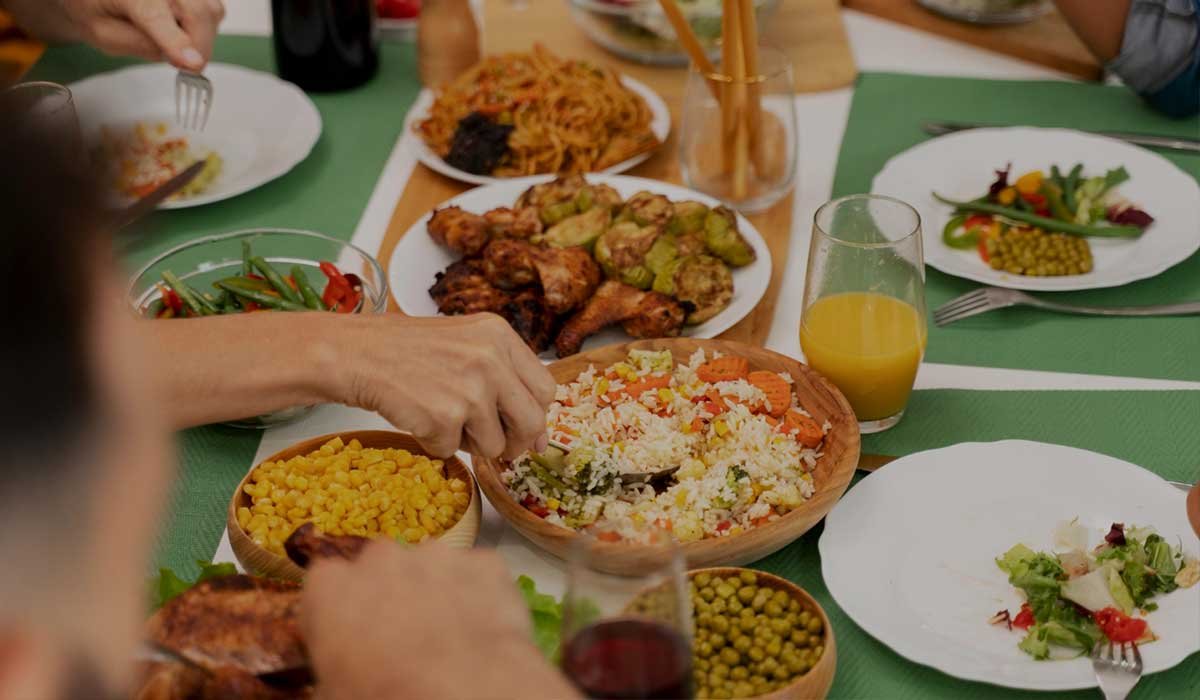
When it comes to weight loss, many people focus on skipping breakfast, counting calories, or trying the latest diet trend. But what if the biggest change you need isn’t what you eat all day-but how you eat dinner?
For many Indian families in New Zealand, dinner is the largest meal of the day. Rich curries, multiple rotis, rice, sweets, and late-night snacks often become part of the evening routine. While these meals bring comfort and family togetherness, they can also make weight management more difficult.
The good news? You don’t need to give up Indian food. A simple evening habit can make a meaningful difference over time.
Related Post

Why Dinner Matters More Than You Think
Your body naturally slows down as the evening approaches. After dinner, most people spend less time being active before going to bed. Eating a heavy meal late at night means your body has less opportunity to use that energy.
Many health experts suggest that consistent meal timing and lighter evening meals may help with:
- Better digestion
- Improved sleep quality
- Reduced unnecessary snacking
- Better portion control
- Healthy weight management over time
The goal isn’t eating less-it’s eating smarter.
The One Evening Habit
Finish Dinner 2–3 Hours Before Bed
This simple habit can be easier to maintain than following restrictive diets.
Instead of eating dinner at 9:30 or 10:00 pm, aim to eat between 6:30 and 7:30 pm whenever possible.
This gives your digestive system time to process your meal before sleep and may help reduce late-night cravings.
Build a Balanced Indian Dinner
A healthy Indian dinner doesn’t have to be boring.
A balanced plate could include:
- Half the plate filled with vegetables
- One or two whole wheat rotis or a small serving of brown rice
- Dal, rajma, chana, grilled paneer, fish, or lean chicken for protein
- Fresh salad or cucumber raita
- Plenty of water
You can still enjoy your favourite flavours while making your meal more filling and nutritious.
Avoid These Common Dinner Mistakes
Many people unknowingly consume extra calories in the evening.
Try limiting:
- Large portions of white rice
- Fried snacks before dinner
- Sugary desserts every night
- Sweetened drinks
- Eating while watching television, which often leads to overeating
Being mindful during meals can naturally help reduce excess eating.
Don't Skip Dinner
Skipping dinner might sound like a shortcut to weight loss, but it often backfires.
Many people who skip dinner end up:
- Feeling extremely hungry later
- Snacking late at night
- Eating larger breakfasts the next morning
- Struggling with energy levels
A balanced dinner is usually a better long-term approach than avoiding the meal altogether.
Add a 15-Minute Walk
One of the easiest habits to pair with an early dinner is a short walk.
Even a gentle 15–20 minute walk after eating can:
- Support digestion
- Encourage daily movement
- Reduce long periods of sitting
- Help establish a healthy evening routine
You don’t need an intense workout to build healthier habits.
Smart Indian Dinner Ideas
Here are a few nutritious options:
Monday
Dal, mixed vegetable sabzi, one whole wheat roti, salad
Tuesday
Grilled chicken with sautéed vegetables
Wednesday
Paneer bhurji with cucumber salad
Thursday
Rajma with a small serving of brown rice
Friday
Fish curry with steamed vegetables
Saturday
Moong dal khichdi with curd
Sunday
Vegetable soup with grilled paneer or tofu
These meals are satisfying while supporting balanced nutrition.
Healthy Habits Matter More Than Perfect Diets
Successful weight management isn’t about avoiding your favourite Indian foods.
Small, sustainable habits often have a greater impact than temporary diets.
Try focusing on:
- Eating dinner earlier
- Controlling portions
- Including more vegetables
- Getting enough protein
- Staying active every day
- Sleeping well
These simple lifestyle changes can be easier to maintain over the long term.
Weight loss doesn’t always require expensive meal plans or extreme diets.
Sometimes, the biggest improvement comes from changing one daily habit.
If you’re looking for a practical and realistic way to support your health, start by making dinner lighter, balanced, and a little earlier. Combined with regular physical activity and mindful eating, this simple routine may help you feel healthier, more energetic, and support gradual weight management over time.
Remember, lasting results come from consistent habits-not quick fixes.
FAQs:
What is the best Indian dinner for weight loss?
A balanced meal with vegetables, whole grains, and protein such as dal, paneer, fish, or grilled chicken is a healthy choice.
Is eating dinner early good for weight loss?
Eating dinner two to three hours before bedtime may support digestion and help reduce late-night snacking.
Should I stop eating rice to lose weight?
No. Rice can be part of a healthy diet when eaten in appropriate portions alongside vegetables and protein.
Can I lose weight without dieting?
Many people achieve gradual weight management by improving eating habits, increasing physical activity, getting enough sleep, and maintaining consistent routines rather than following restrictive diets.
Disclaimer: This article is for general educational and informational purposes only. It is not medical advice. Individual nutritional needs vary, and anyone with health conditions or specific dietary requirements should consult a qualified healthcare professional or registered dietitian before making significant changes to their diet or lifestyle.
Explore more Health & Wellbeing articles to discover practical nutrition, fitness, and wellness tips for everyday living.