Can one of India’s most loved foods actually support your weight loss goals? The answer may surprise you.
When people begin a weight loss journey, they often assume they need to give up their favourite foods. For many Indians, paneer is one of the first items to be questioned. It’s rich, creamy, satisfying-and often considered too indulgent for a healthy diet.
But nutrition experts and growing research suggest a different perspective. When eaten in moderation and prepared in healthier ways, paneer can be a valuable addition to a balanced weight loss plan. Packed with protein, essential nutrients, and healthy fats, it may help keep you full for longer while supporting muscle health and reducing unnecessary snacking.
For Indian families in New Zealand and around the world, this is encouraging news. Rather than eliminating traditional foods, the focus can shift toward making smarter choices and enjoying familiar meals in healthier portions.
Why Paneer Deserves a Place on Your Plate
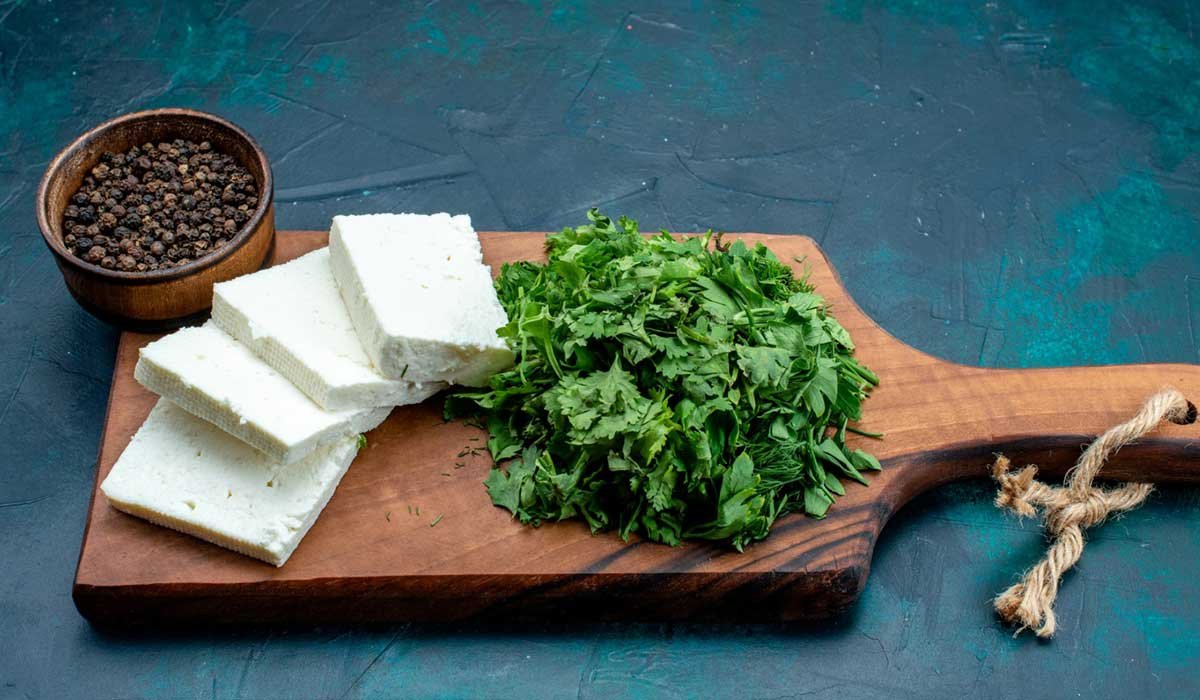
Paneer is a fresh cheese made from milk and has been a staple in Indian kitchens for generations. Unlike highly processed snacks or sugary foods, paneer provides quality nutrition in every serving.
One of its greatest strengths is its high protein content. Protein plays a crucial role in repairing muscles, maintaining strength, and helping people feel satisfied after meals. Feeling full for longer often means fewer cravings and less temptation to reach for unhealthy snacks.
Paneer also contains calcium, phosphorus, vitamin B12, and healthy fats, making it a nutrient-dense food rather than an empty-calorie option.
Protein: The Key to Staying Full
One of the biggest challenges during weight loss is managing hunger.
Many people reduce their calorie intake but continue eating foods that are low in protein. As a result, they feel hungry soon after eating and are more likely to overeat later in the day.
Protein helps increase satiety, meaning you stay fuller for longer. Including paneer in lunch or dinner may help reduce unnecessary snacking between meals.
Instead of focusing only on eating less, many nutritionists now encourage eating foods that provide better nutritional value-and paneer fits well into that approach.
Healthy Fats Are Not the Enemy
For years, fat was blamed as the main cause of weight gain. Today, experts understand that not all fats are harmful.
Paneer contains natural milk fats that, when consumed in moderation, can form part of a healthy eating pattern. These fats contribute to satisfaction after meals, making it easier to avoid processed snacks and sugary treats.
The important point is portion control. Even nutritious foods should be enjoyed in balanced quantities.
Muscle Matters During Weight Loss
Many people focus only on losing weight, but preserving muscle mass is equally important.
When losing weight too quickly or eating very little protein, the body may lose muscle along with fat. This can slow metabolism over time.
Because paneer is rich in protein, it supports muscle maintenance, especially when combined with regular physical activity such as walking, strength training, or yoga.
A healthy body is not simply about weighing less-it’s about becoming stronger and healthier.
Low in Carbohydrates, High in Nutrition
Paneer naturally contains very few carbohydrates, making it a popular option among people following lower-carbohydrate eating plans.
While carbohydrates are an important energy source, replacing highly refined carbs with protein-rich foods can help some people better manage their appetite and blood sugar levels.
That doesn’t mean avoiding carbohydrates completely. Instead, pairing paneer with whole grains, vegetables, and salads creates a balanced and satisfying meal.