For years, one question has followed WhatsApp wherever it went:
For years, WhatsApp has been one of the world’s most trusted messaging apps, connecting billions of people across countries, cultures, and communities. Yet one thing has always remained the same-you needed to share your phone number before someone could start a conversation with you.
That long-standing approach is finally changing.
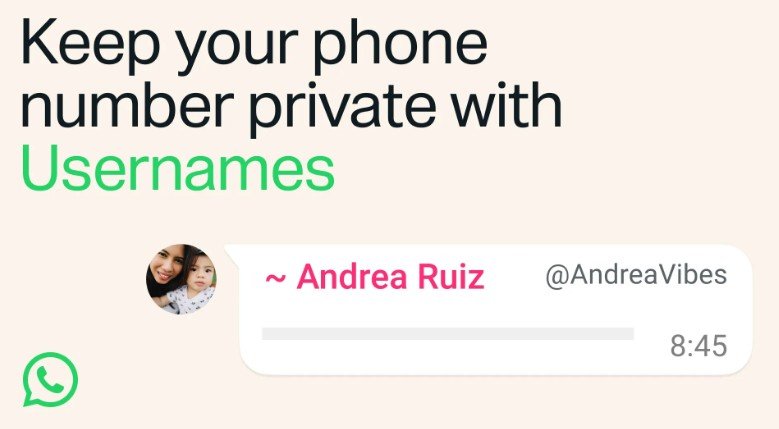
WhatsApp is introducing a new username feature, allowing users to communicate without immediately revealing their personal mobile numbers. While your phone number will still be required to create and verify your account, the new system offers an additional layer of privacy when connecting with new people.
It may sound like a small update, but in today’s digital world, where privacy has become increasingly valuable, this could be one of WhatsApp’s most meaningful improvements in recent years.
Why This Update Matters More Than Ever
Our phone numbers are no longer just contact details.
Today, they’re linked to banking apps, online shopping, government services, work accounts, social media profiles, and two-factor authentication. Sharing your number with someone new often means sharing more personal information than many people realise.
Whether you’re selling something online, joining a community group, speaking with a potential client, or networking at an event, exchanging phone numbers has become almost unavoidable.
The new username feature offers an alternative.
Instead of giving out your personal number, users will be able to share a unique username, making first-time conversations feel more comfortable while helping protect personal information.
It’s a practical solution to a problem many users have quietly accepted for years.
A Step Towards Better Digital Privacy
Privacy is becoming one of the biggest priorities for internet users.
People are thinking more carefully about who can contact them, how much personal information they share, and how they manage their digital identities.
WhatsApp’s latest update reflects that shift.
By allowing usernames to become the public way people connect, users gain greater control over their personal information without changing the familiar messaging experience they’ve relied on for years.
Rather than replacing phone numbers entirely, usernames simply create another option—one that puts privacy first.
How the Username System Will Work
Once the feature becomes available, users will be able to choose a unique username connected to their WhatsApp account.
Instead of sharing a mobile number, they can simply provide their username when someone wants to contact them.
The phone number remains securely linked to the account behind the scenes, but it doesn’t need to be visible during every new interaction.
For existing chats, nothing changes.
Your current conversations, contacts, groups, and messages continue exactly as they are today.
The update mainly affects how new conversations begin.
Good News for Professionals, Freelancers and Small Businesses
The introduction of usernames isn’t only about personal privacy.
It could also make WhatsApp a more professional communication platform.
Imagine being a freelance designer, photographer, tutor, consultant, or small business owner.
Instead of displaying a personal phone number on your website or social media pages, you could simply share your WhatsApp username.
Customers can reach you easily while your personal number stays protected.
For businesses trying to build trust online, this creates a cleaner and more professional identity.
A Better Experience for Students and Migrants
This update may be especially useful for international students and migrant communities.
Moving to a new country often means joining local WhatsApp groups, meeting landlords, connecting with employers, finding accommodation, or participating in cultural organisations.
Many people hesitate to share personal contact details with strangers immediately.
A username offers a more comfortable way to introduce yourself while maintaining control over your privacy.
For communities like Kiwi Indians, where WhatsApp plays an important role in everyday communication, this feature could make online interactions feel significantly safer.
A Small Change That Could Have a Big Impact
From an editorial perspective, this feels like one of those updates that users have wanted for a long time but never expected to arrive.
Phone numbers have become part of our digital identity, yet we’ve had very little control over who gets access to them.
The ability to start conversations without immediately sharing that information is a welcome change.
It won’t eliminate online scams or unwanted messages overnight, but it does give users one more layer of protection.
In an era where digital privacy is becoming increasingly important, giving people more choice is almost always a positive step.
Technology should make communication easier-not force people to share more personal information than necessary.
This update moves WhatsApp closer to that goal.