For years, rice has been unfairly blamed for weight gain. Many people trying to lose weight immediately remove rice from their meals, believing it is the biggest obstacle to achieving a healthier body. But is rice really the problem?
Nutrition experts increasingly agree that rice itself is not the enemy. Instead, the overall composition of your plate, portion sizes, lifestyle habits, and food choices throughout the day play a much bigger role in managing weight.
Whether you enjoy white rice, brown rice, jasmine rice, or basmati rice, the key to maintaining a healthy weight is understanding how rice fits into a balanced diet rather than avoiding it altogether.
Related Post
Why Rice Gets a Bad Reputation
Rice is a carbohydrate, and carbohydrates are often misunderstood.
Because carbohydrates provide energy, many people assume eating them automatically leads to weight gain. In reality, carbohydrates are one of the body’s primary energy sources and are essential for normal brain function, physical activity, and overall health.
Weight gain occurs when total calorie intake consistently exceeds the body’s energy needs, not because of one particular food.
Rice has become an easy target simply because it is a staple food in many cultures, especially across Asia.
Rice Is a Staple Food Around the World
More than half of the world’s population relies on rice as a daily food source.
Countries with high rice consumption have millions of people living healthy, active lives. This demonstrates that rice alone does not determine body weight.
Instead, factors such as:
- Physical activity
- Sleep quality
- Stress levels
- Portion sizes
- Processed food intake
- Sugary drinks
- Overall calorie balance
have a much greater impact on long-term health.
Your Plate Matters More Than Rice
One of the biggest mistakes people make is filling most of their plate with rice while eating very little protein or vegetables.
A healthier meal focuses on balance.
A balanced plate should include:
- Half the plate with colourful vegetables
- One-quarter lean protein such as chicken, fish, lentils, tofu, beans, or eggs
- One-quarter rice or other whole grains
- Healthy fats in moderation
This combination provides fibre, protein, vitamins, minerals, and sustained energy while helping you stay fuller for longer.
White Rice vs Brown Rice
Many people ask whether brown rice is always better than white rice.
Both have nutritional value.
White Rice
- Easy to digest
- Quick source of energy
- Lower in fibre
- Popular in many traditional cuisines
Brown Rice
- Higher in fibre
- Contains more vitamins and minerals
- Helps promote fullness
- May support better blood sugar control
Choosing brown rice can offer additional health benefits, but white rice can still be part of a healthy diet when eaten in appropriate portions.
Portion Size Makes the Biggest Difference
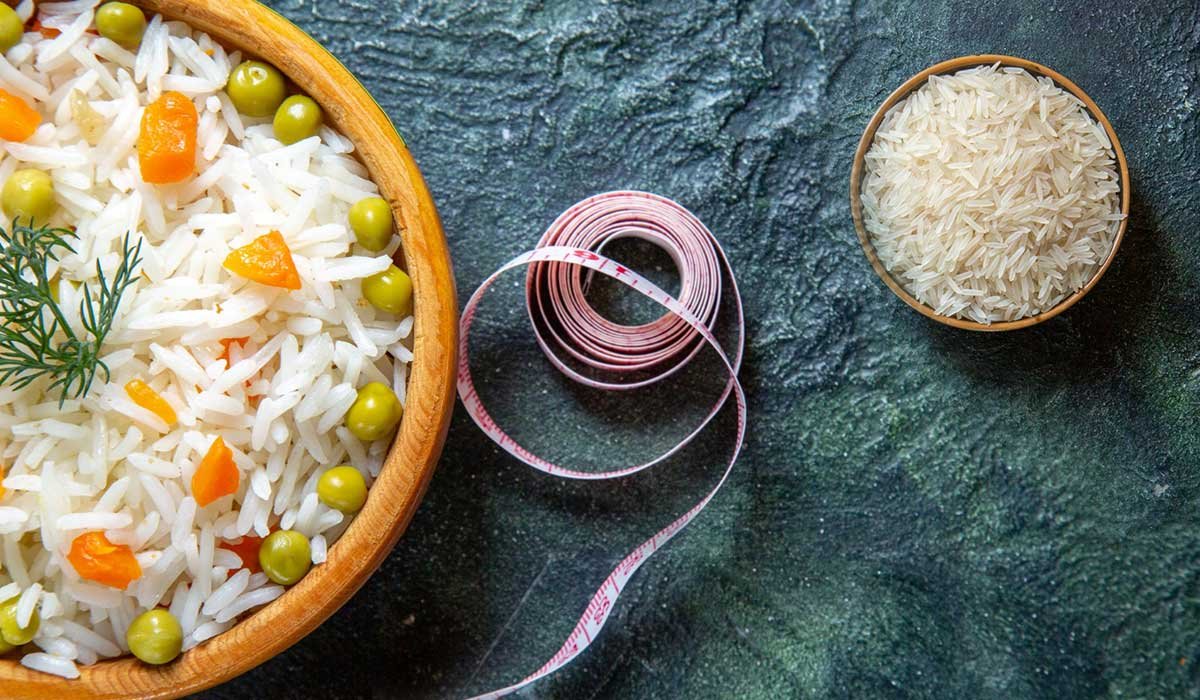
The amount of rice you eat often matters more than the type of rice.
Instead of filling your entire plate with rice, try:
- Using a smaller bowl
- Measuring cooked rice occasionally
- Adding extra vegetables
- Including lean protein
- Eating slowly
Small adjustments can significantly reduce excess calorie intake without eliminating your favourite foods.
Don’t Forget Protein
Protein plays an important role in weight management.
Meals containing protein help:
- Increase satiety
- Reduce hunger
- Preserve muscle during weight loss
- Support metabolism
Instead of reducing rice alone, consider increasing healthy protein sources such as:
- Fish
- Chicken breast
- Eggs
- Greek yogurt
- Lentils
- Chickpeas
- Paneer (in moderation)
- Tofu
Pairing rice with protein creates a more balanced and satisfying meal.
Vegetables Are the Secret Ingredient
Vegetables add bulk to meals without adding many calories.
They are rich in:
- Fibre
- Vitamins
- Minerals
- Antioxidants
Adding salads, steamed vegetables, stir-fried greens, carrots, broccoli, spinach, beans, or capsicum alongside rice helps create a healthier and more filling meal.
Rice Is Not the Only Source of Calories
People often focus on rice while overlooking other foods that contribute more calories, such as:
- Sugary drinks
- Soft drinks
- Desserts
- Fried snacks
- Chips
- Fast food
- Creamy sauces
- Sweetened coffee beverages
Reducing these foods often has a greater impact on weight than removing rice from your diet.
Lifestyle Matters Too
Healthy weight management isn’t just about food.
Regular exercise, good sleep, stress management, and staying hydrated all play important roles.
Simple habits such as walking after meals, strength training, drinking enough water, and getting quality sleep can make a significant difference over time.
Rice has been unfairly labelled as a weight-gain food for years. The evidence suggests that rice itself is not the problem. Instead, the overall balance of your meals, portion sizes, physical activity, and daily lifestyle habits are what truly influence long-term health and weight.
Rather than eliminating rice completely, focus on building balanced plates with vegetables, lean protein, healthy fats, and sensible portions. This approach is easier to maintain, supports better nutrition, and allows you to enjoy the foods you love without unnecessary restrictions.
Healthy eating isn’t about avoiding one ingredient-it’s about creating sustainable habits that nourish your body every day.
Disclaimer: This article is for general informational purposes only and should not be considered medical or nutritional advice. Consult a qualified healthcare professional or registered dietitian for personalised dietary guidance.
Read more health and lifestyle stories, nutrition advice, and sustainable weight loss tips in our Lifestyle & Cultural Views section to help you make healthier choices every day.