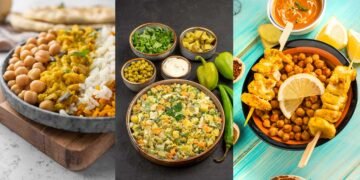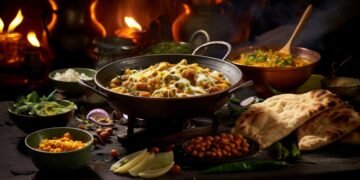

For many Indian households, food is closely connected to family, culture and comfort. From dal and roti to rice, sabzi and curries, traditional meals can be both nourishing and satisfying. But when weight loss becomes the goal, many people feel they need to completely change the way they eat.
The good news is that weight loss does not mean giving up Indian food. Instead, it can be about making smarter choices within the meals you already enjoy.
One simple food that deserves more attention is dahi (Indian-style yoghurt).
Related Post
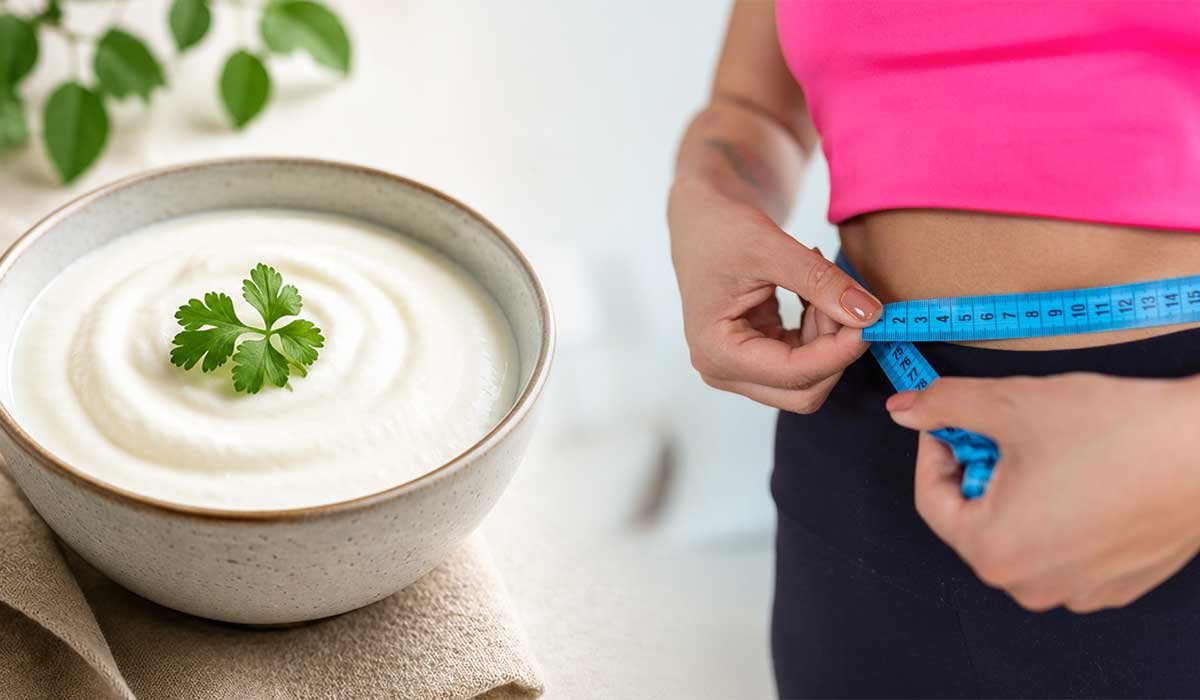
Dahi can be an easy addition to a balanced meal, offering protein and other nutrients while bringing a cooling, creamy element to spicy Indian dishes. When chosen wisely and eaten in sensible portions, it can become a useful part of a weight-conscious eating pattern.
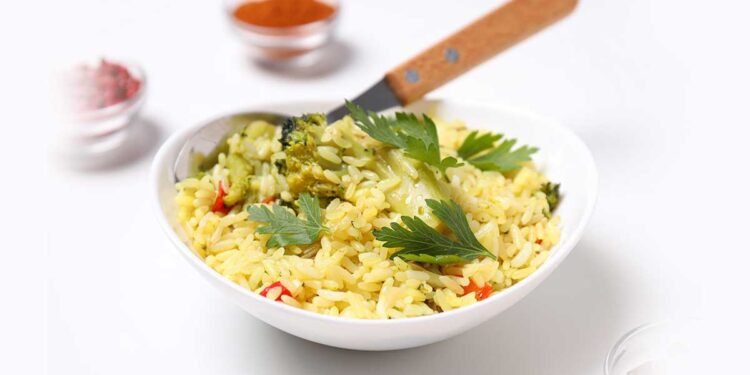
Why Dahi Can Be Helpful for Weight Loss
Weight loss generally comes down to maintaining a sustainable calorie deficit while getting enough nutrients and staying physically active. No individual food can cause weight loss on its own.
However, foods that help make meals more satisfying can make healthy eating easier to maintain.
Dahi can contribute to this because it provides protein, along with nutrients such as calcium. Protein is particularly important because it can help support muscle maintenance and contribute to feelings of fullness.
Instead of viewing dahi as simply a side dish, think of it as one component of a balanced plate.
Dahi and the Indian Meal Plate
A traditional Indian meal can contain several different food groups, but portions can easily become unbalanced.
For example, a plate might contain:
- Rice or roti
- Dal or another lentil dish
- Vegetable sabzi
- Dahi
- Salad
- Pickle or chutney
The goal isn’t necessarily to remove rice or roti. Instead, the overall plate can be adjusted.
A practical approach is to include plenty of vegetables, a good source of protein, a sensible serving of carbohydrates and a portion of dahi.
This allows you to continue enjoying familiar foods while being more mindful of portions and overall energy intake.
Plain Dahi Is Usually the Better Choice
Not all yoghurt products are the same.
For everyday meals, plain, unsweetened dahi is generally a better choice than flavoured yoghurt containing added sugar.
Commercial yoghurt products can vary considerably in their protein, sugar and calorie content, so checking the nutrition label can be useful.
If you’re buying yoghurt in New Zealand, look for options that are:
- Plain and unsweetened
- Higher in protein
- Lower in added sugar
- Suitable for your dietary needs
You can also make dahi at home using milk and a yoghurt starter, giving you greater control over the ingredients.
Dahi Can Make Indian Meals More Satisfying
One of the biggest challenges during weight loss is feeling hungry soon after eating.
A meal built mostly around refined carbohydrates may not keep everyone satisfied for long. Adding protein-rich foods and fibre can help create a more balanced meal.
For example, instead of eating a large bowl of rice with curry alone, you could pair a moderate portion of rice with:
Dal + vegetable curry + salad + dahi
This combination provides carbohydrates, protein, vegetables and dairy in one meal.
Similarly, two rotis can be paired with vegetable sabzi, dal and dahi rather than increasing the number of rotis simply because the meal feels incomplete.
The idea is not to make food restrictive. It’s to make the meal more balanced.
Try Dahi in These Indian-Inspired Meals
Dahi is surprisingly versatile and doesn’t have to be eaten plain.
1. Dahi with Roti and Sabzi
A small bowl of plain dahi can complement a vegetable-based meal beautifully. It can also help balance spicy flavours.
2. Raita
Raita can be an excellent way to add vegetables to your meal.
Try cucumber, carrot, tomato or mint with plain dahi and simple spices.
Be mindful of how much salt and additional ingredients you add.
3. Dahi with Dal and Rice
If rice is part of your regular diet, you don’t necessarily need to eliminate it.
A moderate serving of rice with dal, vegetables and dahi can create a more balanced meal.
4. Dahi as a Snack
Instead of reaching for a highly processed snack, plain dahi topped with a small amount of fruit can make a convenient option.
If you’re watching your calorie intake, keep additions such as nuts, seeds and dried fruit portion-controlled because they can be energy-dense.
What About Full-Fat vs Low-Fat Dahi?
This is where individual needs matter.
Full-fat dahi isn’t automatically unhealthy, but it contains more calories than low-fat varieties. If you’re trying to reduce your overall calorie intake, a lower-fat option may make it easier to manage portions.
However, the best choice depends on your overall diet, preferences and nutritional needs.
The key is not to label one type of yoghurt as universally “good” or “bad.” Instead, consider the whole meal and your overall eating pattern.
Don’t Turn Dahi Into a Dessert
Dahi itself can be nutritious, but what you add to it matters.
Adding large amounts of sugar, honey, sweetened cereals or sugary syrups can significantly increase the calorie content.
For a naturally sweeter option, consider adding:
- Fresh berries
- Apple
- Banana in a modest portion
- Cinnamon
- A few nuts or seeds
The emphasis should remain on moderation.
Weight Loss Doesn't Require Giving Up Rice or Roti
One of the most common misconceptions about Indian diets and weight loss is that rice, roti or traditional curries must completely disappear.
That’s rarely necessary for most people.
Instead, consider portion control and meal balance.
A simple plate could look like:
½ plate: Vegetables or salad
¼ plate: Protein such as dal, beans, paneer, eggs, chicken or fish
¼ plate: Rice or roti
Side: Plain dahi
The exact proportions don’t have to be perfect at every meal. The bigger goal is developing a sustainable pattern that you can continue for months rather than following an extremely restrictive diet for a few weeks.
Dahi Is Not a Magic Weight-Loss Food
It’s important to keep expectations realistic.
Eating dahi every day won’t automatically cause weight loss.
Weight management is influenced by several factors, including:
- Overall calorie intake
- Food quality and portion sizes
- Physical activity
- Sleep
- Stress
- Individual health factors
- Consistency over time
Dahi can be part of the solution because it can contribute protein and nutrients to a balanced meal, but it shouldn’t be treated as a miracle food.
Small Changes Can Make Indian Food More Weight-Friendly
You don’t have to completely redesign your kitchen to eat for better health.
Instead, try making small changes.
Instead of: Large portions of rice
Try: A moderate rice serving with more vegetables and dal.
Instead of: Sugary yoghurt
Try: Plain dahi with fresh fruit.
Instead of: Deep-fried snacks every day
Try: Roasted, steamed or air-fried alternatives more often.
Instead of: Heavy creamy gravies frequently
Try: More vegetable-, tomato- or lentil-based curries.
Instead of: Eating quickly
Try: Slowing down and paying attention to fullness.
These changes can help you continue enjoying Indian food without making weight loss feel like a punishment.
The Bigger Picture: Eat Food You Can Live With
The most successful approach to weight management is often the one that fits realistically into your lifestyle.
For people who grew up eating Indian food, removing familiar dishes completely can make a diet difficult to maintain. A better approach may be to modify portions, cooking methods and meal combinations while keeping the flavours and foods you enjoy.
That’s where something as simple as dahi can fit in.
A bowl of plain dahi alongside dal, vegetables, roti or rice may not look like a revolutionary weight-loss strategy – but sustainable health is often built through small, repeatable choices.
Dahi deserves a place on the weight-loss plate not because it is a magic food, but because it can be a practical, nutritious part of a balanced Indian meal.
For anyone trying to lose weight without giving up the food they love, the answer may not be eliminating Indian cuisine. It may be learning how to balance it.
So keep the dal. Keep the sabzi. Keep your roti or rice in sensible portions. And yes — keep the dahi too.
Health Disclaimer: This article is for general information only and is not medical or dietary advice. Individual nutritional needs vary. If you have a medical condition, food intolerance or specific weight-management goals, speak with a qualified healthcare professional or registered dietitian.
FAQs
Is dahi good for weight loss?
Plain, unsweetened dahi can be part of a weight-loss-friendly diet because it provides protein and nutrients such as calcium. However, weight loss depends on your overall diet, activity levels and calorie intake.
Can I eat dahi every day while trying to lose weight?
Yes. For most people, plain dahi can be included regularly as part of a balanced diet. Portion size and the type of dahi you choose are important.
Should I choose low-fat or full-fat dahi for weight loss?
Both can fit into a healthy diet. Low-fat dahi may make it easier to reduce overall calorie intake, while full-fat dahi can also be nutritious when eaten in appropriate portions.
Can I eat dahi with rice and still lose weight?
Yes. You don't necessarily need to eliminate rice to lose weight. A moderate portion of rice combined with dal, vegetables and plain dahi can make a balanced meal.
Is sweetened yoghurt good for weight loss?
Plain, unsweetened dahi is generally a better everyday choice because some flavoured yoghurts can contain significant amounts of added sugar. Check the nutrition label when choosing packaged yoghurt.