A powerful earthquake has struck Japan’s Kumamoto Prefecture, triggering one of the country’s largest emergency rescue operations in recent years. Rescue workers, firefighters, police, and members of Japan’s Self-Defense Forces are working around the clock to locate survivors trapped beneath collapsed buildings while authorities continue to assess the full extent of the destruction.
The strong earthquake shook southern Japan with intense force, damaging homes, businesses, roads, rail infrastructure, and public facilities. Although Japan is widely recognized for its advanced earthquake-resistant construction and disaster preparedness, the severity of this quake still resulted in significant loss of life and widespread disruption.
Rescue Operation Enters Critical Phase
Emergency responders describe the first 72 hours following a major earthquake as the most crucial period for locating survivors.
Related Post
Thousands of rescue personnel have been deployed across affected communities. Specialized search-and-rescue teams, heavy machinery, helicopters, and trained rescue dogs are being used to search collapsed structures where people may still be trapped.
Japanese government officials stated that every available resource is being directed toward rescue efforts, emphasizing that saving lives remains the highest priority.
Casualties Continue to Increase
Authorities have confirmed multiple fatalities, while many others have suffered injuries ranging from minor wounds to critical conditions.
Several people remain missing as rescue teams continue operations in severely damaged locations, including collapsed buildings and industrial facilities. Officials caution that casualty figures may change as access improves to the hardest-hit areas.
Hospitals across Kumamoto have activated emergency response plans to accommodate the growing number of injured residents.
Buildings, Roads and Infrastructure Damaged
The earthquake caused substantial structural damage across parts of Kumamoto Prefecture.
Reports indicate:
- Residential buildings collapsed.
- Commercial properties suffered major damage.
- Roads developed large cracks.
- Bridges sustained structural damage.
- Rail services were suspended.
- Airport operations experienced disruptions.
- Electricity and water supplies were interrupted in thousands of households.
Several manufacturing facilities temporarily suspended production while engineers inspected buildings for safety.
Shopping Mall Among Worst-Hit Locations
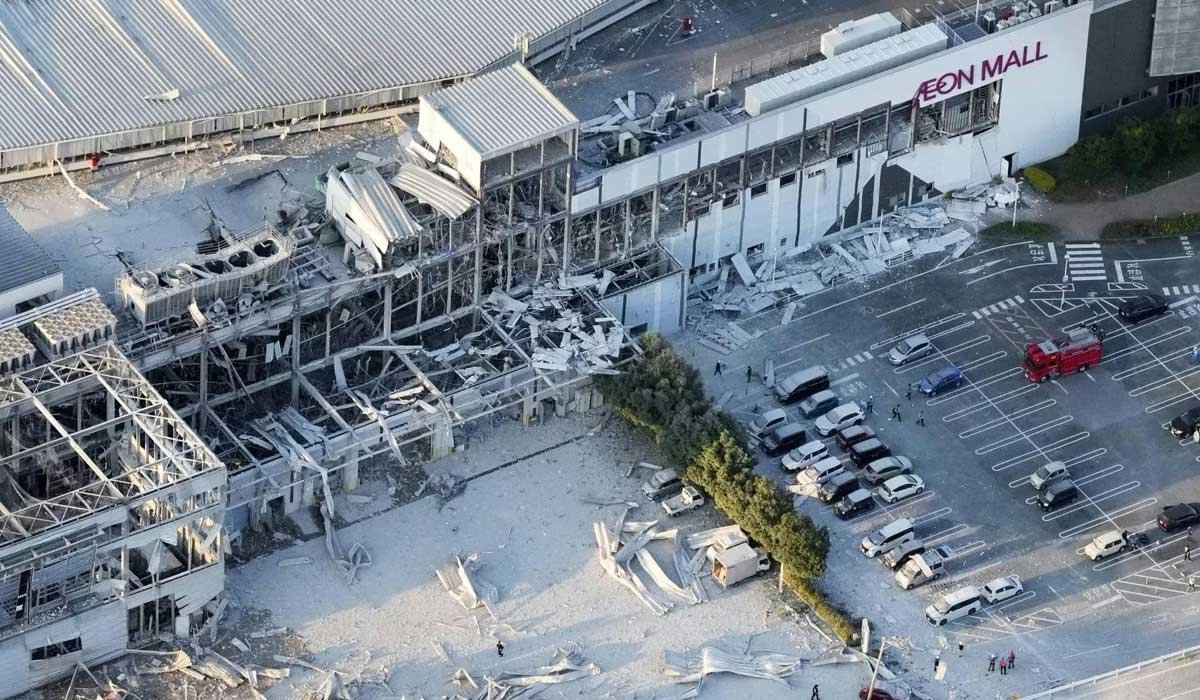
One of the most heavily affected sites was a shopping complex where sections of the building collapsed during or shortly after the earthquake.
Emergency crews spent hours searching the debris after reports that people had been trapped inside. Rescue operations continued throughout the night using cranes, excavation equipment, thermal cameras, and specialized search equipment.
Authorities continue investigating the circumstances surrounding damage at the site.
Aftershocks Keep Residents on Alert
Following the main earthquake, dozens of aftershocks have been recorded.
Experts warn that additional tremors remain possible over the coming days. Residents have been advised to:
- Stay away from damaged buildings.
- Prepare emergency supplies.
- Follow evacuation instructions.
- Monitor official emergency updates.
- Be cautious of landslides in vulnerable areas.
These aftershocks increase the risks faced by both survivors and emergency responders working in unstable structures.
Japan's Disaster Preparedness Reduces Greater Loss
Japan is among the world’s most earthquake-prone countries and has invested heavily in disaster preparedness over several decades.
Modern building regulations, nationwide earthquake early-warning systems, public evacuation drills, and rapid emergency response capabilities helped reduce what could have been an even greater disaster.
Despite these measures, earthquakes of this magnitude can still cause severe damage, especially when they occur near populated areas.
Transport Services Affected
Transportation networks experienced significant disruption following the earthquake.
Several railway services were suspended while engineers inspected tracks and bridges for damage. Airport operations were also temporarily interrupted, and some highways were closed due to cracks, debris, and safety inspections.
Authorities are gradually restoring services as safety assessments continue.
Communities Rally Together
Local communities have opened emergency shelters for displaced residents.
Volunteers, relief organizations, and government agencies are distributing drinking water, food, blankets, medical supplies, and other essentials to affected families. Emergency shelters continue receiving people whose homes have become unsafe due to structural damage or ongoing aftershocks.
Global Support and Concern
Leaders and governments around the world have expressed sympathy for the victims and support for Japan’s ongoing rescue efforts.
International organizations continue monitoring the situation as Japanese authorities focus on rescue, relief, and early recovery operations.

FAQs
Where did the earthquake occur?
The earthquake struck Japan's Kumamoto Prefecture on the southern island of Kyushu.
Are rescue operations still underway?
Yes. Emergency responders continue searching for missing people and assisting affected communities.
Why are aftershocks dangerous?
Aftershocks can weaken already damaged buildings, trigger landslides, and complicate rescue efforts.
How is Japan responding?
Japan has deployed emergency services, Self-Defense Forces, medical teams, and disaster response personnel while opening shelters and restoring essential services.
Disclaimer: This article is based on information available from official authorities and trusted news reports at the time of publication. The situation may evolve as rescue operations continue and additional updates become available.
Explore more Global News for the latest international developments.