Series: Weight Loss Without Giving Up Indian Food
For many Indian households, breakfast is incomplete without something warm, filling and familiar. Poha is one of those foods that has remained popular across generations — from a quick weekday breakfast to a simple meal enjoyed with family.
But if you are trying to lose weight, you may wonder: Can poha really be part of a healthy weight-loss diet?
The short answer is yes — when prepared thoughtfully and eaten in the right portion.
Related Post
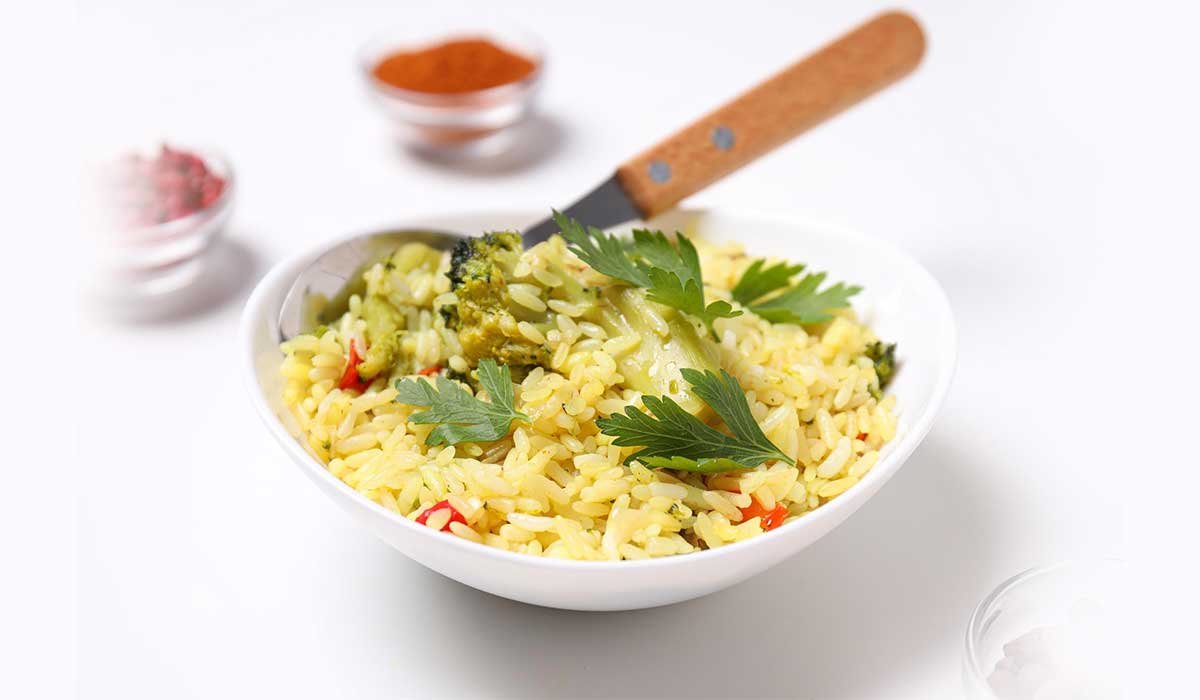
Poha, also known as flattened rice or beaten rice, can provide carbohydrates for energy while allowing plenty of room for vegetables, protein and other nutritious ingredients. However, the way it is prepared can make a significant difference to how filling and calorie-dense the final meal becomes.
What Makes Poha a Popular Breakfast?
Poha is made from rice that has been flattened into thin flakes. It is generally quick to prepare and can be combined with ingredients such as onions, peas, carrots, potatoes, coriander, peanuts, lemon and spices.
Its popularity comes from its simplicity.
For busy mornings, poha can be prepared relatively quickly without requiring complicated ingredients. It is also versatile enough to suit different regional tastes and family preferences.
For someone trying to lose weight, that flexibility can be useful because healthy eating does not necessarily mean completely changing the foods you already enjoy.
Can Poha Help With Weight Loss?
Poha itself is not a weight-loss food in the sense that it automatically causes fat loss.
Weight loss generally depends on maintaining an appropriate calorie deficit over time. That means the overall quantity and quality of food you eat matter more than simply choosing one particular ingredient.
However, poha can fit comfortably into a weight-loss eating pattern.
A basic serving of poha can be relatively light, and you can improve its nutritional profile by adding vegetables and a source of protein.
The key is to move beyond thinking:
“Is poha good or bad for weight loss?”
A better question is:
“How can I prepare poha so that it keeps me satisfied without adding unnecessary calories?”
The Real Advantage: You Can Build a Balanced Bowl
One of poha’s biggest advantages is that it works well as a base for a more balanced breakfast.
Instead of relying mainly on flattened rice, consider building your plate around four components:
Poha + vegetables + protein + flavour
For example, you could add:
- Peas
- Carrots
- Capsicum
- Beans
- Onions
- Tomatoes
- Fresh coriander
- Lemon juice
- A small amount of peanuts
- Boiled eggs on the side
- Curd or Greek-style yoghurt
- Sprouts
This can turn a simple carbohydrate-based breakfast into a more satisfying meal.
Why Protein Matters
One potential weakness of a traditional bowl of poha is that it may not provide enough protein on its own.
Protein is important during weight loss because it can help support muscle maintenance and contribute to feelings of fullness.
This does not mean you need to completely change your poha recipe.
You could simply pair it with a protein-rich food.
For example:
Poha + boiled egg
or
Poha + plain curd
or
Vegetable poha + sprouts
or
Poha + a small serving of paneer
The best option depends on your dietary preferences.
Don't Let Peanuts Turn a Light Breakfast Into a Heavy One
Peanuts are a common and nutritious addition to poha. They provide protein, healthy fats and texture.
But there is an important point to remember.
Healthy ingredients still contain calories.
Adding a large handful of peanuts, extra oil and other calorie-dense toppings can significantly increase the energy content of your breakfast.
You don’t have to eliminate peanuts.
Instead, use them thoughtfully.
A small amount can provide crunch and flavour without overwhelming the meal.
Watch the Oil
This is another area where a seemingly light breakfast can become considerably more calorie-dense.
Poha is often tempered with oil, mustard seeds, curry leaves and other spices. The spices themselves are not usually the concern; the amount of added oil is more relevant when you’re managing calorie intake.
You don’t need to make completely oil-free poha.
Instead, measure the oil rather than pouring it freely into the pan.
A small amount can be enough to create the flavour you want.
What About Potatoes?
Potatoes are another familiar ingredient in many poha recipes.
If you enjoy potato poha, you don’t necessarily need to remove potatoes completely.
The bigger issue is the overall balance of the meal.
If your bowl contains a large quantity of poha and potatoes but very few vegetables or protein sources, it may be less filling than a more balanced version.
Try using potatoes as one ingredient rather than allowing them to dominate the dish.
Adding peas, carrots, capsicum or other vegetables can increase variety and volume.
Portion Size Still Matters
Even nutritious meals can contribute to weight gain if portions consistently exceed your body’s energy needs.
This is particularly important with foods that are easy to eat quickly.
Instead of automatically filling a large bowl, start with a moderate serving and pay attention to how satisfied you feel.
You can also add more vegetables to increase the volume of the meal without relying entirely on additional poha.
For weight loss, portion awareness can be more useful than completely banning favourite foods.

Poha for Breakfast: A Better Way to Prepare It
If weight loss is your goal, consider these simple adjustments:
1. Add More Vegetables
Increase the amount of vegetables relative to the amount of poha.
This can make the meal more colourful, varied and satisfying.
2. Include Protein
Pair your poha with eggs, curd, sprouts, paneer or another protein source that fits your diet.
3. Measure Your Oil
Use enough oil for cooking and flavour rather than adding it automatically.
4. Keep Peanuts Moderate
Enjoy them for flavour and nutrition, but remember that they are energy-dense.
5. Be Mindful of Portions
A healthy recipe can still become excessive if the serving is much larger than you need.
6. Add Lemon and Fresh Herbs
Lemon juice, coriander, curry leaves and spices can add plenty of flavour without relying heavily on calorie-dense sauces or toppings.
Is Poha Better Than Skipping Breakfast?
Not necessarily for everyone.
There is no universal rule that says everyone must eat breakfast to lose weight. Some people prefer breakfast, while others naturally eat their first meal later.
If you enjoy breakfast and tend to become very hungry later in the morning when you skip it, a balanced poha meal may be a practical option.
The goal is to find an eating pattern that you can maintain consistently.
Can You Eat Poha Every Day?
You can include poha regularly if it fits your overall dietary needs, but variety is still valuable.
Rotating breakfast options can help you consume a wider range of nutrients.
You might alternate poha with options such as:
- Vegetable upma
- Besan chilla
- Idli with sambar
- Dosa with a protein-rich accompaniment
- Eggs with vegetables
- Oats with yoghurt and fruit
- Moong dal chilla
The objective isn’t to find one magical breakfast.
It is to build a sustainable eating pattern that includes foods you genuinely enjoy.
The Kiwi-Indian Connection
For Kiwi Indians living in New Zealand, maintaining traditional Indian food habits while trying to manage weight can sometimes feel challenging.
Busy work schedules, takeaway meals, social gatherings and changing routines can make healthy eating difficult.
But weight loss does not have to mean abandoning familiar Indian foods.
Poha is a good example of how a traditional meal can be adapted without losing its identity.
You can still enjoy the familiar flavours of mustard seeds, curry leaves, coriander, lemon and spices while making small changes to portions, vegetables, protein and cooking methods.
Healthy eating can be about adapting familiar food rather than replacing it completely.
FAQs
Is poha good for weight loss?
Poha can be included in a weight-loss diet when portion sizes are appropriate and the meal is balanced with vegetables and protein. Weight loss ultimately depends on overall calorie intake and lifestyle rather than one particular food.
Can I eat poha every morning while trying to lose weight?
You can, but variety is useful. If you enjoy poha, focus on balanced preparation and appropriate portions while also including other nutritious breakfast options throughout the week.
Does adding peanuts make poha unhealthy?
No. Peanuts provide protein and healthy fats, but they are also relatively calorie-dense. Using a moderate amount can provide nutrition and flavour without unnecessarily increasing calories.
What can I add to poha for more protein?
Depending on your dietary preferences, you can pair poha with eggs, curd, Greek-style yoghurt, sprouts or paneer. Adding a protein source can make the breakfast more satisfying.
Is potato poha suitable for weight loss?
Potato poha can still fit into a weight-loss eating pattern. The important factors are portion size, the amount of potato, added oil and the overall balance of the meal.
Disclaimer: This article is for general information only and does not replace personalised medical or nutritional advice. Individual dietary needs can vary.
Explore NZ Indian Insights’ Health & Wellbeing section for practical articles covering healthy living, nutrition, family wellbeing and everyday health topics.