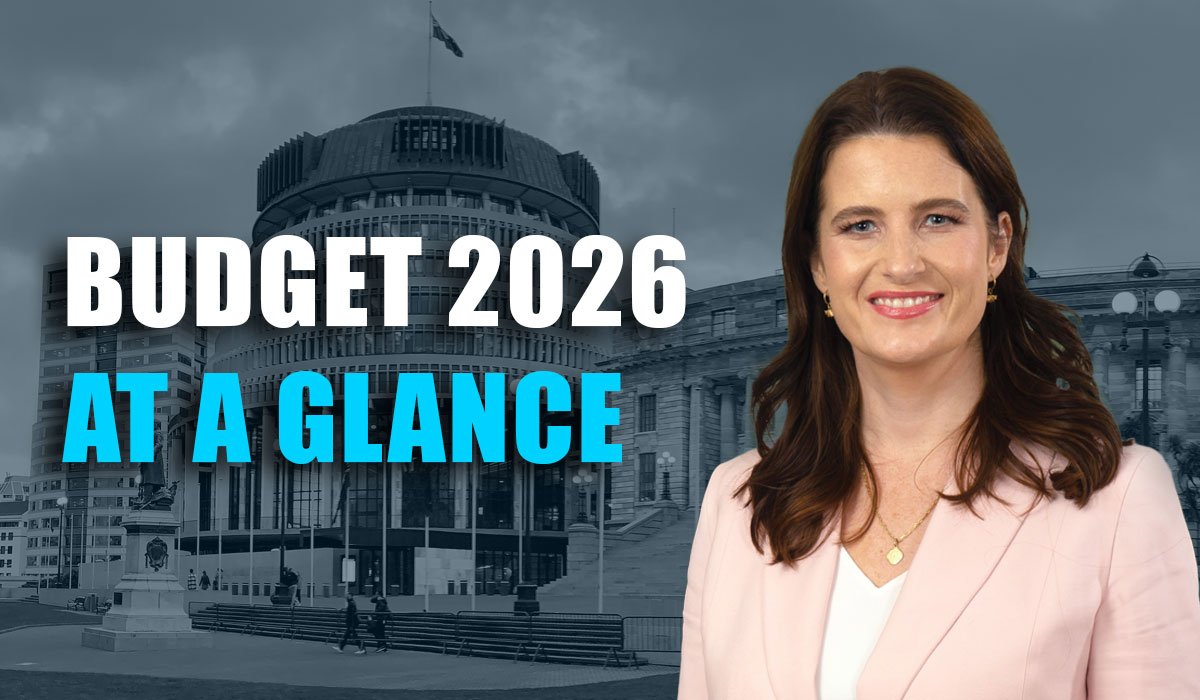
New Zealand’s Budget 2026 has finally arrived, and unlike previous years filled with bold promises and election-style giveaways, this year’s Budget feels more cautious, practical, and financially controlled.
The Government appears to be sending one clear message: stability matters more than short-term popularity.
With rising global uncertainty, inflation concerns, infrastructure pressure, and growing costs of living, the Budget focuses heavily on essential public services while trying to avoid excessive government spending. For many New Zealanders, this Budget may not feel exciting but it may have been designed that way intentionally.
Related Post
A “Careful Spending” Budget
One of the biggest talking points around Budget 2026 is the Government’s disciplined approach to spending. Instead of major tax cuts or cash incentives, the Budget mainly prioritises areas considered critical for long-term economic strength.
The Government has continued to invest in:
- Public healthcare
- Education
- Infrastructure projects
- Law and order
- Defence and national resilience
At the same time, ministers have repeatedly emphasised the need to reduce unnecessary spending and manage public debt carefully.
For households already struggling with living costs, some people may feel disappointed that there are no dramatic relief packages. However, supporters of the Budget argue that controlling debt and inflation now could help protect the economy in the years ahead.
Health Sector Receives Major Attention
Healthcare remains one of the strongest focus areas in Budget 2026.
Hospitals, frontline medical services, and healthcare infrastructure are receiving additional support as the Government attempts to manage growing pressure on the public health system.
Many New Zealanders have been concerned about long waiting times, staffing shortages, and healthcare access in regional areas. This Budget appears aimed at rebuilding confidence in those essential services.
While critics argue the funding may still not be enough, the Budget clearly recognises healthcare as a priority issue for voters and families across the country.
Education Investment Continues
Education is another key area receiving attention.
Funding is expected to support:
- School upgrades
- Learning support services
- Education infrastructure
- Workforce and teacher support
The Government says improving education outcomes is essential for New Zealand’s long-term productivity and economic growth.
For parents and students, the focus on schools and learning environments is likely to be welcomed. However, some education advocates believe stronger support for tertiary students and cost-of-living assistance could have been included.
Infrastructure Spending Signals Long-Term Planning
One noticeable theme in Budget 2026 is infrastructure investment.
New Zealand has faced increasing pressure on roads, public services, water systems, hospitals, and energy networks. Instead of prioritising short-term political wins, the Government appears focused on projects designed to support the country over the next decade.
This includes investment in:
- Transport infrastructure
- School and hospital upgrades
- Energy resilience
- Public assets
Many economists believe infrastructure spending could help create jobs while also improving long-term economic productivity.

The Economy Still Faces Pressure
Despite the Government’s positive messaging, the economic outlook remains challenging.
Global instability, fuel prices, inflation pressure, and slower economic growth continue to affect New Zealand’s financial direction. Treasury forecasts suggest the country is still navigating a difficult recovery phase.
Interest rates and household expenses remain major concerns for ordinary New Zealanders.
Because of this, Budget 2026 feels less like a “celebration Budget” and more like a balancing act between maintaining services and protecting the country’s financial position.
Public Reaction :
Reaction to the Budget has been divided.
Some New Zealanders support the Government’s cautious approach, believing the country needs financial discipline after years of economic uncertainty.
Others argue that families, renters, students, and low-income households needed stronger immediate support.
Business groups have generally welcomed the infrastructure and productivity focus, while opposition critics say the Budget lacks bold ideas that directly improve everyday affordability.
In reality, Budget 2026 may be remembered less for headline announcements and more for its attempt to steady the economy during uncertain global conditions.
FAQs:
What is the main focus of New Zealand Budget 2026?
New Zealand Budget 2026 mainly focuses on healthcare, education, infrastructure development, and careful government spending to manage economic pressure and public debt.
Does Budget 2026 include cost-of-living support?
While the Budget includes investments in public services, many people believe direct cost-of-living support for households is limited compared to previous years.
Which sectors received the biggest investment in Budget 2026?
Healthcare, education, transport infrastructure, and public services are among the major sectors receiving funding in Budget 2026.
Why is infrastructure spending important in Budget 2026?
Infrastructure investment helps improve roads, hospitals, schools, and public systems while also supporting long-term economic growth and job creation in New Zealand.
How are people reacting to New Zealand Budget 2026?
Public reaction is mixed. Some people support the Government’s cautious financial approach, while others expected stronger support for families and rising living costs.