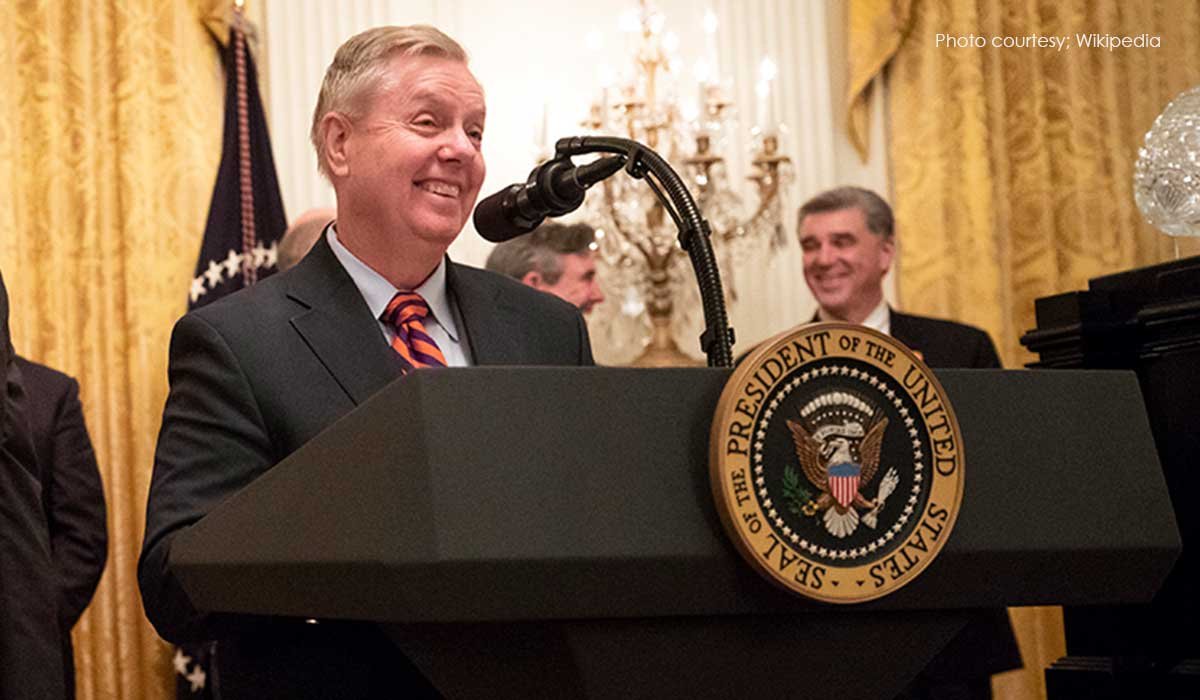
The passing of U.S. Senator Lindsey Graham at the age of 71 marks the end of a political career that influenced American policymaking for more than three decades. Known for his outspoken views on national security, judicial appointments, and foreign affairs, Graham remained one of the Republican Party’s most recognizable figures. His political journey-from a vocal critic of Donald Trump during the 2016 Republican presidential primary to one of Trump’s closest allies-made him one of the most discussed and, at times, controversial lawmakers in Washington.
While supporters viewed Graham as a principled conservative willing to defend America’s global interests, critics often questioned his shifting political alliances and changing positions on major issues. Regardless of political perspective, few would dispute that his influence reached far beyond South Carolina, helping shape debates that defined modern American politics.
A Career Built on Public Service
Born and raised in Central, South Carolina, Lindsey Graham’s early life was marked by personal responsibility and determination. After losing both parents while still a young adult, he assumed responsibility for helping raise his younger sister before pursuing higher education and a career in public service.
Graham earned a law degree before serving as a lawyer in the U.S. Air Force. His military background became a defining part of his political identity, frequently influencing his positions on defence spending, veterans’ affairs, and national security.
His political career began in the U.S. House of Representatives during the mid-1990s before he was elected to the U.S. Senate in 2002. Over the following two decades, he became a senior Republican voice on the Judiciary, Foreign Relations, and Budget Committees, helping shape debates on judicial nominations, immigration, taxation, and international affairs.
From Trump Critic to Trusted Ally
One of the most remarkable chapters of Graham’s political life was his evolving relationship with Donald Trump.
During the 2016 Republican primary campaign, Graham openly criticised Trump’s leadership style and questioned whether he was the right person to lead the Republican Party. His comments at the time reflected the concerns of many establishment Republicans who worried about the direction of the party.
However, after Trump’s election victory, Graham gradually became one of the administration’s most dependable Senate allies. Their partnership proved particularly influential on judicial appointments, defence policy, and foreign affairs.
Even after moments of disagreement-including the aftermath of the January 6 attack on the U.S. Capitol-Graham ultimately remained one of Trump’s strongest supporters in Congress. That transformation became one of the defining stories of modern Republican politics, illustrating how the party itself evolved during the Trump era.
A Hawkish Voice on Global Affairs
If there was one issue that consistently defined Lindsey Graham’s career, it was foreign policy.
Throughout his years in the Senate, he argued that American leadership on the global stage remained essential for international stability. He regularly advocated increased defence spending and supported a strong U.S. military presence overseas.
Graham became one of the Senate’s most vocal supporters of Ukraine following Russia’s invasion, repeatedly calling for continued military assistance and stronger sanctions against Moscow. He also maintained firm support for Israel and frequently urged tougher policies toward Iran.
Supporters described him as a steadfast defender of democratic allies, while critics argued that his approach relied too heavily on military solutions. Regardless of opinion, his voice carried significant weight whenever international crises emerged.
A Polarising Yet Influential Figure
Few politicians managed to generate as much debate as Lindsey Graham.
To many Republicans, he represented experience, loyalty, and a willingness to stand firm during politically difficult moments. His command of Senate procedure and long-standing relationships across Washington often made him an influential negotiator behind closed doors.
Others viewed his changing political alliances as evidence of pragmatism, while critics interpreted them as inconsistency. His shift from opposing Trump to becoming one of the former president’s closest allies remained a frequent topic of discussion throughout his later career.
Such contrasting perspectives explain why Graham’s legacy will likely continue to be debated long after his passing.
What His Death Means for Washington
Graham’s death creates more than an emotional moment for colleagues and supporters. It also carries immediate political consequences.
His absence temporarily narrows the Republican majority in the Senate at a time when lawmakers are preparing to debate major legislative priorities and key executive nominations. Under South Carolina law, Governor Henry McMaster is expected to appoint an interim senator until voters elect a permanent successor through a special election.
Political observers will closely watch how the appointment shapes committee leadership, legislative negotiations, and the Republican Party’s strategy heading into future elections.
Looking Beyond Politics
For many Americans, Lindsey Graham represented more than partisan politics.
He served during an era that witnessed the impeachment of President Bill Clinton, the September 11 terrorist attacks, wars in Afghanistan and Iraq, multiple presidential administrations, and one of the most significant transformations in Republican politics in modern history.
Whether admired or criticised, he remained one of Washington’s most recognisable political figures—someone rarely absent from debates involving foreign policy, national security, judicial nominations, or constitutional issues.
His career reminds us that politics is rarely static. Leaders evolve, parties change, and public expectations shift over time. Graham’s journey reflected those broader changes perhaps more clearly than that of almost any other modern senator.
FAQs