New Zealanders are no strangers to unpredictable weather, but this winter may bring a different kind of challenge. Meteorologists are now warning that a developing El Niño pattern could significantly influence New Zealand’s weather over the coming months. While weather systems change every year, the current signals suggest this winter may become more uneven, with some regions facing heavy rainfall while others experience dry and colder conditions.
From farming communities to city households, many Kiwis are now wondering what this could actually mean in daily life. Will winter become colder? Will there be more storms? Could drought conditions return later in the year?
The growing discussion around El Niño is not just another seasonal forecast. It reflects increasing concern among climate experts about how rapidly global weather patterns are shifting in 2026.
What Is El Niño and Why Does It Matter?
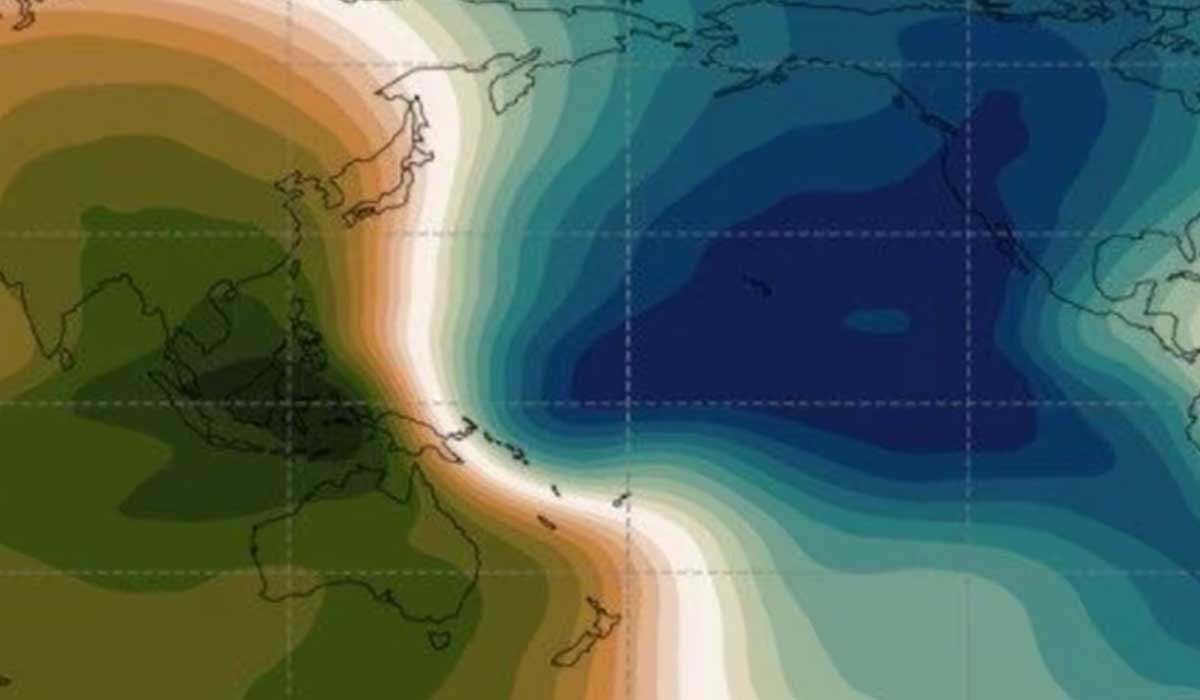
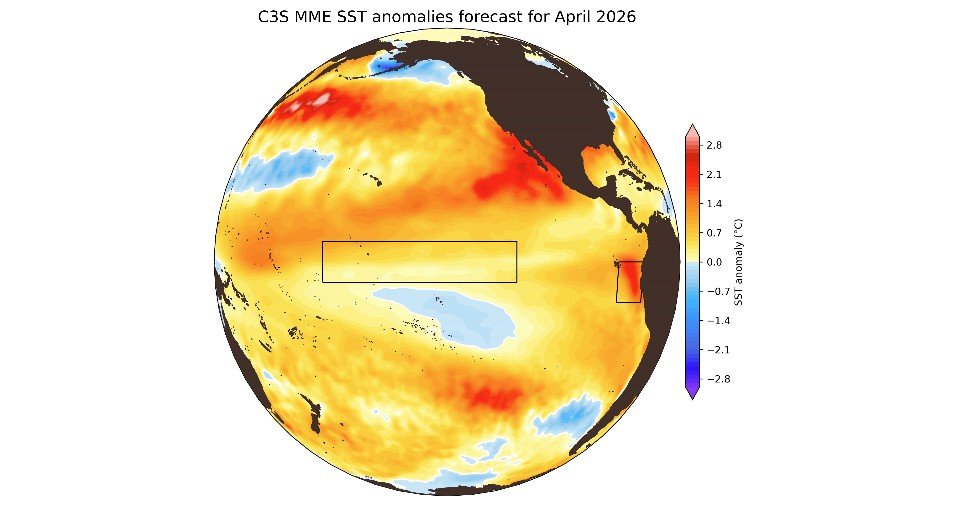
El Niño is part of a larger climate cycle known as the El Niño–Southern Oscillation (ENSO). It occurs when ocean temperatures in the central and eastern Pacific Ocean become warmer than normal. These warmer waters can change wind patterns and rainfall systems across multiple countries, including New Zealand.
Although New Zealand experiences changing weather every winter, El Niño years often create stronger south-westerly winds. These winds can influence rainfall, temperatures, and even storm activity across both islands.
Climate experts monitoring Pacific Ocean conditions say there is now a strong possibility that this developing El Niño event could intensify during spring and continue affecting weather patterns into late 2026.
A Winter of Contrasts Across New Zealand
One of the biggest concerns is how uneven this winter could become across the country.
According to meteorologists, western and southern regions of the South Island may receive increased rainfall, while eastern and northern parts of New Zealand could become noticeably drier than normal.
This creates a worrying contrast.
Some communities may deal with flooding risks and saturated farmland, while others may already begin seeing early signs of moisture shortages before spring even arrives. After several recent extreme weather events in New Zealand, many people are understandably concerned about how prepared local infrastructure really is for another unusual season.
In many ways, this highlights a larger issue. New Zealand’s climate appears to be becoming more extreme, swinging between heavy rainfall and prolonged dry periods much faster than in previous decades.
Could New Zealand Face a Colder Winter?
Interestingly, meteorologists are not predicting a consistently freezing winter nationwide. Instead, experts believe New Zealand may experience short but sharp cold snaps, especially when strong south-westerly systems move across the country.
For inland parts of the South Island, colder air could remain trapped for longer periods, creating frosty mornings and sudden temperature drops.
This kind of weather can often feel more disruptive than a steady cold season because conditions change rapidly. One week may feel relatively mild, while the next could bring severe wind chills and icy conditions.
For many households already facing high electricity costs, these sudden cold periods may place additional pressure on heating expenses during winter.
Farmers Could Face Another Difficult Season
Agriculture may once again become one of the most affected sectors if El Niño strengthens further.
Dry conditions in northern and eastern areas could create pressure on soil moisture levels and pasture growth, particularly heading into spring. Farmers who have already dealt with weather-related uncertainty over recent years may need to prepare early for changing conditions.
At the same time, regions expecting heavier rainfall may face flooding challenges, livestock management issues, and transport disruptions.
For a country where agriculture remains a major part of the economy, weather instability has become more than just a seasonal inconvenience. It directly affects food production, export confidence, and rural communities.
Climate Anxiety Is Becoming More Common
Another important side of this story is the emotional impact.
Extreme weather warnings, flood coverage, and changing seasonal patterns are increasingly affecting how people think about the future. After recent storms and flooding events across New Zealand, many residents are paying closer attention to climate forecasts than ever before.
While El Niño itself is a natural climate cycle, experts worldwide are continuing to study how global warming may intensify weather extremes linked to these systems.
This growing uncertainty is leading more people to prepare earlier for emergencies, stock up on essentials, and rethink how climate events may affect everyday life.
The developing El Niño forecast is another reminder of how connected New Zealand’s weather is to global climate systems. While this winter may not bring nonstop freezing temperatures, it could create an unpredictable mix of dry spells, heavy rain, and sudden cold snaps across different regions.
For many New Zealanders, the conversation is no longer just about whether weather is changing. It is about how communities, businesses, and families can adapt to a future where seasonal extremes may become more common.