
Indian festivals are more than celebrations. They are a connection to family, traditions, spirituality, food, music and the memories of home. For the Indian community living in New Zealand, these occasions offer a special opportunity to celebrate cultural identity while sharing the beauty of Indian traditions with the wider Kiwi community.
Across Aotearoa New Zealand, Kiwi Indians celebrate festivals such as Diwali, Holi, Navratri, Ganesh Chaturthi, Raksha Bandhan, Janmashtami and many regional harvest festivals. Whether through family gatherings, temple visits, cultural performances, traditional meals or community events, these celebrations help keep Indian heritage alive far from the country where many of these traditions began.
For Indian migrants, international students, working professionals and New Zealand-born children of Indian heritage, festivals create a sense of belonging. They remind people of their roots while helping them build meaningful connections in their adopted home.
Related Post




Why Indian Festivals Matter to Kiwi Indians
Moving to another country brings new opportunities, experiences and challenges. However, living away from extended family and familiar surroundings can sometimes make people miss the traditions they grew up with.
Indian festivals help bridge that distance. Lighting diyas during Diwali, preparing sweets for a family gathering or celebrating Holi with friends can bring back memories of childhood and create a comforting connection to home.
For many Kiwi Indians, festivals also provide a chance to introduce their culture to friends, neighbours and colleagues. These celebrations encourage people from different backgrounds to learn about Indian customs, values and regional traditions.
New Zealand’s multicultural environment makes these occasions particularly meaningful. Indian communities can celebrate their heritage while participating in a society that brings together people from many cultures.
Diwali: A Festival of Lights and Togetherness
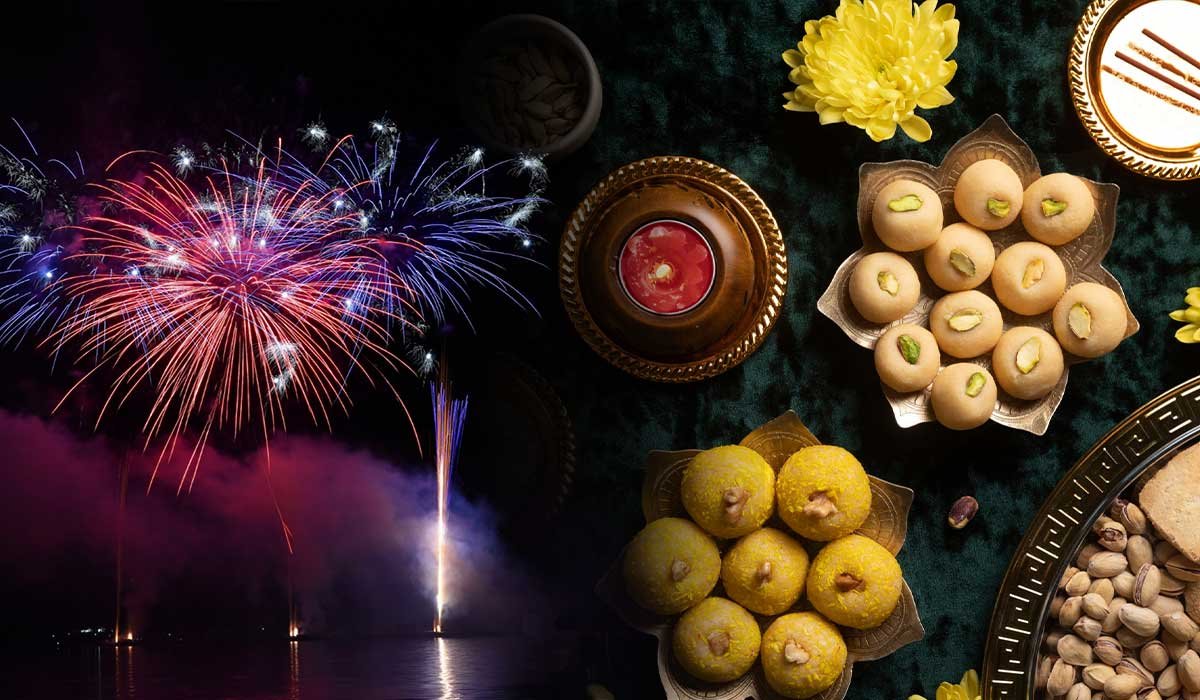
Diwali is one of the most widely celebrated Indian festivals in New Zealand. Families often prepare their homes, decorate entrances with rangoli, light diyas, exchange sweets and spend time with loved ones.
For many households, Diwali begins with cleaning and decorating the home. Families may wear traditional Indian clothing, perform prayers, prepare festive meals and share gifts with relatives and friends.
Community Diwali events can include cultural performances, music, dance, food stalls and activities for children. Such gatherings give people an opportunity to celebrate together, especially those who live far from their extended families.
Diwali also provides a valuable cultural learning experience for children growing up in New Zealand. Parents can explain the festival’s significance, share stories associated with the triumph of light over darkness and teach younger generations why the celebration matters.
For the wider community, Diwali is an opportunity to experience Indian culture through food, performances and shared celebrations.
Holi: Bringing Colour, Friendship and Joy
Holi is famous for its vibrant colours and joyful atmosphere. In New Zealand, Holi celebrations can bring together Indian families, students, friends and people from different cultural backgrounds.
Depending on the event, celebrations may include coloured powder, music, dancing, Indian snacks and family-friendly activities. Organised gatherings offer a chance to meet new people and strengthen community relationships.
For international students and newcomers, Holi can be an especially welcoming occasion. Participating in a cultural celebration helps people make friends and feel connected to a community while adjusting to life in a new country.
Holi also reflects an important message: differences in language, region and background do not prevent people from sharing happiness and friendship.
Navratri and Garba: Keeping Traditional Dance Alive
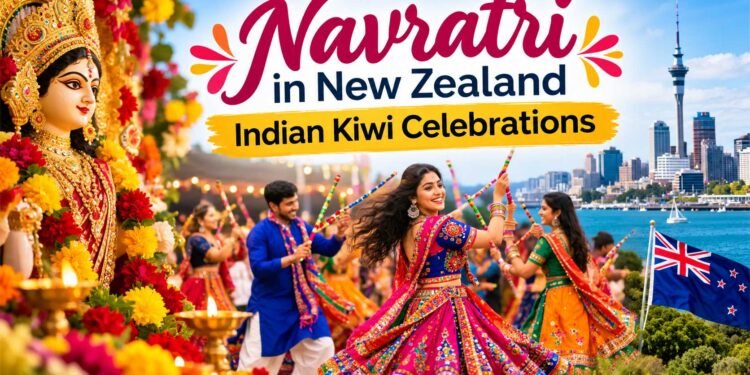
Navratri is an important festival for many Indian communities, particularly those with Gujarati cultural traditions. Across New Zealand, celebrations may include Garba, Dandiya Raas, devotional music, traditional clothing and community gatherings.
For many participants, these events are about more than dance. They provide an opportunity to connect with people who share similar traditions, meet friends and introduce younger generations to cultural practices.
Children and teenagers can learn traditional dance steps, understand the meaning behind the celebrations and develop confidence in their cultural identity.
Navratri also demonstrates the diversity within the Indian community. Different families may observe the festival in different ways, reflecting regional customs, religious practices and personal traditions.
Celebrating Festivals at Home: Food, Family and Traditions
Not every celebration takes place at a large public event. Many Kiwi Indian families prefer to celebrate festivals at home, where familiar rituals and family recipes become the centre of the occasion.
A festive kitchen might be filled with the aroma of homemade sweets, savoury snacks, curries and regional specialities. Families may prepare dishes passed down through generations, invite friends for dinner or arrange video calls with relatives in India.
Food has a special role in preserving cultural identity. A recipe taught by a grandparent or a traditional dish prepared every year can help children understand their family history in a practical and memorable way.
For families with busy work and school schedules, even a small celebration can be meaningful. Lighting a diya, preparing a favourite meal, sharing a prayer or telling children a festival story can keep traditions alive.
Temples, Cultural Associations and Community Events
Temples, cultural organisations and community groups play an important role in helping Kiwi Indians celebrate festivals collectively.
These organisations may arrange religious ceremonies, cultural programmes, dance performances, community meals and activities for children. They also help newcomers discover local networks and learn about celebrations taking place in their city.
In larger centres such as Auckland, Wellington and Christchurch, residents may find a range of Indian cultural and religious activities throughout the year. The availability and scale of events vary by location, community and festival.
For people who have recently arrived in New Zealand, attending a community event can be a useful way to meet others, learn local customs and build friendships.
Volunteers are often essential to making these celebrations possible. Organising venues, preparing food, coordinating performers and arranging activities for children requires time and teamwork. Their efforts help ensure that cultural traditions remain visible and accessible to future generations.
How Indian Festivals Help Children Stay Connected to Their Roots
One of the most important aspects of celebrating Indian festivals in New Zealand is passing traditions on to the next generation.
Children born or raised in Aotearoa may grow up surrounded by Kiwi school life, English-language entertainment and friends from different backgrounds. Indian festivals offer families a natural way to teach them about their heritage.
Parents can involve children in decorating the home, making rangoli, preparing festive dishes, learning traditional songs and understanding the stories behind celebrations.
Schools and community events can also create opportunities for cultural exchange. When children share their traditions with classmates, they learn that their heritage is something they can feel proud of.
The goal is not simply to repeat customs. It is to help young people understand their meaning, appreciate their family’s history and feel comfortable belonging to both Indian and New Zealand cultures.
Celebrating Indian Festivals in a Multicultural New Zealand
Indian festivals can also bring communities together beyond cultural boundaries. Friends, neighbours and colleagues from different backgrounds may attend celebrations, sample traditional food, watch dance performances or learn about the meaning of a festival.
These interactions help create understanding through shared experiences. Rather than learning about another culture only through books or social media, people can experience its traditions directly.
For Indian families, inviting Kiwi friends to a festival celebration can be a simple but meaningful gesture. Explaining why a festival is observed, sharing a traditional meal or demonstrating a dance can turn a family occasion into an opportunity for cultural connection.
At the same time, it is important to recognise that Indian culture is not one single tradition. India is home to many languages, religions, regions and customs. Celebrations differ between families, and this diversity is an important part of the community’s identity.
Challenges of Celebrating Festivals Away from India
Although celebrating festivals in New Zealand can be joyful, families may also face practical challenges.
Work commitments, school schedules, travel distances and the cost of organising events can make it difficult for everyone to participate. Some people live in areas where large Indian community gatherings are less frequent.
Seasonal differences can also change the experience. Festivals that take place during particular seasons in India may feel different in New Zealand because the countries are in opposite hemispheres.
Distance from relatives can be another emotional challenge, especially during occasions traditionally spent with extended family. Video calls, shared photographs and online celebrations can help families stay connected across countries.
Community groups, local temples and informal family networks can make a difference by helping people find events, share resources and create inclusive celebrations.
Simple Ways to Celebrate Indian Festivals in New Zealand
Families do not need a large budget or a big gathering to keep their traditions alive. A few simple activities can make a festival memorable.
Decorate together: Create rangoli, hang festive decorations or light diyas where safe and appropriate.
Cook traditional food: Invite children to help prepare a family recipe or explain the significance of a festive dish.
Share stories: Talk about the history, values and regional traditions associated with the festival.
Join community events: Look for local temple programmes, cultural associations and public celebrations.
Invite friends: Welcome neighbours or colleagues who would like to learn about Indian culture.
Support local performers and businesses: Where possible, attend community programmes and support Indian-owned food and cultural businesses.
Keep traditions inclusive: Explain celebrations in ways that children and guests from different backgrounds can understand and enjoy.
Stay connected with family in India: Arrange calls with relatives or share photographs to make distant family members part of the occasion.
These small efforts can turn festivals into lasting family memories while strengthening relationships across generations.