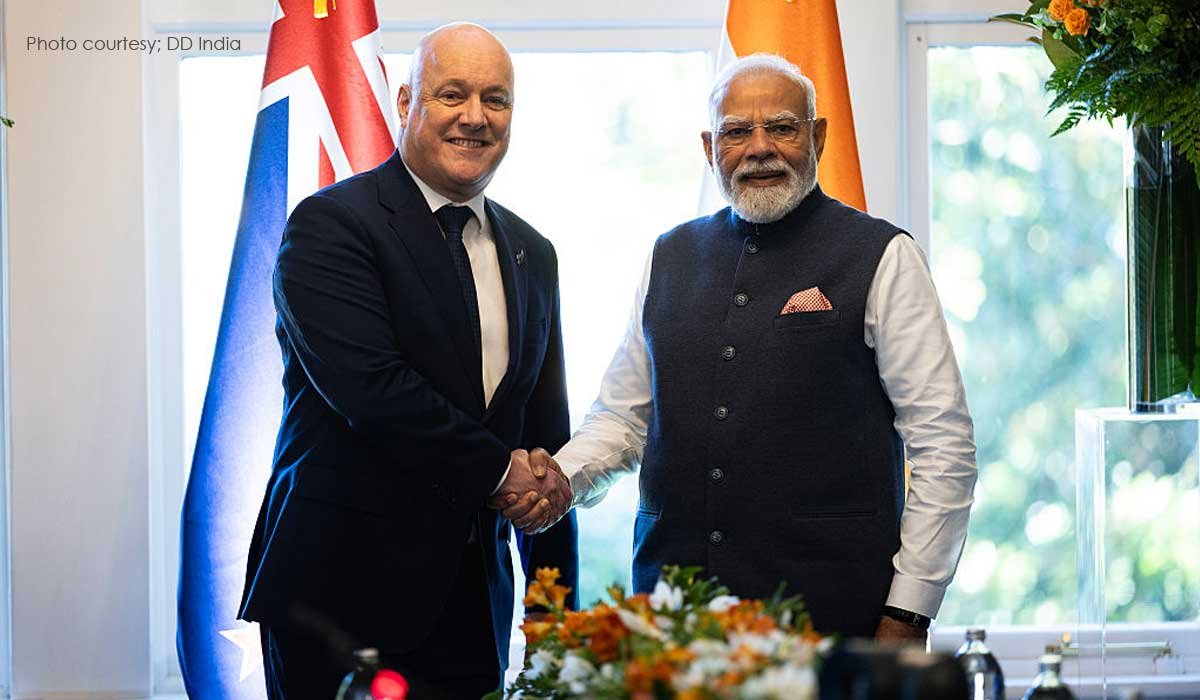
India and New Zealand have entered a significant new phase in their diplomatic relationship, marking one of the most important developments between the two nations in recent years. During high-level discussions, Prime Minister Narendra Modi and New Zealand Prime Minister Christopher Luxon announced a new Strategic Partnership supported by a Roadmap to 2030, aimed at strengthening cooperation in trade, maritime security, defence, education, technology, and people-to-people connections.
For many observers, this announcement represents much more than a diplomatic milestone. It reflects a shared vision for economic growth, regional stability, and stronger collaboration in an increasingly interconnected Indo-Pacific region.
For New Zealand’s Indian community, the partnership also offers hope for greater opportunities in business, education, tourism, innovation, and cultural exchange over the coming years.
A Relationship Entering a New Era
India and New Zealand have enjoyed friendly diplomatic relations for decades, built on shared democratic values, mutual respect, and strong people-to-people connections. However, despite these positive ties, cooperation between the two countries has often remained below its full potential.
The newly announced Strategic Partnership signals a clear commitment from both governments to deepen their engagement across a wide range of sectors rather than focusing solely on trade.
The Roadmap to 2030 outlines long-term cooperation in areas including commerce, defence, maritime security, agriculture, science, technology, education, tourism, sustainability, and innovation. It reflects the growing recognition that both nations have complementary strengths and shared interests in addressing future global challenges.
Trade Ambitions Reach New Heights
One of the most significant announcements is the ambitious target of substantially increasing bilateral trade by 2030.
India continues to be one of the world’s fastest-growing major economies, offering expanding opportunities across manufacturing, technology, digital services, healthcare, and consumer markets. Meanwhile, New Zealand has built an international reputation for high-quality agricultural products, dairy exports, education, renewable energy, and sustainable business practices.
Expanding trade between the two countries could create new opportunities for exporters, importers, investors, startups, and small businesses while encouraging greater economic cooperation and investment.
For businesses already operating between India and New Zealand, the strengthened relationship could improve market access and open doors to new partnerships.
Maritime Security Becomes a Shared Priority
Beyond economic cooperation, maritime security has emerged as another key pillar of the new partnership.
Both governments have agreed to strengthen cooperation in maintaining a safe, secure, and stable Indo-Pacific region through regular dialogue, defence collaboration, and greater coordination on maritime issues.
Although maritime security may seem distant from everyday life, secure shipping routes play a vital role in supporting international trade. Much of the global economy depends on safe sea lanes that enable the movement of food, fuel, manufactured goods, and essential supplies.
Closer cooperation between India and New Zealand is expected to contribute to regional stability while protecting the international trade routes that both countries rely upon.
Understanding the Importance of the Indo-Pacific
The Indo-Pacific region has become increasingly important in global politics and economics.
As international trade continues to grow and geopolitical dynamics evolve, countries across the region are placing greater emphasis on partnerships that promote peace, security, and economic resilience.
India has become an increasingly influential player within the Indo-Pacific, while New Zealand continues to support a rules-based international order that encourages cooperation, open trade, and peaceful dialogue.
Their strengthened partnership reflects these shared priorities and demonstrates a commitment to working together on regional and global challenges.
Opportunities for the Indian Community in New Zealand
Perhaps the most meaningful aspect of this announcement extends beyond government policy.
The Indian community has become one of New Zealand’s fastest-growing and most vibrant communities, contributing significantly to healthcare, education, technology, retail, hospitality, construction, transport, and entrepreneurship.
As bilateral relations continue to strengthen, the community may benefit from increased opportunities through:
- Business and investment partnerships
- Educational collaboration
- Tourism growth
- Professional networking
- Technology and innovation projects
- Cultural exchange initiatives
While these opportunities will develop over time, stronger diplomatic ties often create a more favourable environment for businesses, professionals, students, and families connected to both countries.
Education and Research Receive Fresh Momentum
Education has long served as an important bridge between India and New Zealand.
Thousands of Indian students have chosen New Zealand for higher education, attracted by internationally recognised qualifications, research opportunities, and diverse learning environments.
The new partnership is expected to encourage closer collaboration between universities, research institutions, and educational organisations through academic exchanges, joint research, and innovation partnerships.
These initiatives could strengthen educational cooperation while helping prepare future generations for a rapidly changing global economy.
Innovation and Technology Lead Future Growth
Technology is expected to become one of the defining pillars of the India–New Zealand partnership.
India has established itself as a global leader in software development, digital public infrastructure, fintech, and startup innovation. New Zealand, meanwhile, continues to advance in agritech, renewable energy, artificial intelligence, and sustainable technologies.
By encouraging collaboration between businesses, researchers, startups, and universities, both countries have the opportunity to drive innovation that benefits their economies and societies.
Innovation partnerships could also create new opportunities for entrepreneurs and technology professionals across both nations.
More Than Politics-A Partnership Built by People
Government agreements may begin with official meetings, but lasting international relationships are built by people.
Students studying abroad, entrepreneurs launching businesses, researchers sharing knowledge, tourists exploring new destinations, and families maintaining cultural connections all contribute to stronger ties between countries.
For many members of New Zealand’s Indian community, this partnership represents recognition of the important role they already play in strengthening the relationship between the two nations.
Their contributions continue to shape economic growth, cultural diversity, and community development throughout New Zealand.
Challenges Will Require Continued Commitment
While the announcement is encouraging, achieving long-term success will require sustained effort.
Trade targets will depend on global economic conditions, business confidence, policy implementation, and continued collaboration between governments and industry.
Similarly, cooperation in defence, maritime security, education, and innovation will require ongoing dialogue and practical action.
Announcements create momentum, but meaningful progress depends on consistent delivery over the coming years.
Looking Towards 2030
The Roadmap to 2030 provides a clear direction for the future of India–New Zealand relations.
If successfully implemented, it has the potential to expand trade, encourage innovation, strengthen regional security, support educational partnerships, and create new opportunities for businesses and communities alike.
For readers of NZ Indian Insights, this development is particularly significant because it reflects the growing importance of the relationship between the two countries many proudly call home.
As India continues to expand its global influence and New Zealand strengthens its engagement across the Indo-Pacific, this partnership could become one of the defining milestones in modern bilateral relations.
The coming years will reveal how these commitments translate into real opportunities for businesses, students, professionals, and communities. If both countries continue to work together with shared purpose and mutual respect, this new chapter could deliver lasting benefits that extend well beyond government agreements and into the everyday lives of people on both sides of the partnership.
Frequently Asked Questions (FAQs)