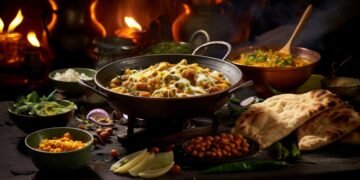
Weight Loss Without Giving Up Indian Food
When people decide to lose weight, one of the first things they often do is reduce carbohydrates and cut down on traditional Indian meals. Unfortunately, this can lead many people to eat less dal, believing it is too heavy or calorie-dense.
But what if the opposite is true?
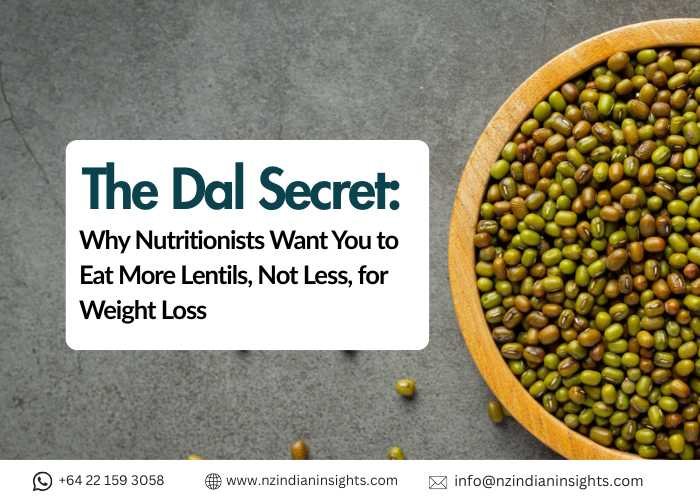
Many nutritionists and dietitians are encouraging people to eat more lentils-not less-when trying to lose weight. Dal has been a staple of Indian diets for generations, and modern nutrition science continues to support its benefits for healthy weight management.
Related Post
If you’re trying to lose weight without giving up the foods you love, dal may be one of the most powerful ingredients already sitting in your kitchen.
Why Dal Is a Weight-Loss-Friendly Food
Dal is made from lentils, pulses, and legumes such as masoor, moong, toor, urad, and chana dal. These foods are naturally rich in plant protein, dietary fiber, vitamins, and minerals.
Unlike highly processed foods, lentils provide slow-releasing energy, helping you stay fuller for longer periods. This reduces unnecessary snacking and overeating throughout the day.
A bowl of dal offers:
- High protein content
- Excellent fiber levels
- Low fat content
- Complex carbohydrates
- Essential nutrients like iron, folate, magnesium, and potassium
The combination of protein and fiber makes dal particularly effective for people looking to control their weight.
The Protein Advantage
One of the biggest challenges during weight loss is preserving muscle while reducing body fat.
Protein helps support muscle maintenance and increases feelings of fullness after meals. While many weight-loss diets focus heavily on meat-based protein sources, lentils offer an affordable and vegetarian-friendly alternative.
Including dal in your meals can help:
- Reduce hunger between meals
- Increase satiety
- Support healthy metabolism
- Prevent excessive calorie intake
For vegetarians and many Indian families, dal remains one of the easiest ways to boost daily protein intake.
Fiber: The Hidden Weight-Loss Hero
Fiber is often overlooked in modern diets, yet it plays a crucial role in healthy weight management.
Lentils are packed with soluble and insoluble fiber, which help:
- Slow digestion
- Improve gut health
- Promote fullness
- Support healthy blood sugar levels
When you eat a fiber-rich meal like dal with vegetables, your stomach remains satisfied longer compared to meals made primarily from refined carbohydrates.
This means fewer cravings and less temptation to reach for unhealthy snacks.
Dal Helps Control Blood Sugar
One reason people struggle with weight loss is fluctuating blood sugar levels.
Foods that cause rapid spikes and crashes in blood sugar can leave you feeling hungry again shortly after eating.
Lentils have a relatively low glycemic index compared to many processed foods. Their combination of fiber and protein slows glucose absorption, helping maintain steadier energy levels throughout the day.
Stable blood sugar often translates into:
- Better appetite control
- Reduced cravings
- More consistent energy
- Improved dietary adherence
These factors can make a significant difference over time.

Which Dal Is Best for Weight Loss?
The good news is that most lentils can fit into a healthy weight-loss plan.
Some popular options include:
Moong Dal
Light, easy to digest, and rich in protein. Many nutritionists recommend moong dal for those beginning a healthier eating journey.
Masoor Dal
High in fiber and protein while being quick to cook. It is a practical option for busy households.
Toor Dal
A staple in many Indian homes, offering balanced nutrition and satisfying flavor.
Chana Dal
Contains substantial protein and fiber, making it especially filling.
Mixed Lentils
Combining different lentils can provide a broader range of nutrients and improve meal variety.
Rather than focusing on a single “best” dal, consistency and portion control are more important.
Common Mistakes That Reduce Dal's Benefits
While dal is healthy, certain cooking habits can add unnecessary calories.
Avoid these common mistakes:
Too Much Oil or Ghee
A small amount enhances flavor, but excessive quantities can dramatically increase calories.
Heavy Cream Additions
Restaurant-style dals often contain cream and butter that may not support weight-loss goals.
Oversized Portions
Dal is healthy, but moderation still matters. Balance it with vegetables and appropriate portions of rice or roti.
Pairing with Fried Foods
The benefits of dal can be offset when regularly combined with deep-fried sides.
Smart Ways to Include More Dal in Your Diet
If your goal is sustainable weight loss, try these simple strategies:
Start Lunch with Dal
Having dal before the rest of your meal can increase fullness and help reduce overall calorie intake.
Add Vegetables
Mix spinach, bottle gourd, carrots, tomatoes, or pumpkin into dal for additional fiber and nutrients.
Use Dal as a Protein Base
Instead of relying on processed snacks, enjoy dal-based meals for steady energy.
Try Dal Soups
Light lentil soups can be satisfying, nutritious, and easy to prepare.
Rotate Different Lentils
Variety prevents meal fatigue and ensures a broader nutrient intake.
Weight Loss Doesn't Mean Giving Up Indian Food
One of the biggest myths surrounding weight loss is that traditional Indian food must be avoided.
In reality, many Indian staples-including dal, vegetables, spices, yogurt, and whole grains-can form the foundation of a healthy and sustainable eating plan.
The key isn’t removing cultural foods from your plate. It’s learning how to prepare them in balanced portions and combining them with healthy lifestyle habits.
Dal perfectly demonstrates this principle. A humble ingredient that has nourished generations may also help support modern weight-loss goals.
Is dal good for weight loss?
Yes. Dal is rich in protein and fiber, which help increase fullness and reduce overeating.
Which dal is best for weight loss?
Moong dal, masoor dal, and chana dal are popular choices due to their high protein and fiber content.
Can I eat dal every day while trying to lose weight?
Yes. Daily consumption of dal can be part of a balanced and healthy weight-loss diet.
Is dal better than protein supplements?
For many people, dal offers a natural source of protein along with fiber, vitamins, and minerals that supplements may not provide.
Disclaimer: This article is for informational purposes only and should not be considered medical or nutritional advice. Consult a qualified healthcare professional or registered dietitian before making significant dietary changes.
Read More from Our Weight Loss Without Giving Up Indian Food Series: Explore more healthy Indian eating tips, nutrition guides, and health & wellbeing articles on NZ Indian Insights.