
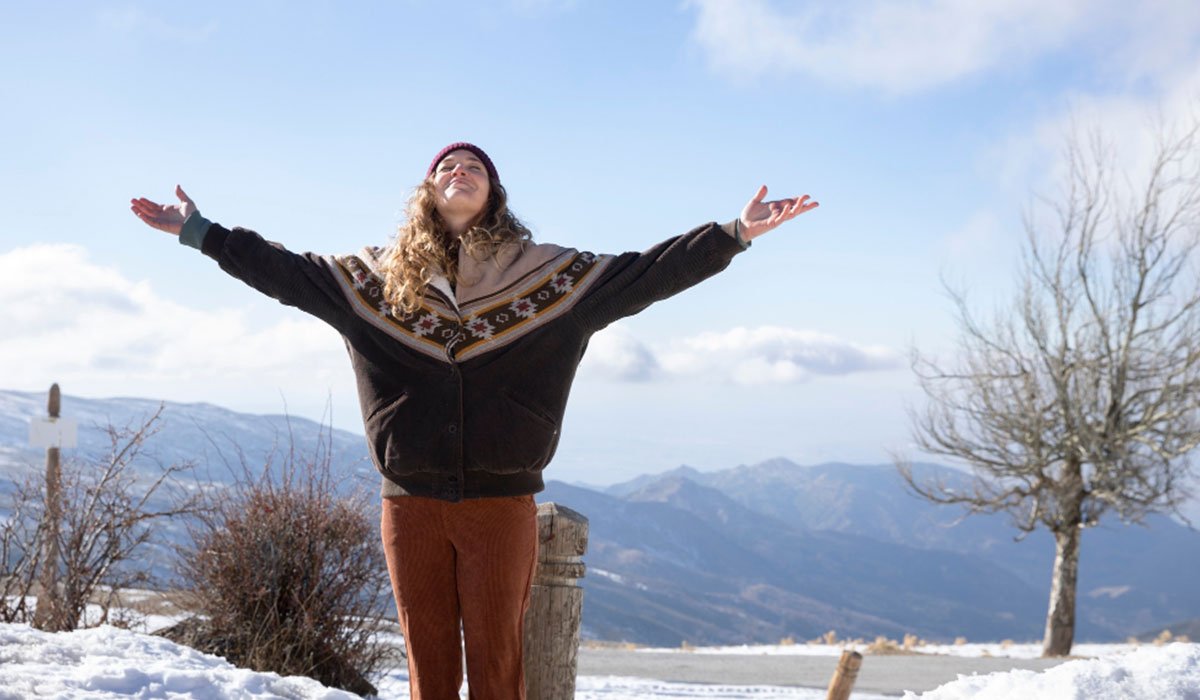
Winter in New Zealand can feel beautiful and brutal at the same time. The cold mornings, shorter days, heavy rain, and freezing winds often make people feel tired, lazy, and more vulnerable to colds and flu. Every year, many families across New Zealand deal with seasonal sickness, low energy, and mental fatigue during winter.
But staying healthy in winter is not only about taking medicine after getting sick. In my opinion, the real secret is building small daily habits before winter health problems begin.
Here are some of the best winter health tips that genuinely help people stay healthy, active, and comfortable during New Zealand’s colder months.
Related Post

1. Keep Your Home Warm and Dry
One thing many people underestimate in New Zealand is how much cold and damp homes affect health. A chilly house can increase the chances of coughs, flu, breathing issues, and body aches.
Try to:
- Open windows during sunny hours for fresh air
- Use heaters safely
- Keep blankets and warm layers ready
- Reduce moisture and mould inside rooms
Warm homes are especially important for children and older family members. Health experts in New Zealand also recommend keeping indoor spaces warm during winter months.
2. Drink More Water Even If You Don’t Feel Thirsty
Most people drink less water during winter because they don’t feel sweaty or thirsty. But dehydration still happens in cold weather and can cause headaches, tiredness, dry skin, and low concentration.
Warm water, herbal tea, soups, and lemon drinks can help your body stay hydrated throughout the day. According to Health New Zealand, adults should still aim for enough daily fluid intake during colder seasons.
3. Prioritise Sleep and Rest
Winter is usually the season when your body needs more recovery time. Lack of sleep weakens immunity and makes it easier for viruses to spread.
In my opinion, one of the biggest mistakes people make is ignoring early signs of tiredness or cold symptoms and continuing to overwork themselves.
Try to:
- Sleep 7–8 hours daily
- Reduce late-night screen time
- Rest immediately when feeling unwell
Many New Zealand health resources also suggest rest as one of the best ways to recover faster from seasonal illnesses.
4. Eat Foods That Support Immunity
Winter is not the time for skipping meals or surviving only on coffee and snacks. Your immune system works better when your body gets proper nutrition.
Some simple winter-friendly foods include:
- Seasonal fruits
- Green vegetables
- Soup and broth
- Ginger and garlic
- Citrus fruits rich in Vitamin C
Hot homemade meals often help the body feel warmer and more energetic during colder days.
5. Don’t Ignore Exercise During Winter
Many people stop exercising in winter because mornings are cold and evenings get dark early. But even small daily movement can improve circulation, energy levels, and mental health.
You do not need a heavy gym routine. Simple activities help too:
- Walking
- Stretching indoors
- Yoga
- Home workouts
- Weekend hikes
Even 20–30 minutes of movement daily can make a noticeable difference.
6. Protect Yourself From Cold and Flu
Winter illnesses spread quickly in offices, schools, buses, and public places. Colds and flu are common during this season in New Zealand.
Simple prevention habits include:
- Washing hands regularly
- Avoiding close contact with sick people
- Covering coughs and sneezes
- Staying home when sick
- Wearing masks in crowded indoor places if needed
Many New Zealanders also discuss how ventilation, sleep, hydration, and staying home when sick help reduce winter illness spread.
7. Look After Your Mental Health
Winter does not only affect the body. It can also affect mood, motivation, and emotional wellbeing. Shorter daylight hours sometimes lead to stress, loneliness, or low energy.
My personal opinion is that winter health conversations should include mental health more often.
Some simple ways to improve mood:
- Spend time outdoors when sunny
- Stay socially connected
- Listen to music or podcasts
- Reduce negative news consumption
- Maintain routines
Small lifestyle changes often make winter feel easier mentally.
8. Don’t Wait Too Long Before Seeking Medical Advice
Many people try to “push through” winter sickness for too long. While most colds improve naturally, serious symptoms should never be ignored.
Seek professional advice if symptoms include:
- Difficulty breathing
- Chest pain
- High fever
- Severe dehydration
- Long-lasting cough
Health experts recommend early care for high-risk groups including elderly people, children, and those with existing medical conditions.
Disclaimer: This article is for general informational purposes only and should not be considered medical advice. Always consult a qualified healthcare professional for personal health concerns or treatment.