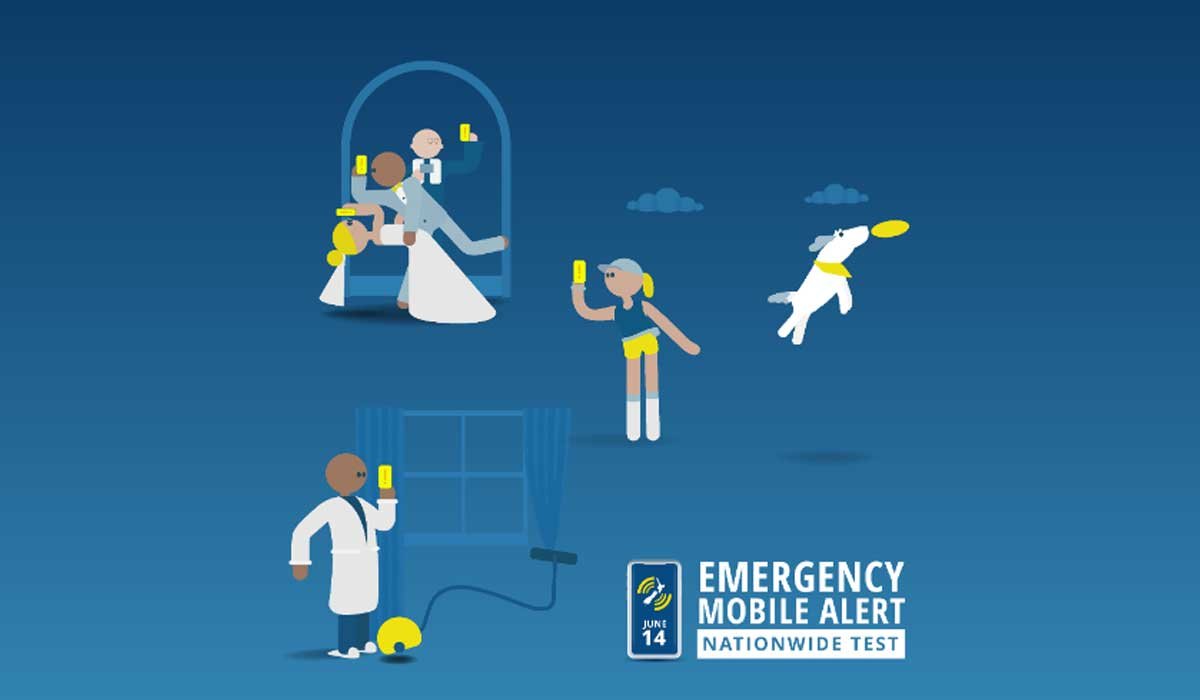
If your phone suddenly makes a loud alert sound on Sunday evening, don’t panic. It’s not a natural disaster, a security threat, or a system malfunction. Instead, it’s a nationwide test designed to make sure New Zealand’s emergency warning system works when it matters most.
The National Emergency Management Agency (NEMA) will conduct its annual Emergency Mobile Alert (EMA) test on Sunday, June 14, between 6pm and 7pm. The alert will be sent to capable mobile phones and SIM-connected devices across the country as part of New Zealand’s ongoing emergency preparedness programme.
While many people may view the alert as a minor inconvenience, emergency management experts say these tests play a critical role in protecting lives during real emergencies.
Why Is New Zealand Testing the Emergency Mobile Alert System?
In today’s world, disasters can strike with little warning. From severe weather events and flooding to earthquakes, tsunamis, and wildfires, authorities need a reliable way to communicate urgent information to the public.
The Emergency Mobile Alert system allows authorised emergency agencies to send warning messages directly to mobile devices in affected areas. Unlike traditional text messages, these alerts are broadcast through cell towers, meaning they can reach large numbers of people quickly and efficiently.
According to NEMA, routine testing ensures the technology continues to function correctly nationwide and helps agencies identify any technical issues before a real emergency occurs.
What Will Happen on Sunday?
Between 6pm and 7pm on June 14, capable mobile phones throughout New Zealand will receive the test alert. The message will be accompanied by a distinctive warning sound and vibration, even if a device is set to silent mode in some cases.
The alert will clearly state that it is a test and that no action is required.
If you receive the alert, the recommended response is simple:
- Read the message.
- Acknowledge the alert.
- Continue with your day.
The test is designed to be noticeable because real emergency alerts must capture attention immediately when lives may be at risk.
More Than Just a Technology Test
While the annual test checks the technical side of the system, it also serves another important purpose: public awareness.
Many people only think about emergency preparedness after a disaster occurs. The annual alert acts as a reminder for households to review emergency plans, check emergency kits, and discuss what to do during different types of emergencies.
Preparedness experts often say that resilience starts before a crisis begins.
The truth is that most of us rarely imagine ourselves needing an emergency alert. Yet recent years have shown how quickly situations can change. Severe weather events, flooding, and other emergencies have affected communities across New Zealand, highlighting the importance of timely communication.
Why These Alerts Matter
It’s easy to ignore a test message and move on. However, the Emergency Mobile Alert system has become one of the country’s most important public safety tools.
Unlike social media updates or news broadcasts, emergency alerts are delivered directly to devices within affected areas. This helps ensure critical information reaches people quickly, even if they are not actively following the news.
In emergency situations, every minute matters.
Whether authorities need to warn residents about flash flooding, evacuation orders, tsunami risks, or dangerous weather conditions, the speed of communication can significantly influence public safety outcomes.
A Personal Reflection: The One Alert We Hope We Never Need
There’s something interesting about emergency alert tests.
Most people find them slightly annoying. Conversations pause. Phones beep loudly. Some people scramble to figure out why their devices suddenly started making noise.
But perhaps that’s exactly the point.
The brief interruption reminds us that modern emergency systems are constantly working in the background. We rarely think about them until they’re needed.
When a real emergency occurs, nobody wants to wonder whether the alert system will work. The ideal time to discover technical problems is during a scheduled test—not during a life-threatening event.
That’s why this annual alert deserves more appreciation than it often receives.
For one evening each year, millions of New Zealanders hear the same alert. It becomes a shared reminder that preparedness is a collective responsibility.
What If You Don't Receive the Alert?
Not every phone will necessarily receive the test.
Receipt depends on factors such as device compatibility, software updates, network support, and whether the device is connected to a participating mobile network.
If your phone does not receive the alert, it may be worth checking whether your device supports Emergency Mobile Alerts and whether it is running the latest software.
Building a More Prepared New Zealand
The June 14 test is ultimately about confidence.
Confidence that emergency agencies can communicate with the public.
Confidence that technology will work under pressure.
And confidence that communities have access to information when they need it most.
As climate-related events and other emergencies continue to challenge communities around the world, effective warning systems are becoming increasingly important.
So when your phone beeps on Sunday evening, take a moment to appreciate what it represents: a nationwide effort to keep people informed, connected, and safe.
It may only last a few seconds, but those few seconds could make a world of difference during a real emergency.
Key Facts at a Glance
- Date: Sunday, June 14, 2026
- Time: Between 6pm and 7pm
- Organiser: National Emergency Management Agency (NEMA)
- Purpose: Annual nationwide Emergency Mobile Alert system test
- Action Required: None – simply read the message
- Coverage: Capable mobile phones and SIM-enabled devices across New Zealand
For most people, it will be just another notification.
For emergency planners, it’s a vital rehearsal that helps ensure New Zealand is ready when it matters most