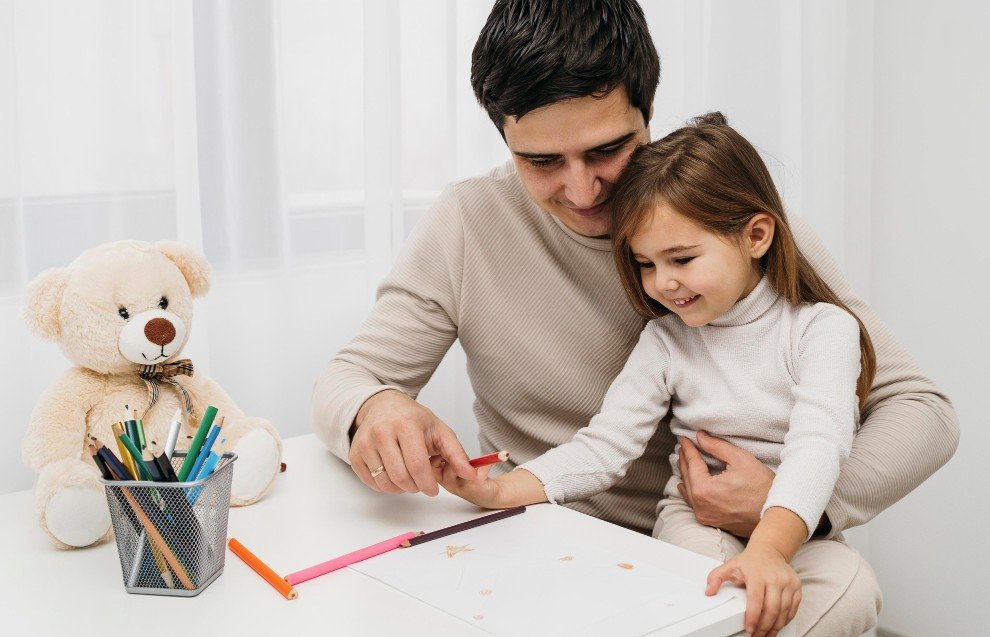

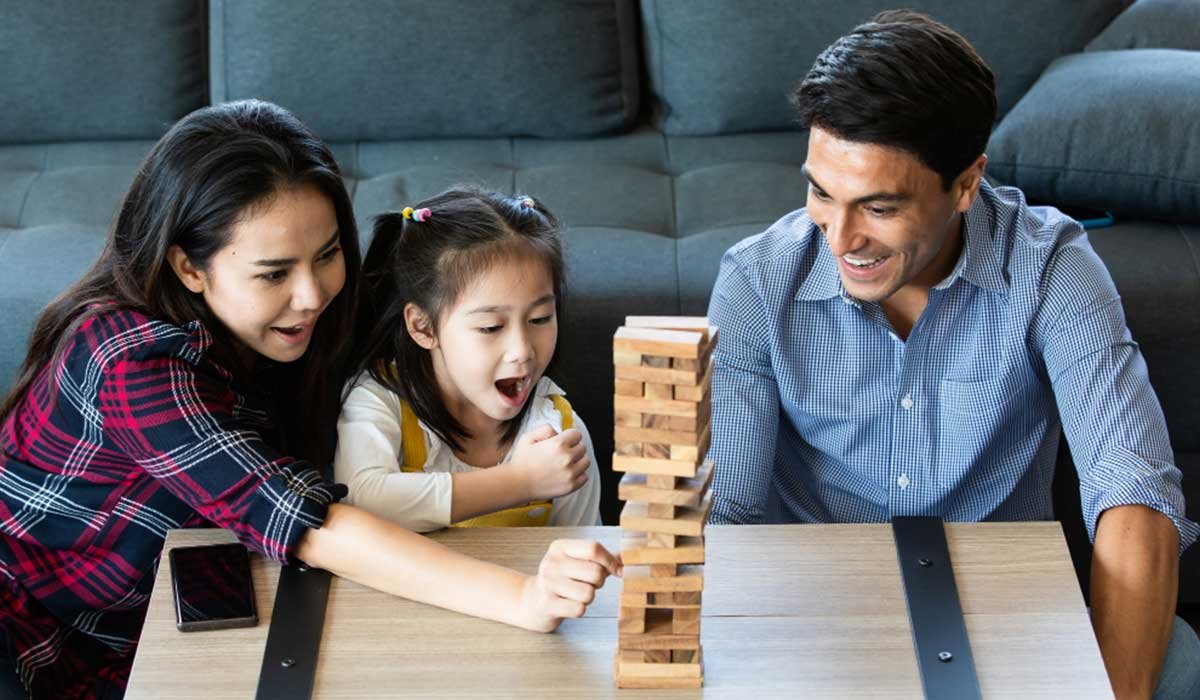
Children aren’t born believing they can achieve anything—they learn it through everyday experiences, encouragement, and the freedom to try, fail, and try again. As parents, caregivers, and family members, the small choices we make each day play a significant role in shaping a child’s confidence and independence.
For many families in New Zealand, especially within multicultural communities, balancing academic success, cultural values, and emotional wellbeing can feel challenging. Yet confidence isn’t built through perfection. It grows when children feel supported, trusted, and valued for who they are.
Whether your child is taking their first steps into preschool or preparing for their teenage years, helping them develop self-belief and independence is one of the greatest gifts you can offer.
Related Post

Why Confidence Matters More Than Perfection
Many parents naturally want their children to succeed. However, focusing only on results can unintentionally teach children that mistakes should be avoided at all costs.
Confident children understand that making mistakes is part of learning. They become more willing to ask questions, explore new ideas, and keep trying even when something feels difficult.
Instead of praising only achievements, celebrate effort, persistence, and problem-solving. A simple “I’m proud of how hard you worked” often has a greater long-term impact than praising intelligence alone.
Children who feel emotionally safe are also more likely to take healthy risks, develop friendships, and adapt to new situations.
Encourage Independence Through Everyday Responsibilities
Independence doesn’t happen overnight. It develops gradually through everyday routines. Simple responsibilities help children feel capable and trusted.
Depending on their age, children can:
- Pack their own school bag.
- Help prepare simple meals.
- Organise their toys.
- Choose their clothes.
- Feed a family pet.
- Water plants.
- Help set the dinner table.
These small tasks teach responsibility, decision-making, and accountability.
Resist the urge to fix every mistake immediately. Sometimes allowing children to experience natural consequences helps them learn valuable life skills.
Let Children Solve Age-Appropriate Problems
Parents often step in because they want to help. While support is important, solving every problem for a child can reduce opportunities for growth.
Instead, guide them with questions such as:
- “What do you think you could try?”
- “What happened?”
- “How would you like to solve this?”
- “What could you do differently next time?”
These conversations encourage critical thinking and resilience.
Children begin trusting their own judgment when they realise they can solve challenges with guidance rather than having every answer provided.
Create a Home Where Mistakes Are Welcome
Fear of failure often starts when children worry about disappointing the people they love.
Help change that narrative.
Talk openly about your own mistakes and what you learned from them. Let children know that nobody gets everything right the first time.
When mistakes become opportunities to learn instead of reasons for criticism, children develop resilience and confidence.
This mindset prepares them for school, friendships, sports, and eventually the workplace.
Praise the Process, Not Just the Outcome
Instead of saying:
“You are so smart.”
Try saying:
- “You kept trying even when it was difficult.”
- “I’m proud of your determination.”
- “You found another way to solve the problem.”
- “You should be proud of yourself.”
These comments encourage a growth mindset, helping children believe that abilities improve through practice.
This type of encouragement builds lasting confidence because it focuses on actions rather than fixed abilities.
Build Confidence Through Social Connections
Children gain confidence by interacting with others.
Encourage opportunities for them to:
- Join community sports.
- Participate in cultural events.
- Attend music or dance classes.
- Volunteer.
- Take part in school activities.
- Build friendships across different cultures.
New Zealand offers many community-based activities that help children develop communication, teamwork, and leadership skills.
For Indian families, participating in both Kiwi and cultural community events allows children to develop pride in their heritage while building strong social confidence.
Support Emotional Confidence
Confidence isn’t only about achievements.
It’s also about believing that emotions are normal and manageable.
Encourage children to talk about:
- Happiness
- Sadness
- Worry
- Excitement
- Anger
- Disappointment
Listening without immediately judging or fixing every feeling helps children build emotional resilience.
Children who know their emotions are accepted often develop stronger self-esteem and healthier relationships.
Confidence Begins with Connection
Perhaps the greatest confidence builder isn’t praise, awards, or perfect grades.
It’s knowing that someone believes in you.
Children flourish when they feel loved regardless of success or failure.
Daily conversations, shared meals, bedtime stories, family traditions, and quality time create a secure foundation from which confidence naturally grows.
Every encouraging word, every opportunity to make choices, and every chance to learn from mistakes helps prepare children for adulthood.
Confidence and independence aren’t developed in one day-but through hundreds of everyday moments that quietly shape a child’s future.
FAQs
Why is independence important for children?
Independence helps children develop responsibility, resilience, decision-making skills, and self-confidence that benefit them throughout life.
Far far away, behind the word mountains
Independence helps children develop responsibility, resilience, decision-making skills, and self-confidence that benefit them throughout life.
How do I encourage my child without overpraising?
Focus on praising effort, determination, kindness, and learning rather than only achievements or natural ability.
Can chores help build confidence?
Yes. Completing age-appropriate household tasks helps children feel capable, responsible, and trusted.
What if my child lacks confidence?
Be patient, encourage small successes, avoid constant comparisons, provide emotional support, and celebrate progress rather than perfection.
Disclaimer: This article is for general informational purposes only and should not be considered professional medical, psychological, or parenting advice. Every child is unique, and parents or caregivers should seek guidance from qualified professionals where appropriate.
Explore more Family & Parenting tips, along with inspiring stories in our Lifestyle and Cultural Views & Insights sections on NZ Indian Insights.