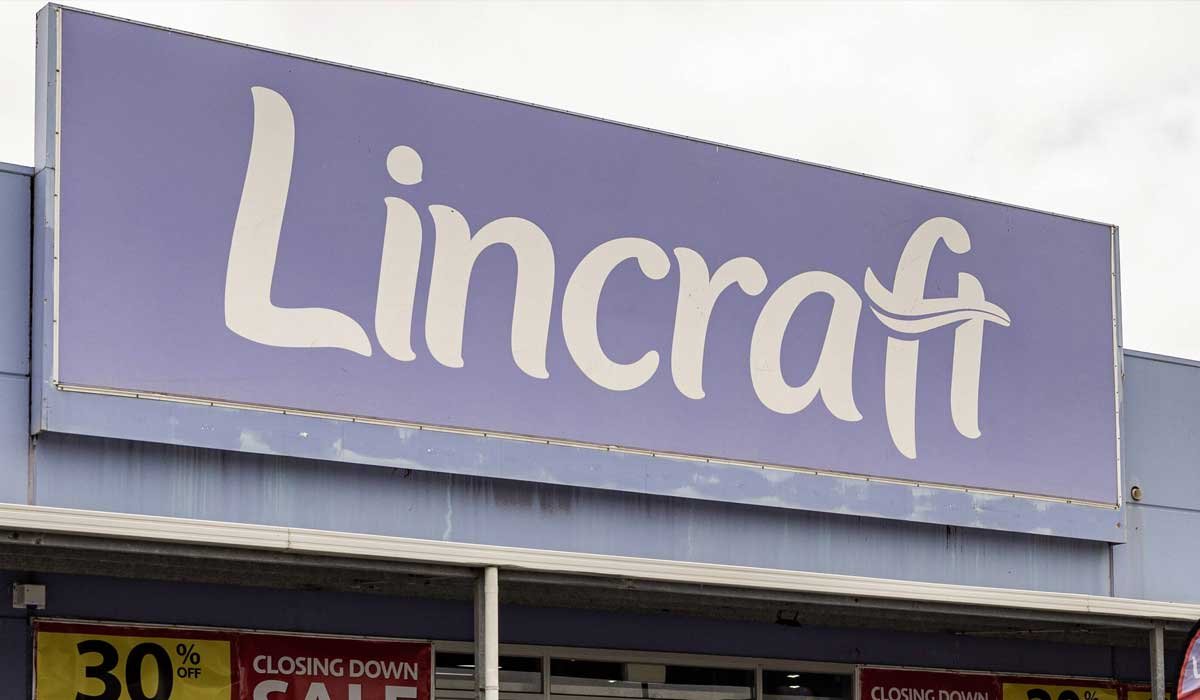
For generations of New Zealanders and Australians, a visit to Lincraft was more than a shopping trip. It was where school projects began, sewing skills were learned, and creative ideas came to life.
Now, after more than eight decades in business, the iconic craft and fabric retailer has announced it will close its remaining physical stores and transition to a fully online operation. The decision marks the end of a retail chapter that many customers never expected to see close.
Lincraft's Big Shift
Lincraft confirmed that it will progressively shut down the rest of its store network across Australia and New Zealand while continuing to serve customers through its online platform. The company said the decision followed a prolonged period of challenging retail conditions, changing consumer habits, rising operating costs, and increasing competition from low-cost international retailers.
Around 300 employees are expected to be affected by the transition, although the company has stated that employee entitlements will be paid and support measures will be provided during the closure process.
The move will take place over the coming months, with customers still able to purchase products through Lincraft’s digital store as the physical locations gradually disappear.
From a Melbourne Market Stall to a Household Name
Lincraft’s story began in Melbourne in 1938 as a market stall selling fabrics and sewing materials. Over the decades, the brand expanded into a well-known retail chain offering fabrics, craft supplies, yarns, homewares, curtains, and hobby products across Australia and New Zealand.
For many families, Lincraft became a destination where creativity was encouraged. Parents taught children to sew, knit, crochet, and create handmade gifts. Before social media tutorials and online craft communities existed, stores like Lincraft were often where beginners received their first guidance and inspiration.
That history is one reason the closure announcement has generated such an emotional response among customers.
Why Retailers Keep Leaving the High Street
Lincraft is far from the only retailer facing difficult decisions.
Across Australia and New Zealand, traditional retailers have struggled with a combination of rising rents, higher wages, increased supply chain costs, and growing competition from online marketplaces. Consumers have become increasingly comfortable purchasing products online, often prioritising convenience and lower prices over in-store experiences.
Recent years have seen several well-known retail brands either close stores, enter administration, or significantly reduce their physical footprints. Industry observers say many businesses are being forced to rethink how they operate in an environment where digital shopping continues to gain ground.
For retailers, maintaining large store networks has become increasingly expensive. For customers, however, the disappearance of physical stores often comes with hidden costs.
What Customers May Miss Most
The closure of a fabric and craft retailer is different from the closure of many other stores.
When people buy clothing, electronics, or household goods online, they often know exactly what they want. Craft supplies are different.
Many crafters want to feel a fabric before purchasing it. They want to compare colours in natural light, examine textures, test materials, and discuss project ideas with knowledgeable staff.
That sentiment has been echoed by many customers discussing the announcement online, with some noting that fabrics, threads, trims, and sewing materials are products that often benefit from an in-person experience.
For hobbyists, creative shoppers, and small handmade businesses, losing another physical craft destination may make sourcing materials more challenging.
The Human Side of the Announcement
While headlines often focus on business decisions and financial pressures, the most immediate impact is usually felt by employees.
Hundreds of workers now face uncertainty about their future employment. Many have spent years helping customers choose fabrics, complete projects, and develop creative skills.
The company’s leadership has described the decision as difficult and acknowledged the impact it will have on staff and long-time customers.
For many communities, the closure of a store is not simply a business event. It represents the loss of familiar faces, local expertise, and a gathering place where people shared common interests.
Is Online-Only the Future?
The shift raises a broader question about the future of retail.
Online shopping offers convenience, wider product ranges, and often lower prices. Yet physical stores continue to provide experiences that websites cannot fully replicate.
Retail experts increasingly suggest that successful retailers of the future may need to blend both approaches rather than rely entirely on one. Stores that provide demonstrations, workshops, events, and personalised advice may still have a role to play even as e-commerce expands.
Whether Lincraft’s online-only strategy succeeds will depend on its ability to maintain customer loyalty while delivering the convenience and product range shoppers expect in a digital environment.
A Moment That Reflects a Bigger Trend
Lincraft’s decision is about more than one retailer.
It reflects a retail landscape that is changing rapidly across Australia and New Zealand. Businesses are adapting to new consumer behaviours, technological advances, and economic pressures that continue to reshape shopping habits.
For younger consumers, buying craft supplies online may feel completely normal. For older generations, however, the disappearance of another familiar storefront may feel like the end of something much larger.
The closure of Lincraft’s remaining stores is ultimately a reminder that retail is not just about products. It is about communities, memories, and experiences. When a long-standing retailer leaves the high street, those connections can be difficult to replace.
As Lincraft prepares for its next chapter online, many customers will likely remember not just what they bought there, but the projects they created, the skills they learned, and the memories they made along the way.