
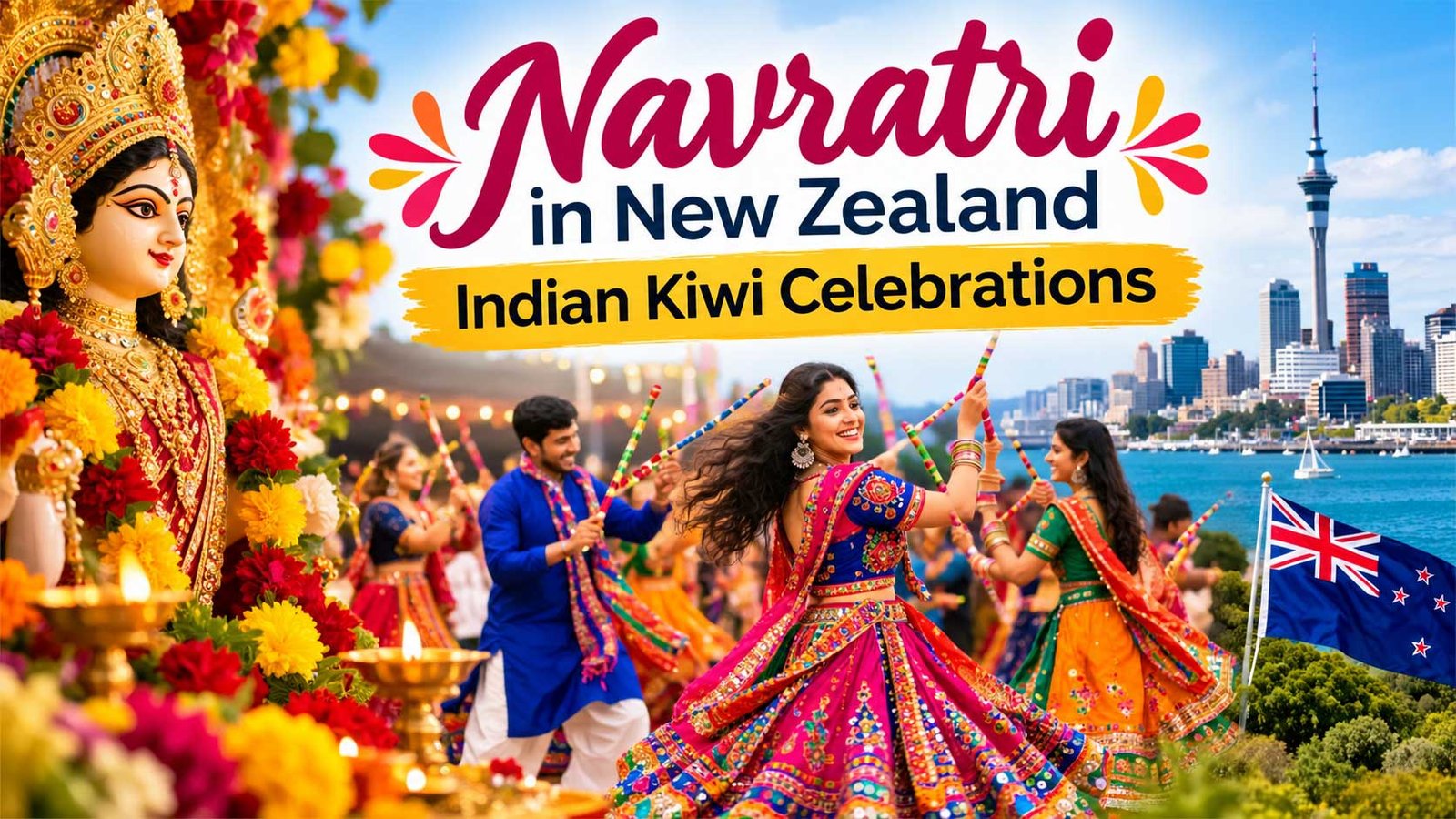
Navratri is one of the most colourful and meaningful festivals in Indian culture. Celebrated over nine nights, the festival honours Goddess Durga and symbolises the victory of good over evil. For Indian families living in New Zealand, Navratri is much more than a religious celebration. It is a time to reconnect with their roots, bring families together, share traditions with children and strengthen the Indian Kiwi community.
As Navratri begins, homes, temples and community venues become places of devotion, music, traditional food and joyful celebration. Whether families celebrate with daily prayers at home, attend temple ceremonies or join energetic Garba and Dandiya nights, the festival creates a special connection between Indian heritage and Kiwi life.
In 2026, Sharad Navratri begins on Sunday, 11 October, with the festival’s main observances continuing through 20 October. Vijayadashami, also known as Dussehra, falls on 21 October, according to the Hindu calendar for Auckland, New Zealand.

Related Post
The First Day of Navratri: A Fresh Beginning Filled with Faith
The first day of Navratri marks the beginning of nine days dedicated to devotion, positivity and spiritual reflection. Many Hindu families begin the festival by cleaning their homes, preparing a prayer space and gathering the items needed for puja.
On this day, devotees worship Maa Shailputri, the first form of Goddess Durga traditionally honoured during Navratri. Some families perform Ghatasthapana or Kalash Sthapana, a ritual that symbolises the beginning of the sacred festival.
For Indian Kiwi families, the first day often starts with morning prayers, lighting a diya, offering flowers and sweets, and seeking blessings for health, happiness and prosperity.
Life in New Zealand can be busy, particularly for families balancing work, school and household responsibilities. However, even a simple prayer at home can help families maintain their spiritual connection and create a meaningful start to the festival.
Parents may also explain the significance of Navratri to their children, helping the younger generation understand why these traditions continue to hold an important place in Indian culture.
How Indian Kiwi Families Celebrate Navratri in New Zealand
Navratri celebrations vary between families, regions and religious traditions. Gujarati families may focus strongly on Garba and Dandiya Raas, while others may emphasise temple worship, fasting, devotional songs or Durga Puja.
Across New Zealand, these different traditions contribute to a vibrant and diverse Indian community.
1. Daily Puja and Prayers at Home
For many families, Navratri begins and continues with prayers at home. A small prayer corner decorated with flowers, an image of Goddess Durga and a diya can become the centre of the household’s daily observance.
Some devotees perform puja every morning or evening, recite prayers and offer fruits or traditional sweets. Others may observe specific rituals according to their family traditions.
These practices offer a moment of calm during a busy day and allow family members to come together with a shared sense of faith.
2. Fasting and Traditional Navratri Food
Fasting is an important part of Navratri for many devotees, although the practice differs from one family to another. Some observe a fast for all nine days, while others fast on selected days or choose to participate through prayer rather than fasting.
Common fasting foods can include sabudana dishes, fruit, potatoes, dairy products and preparations made with ingredients permitted by a family’s tradition.
For Indian families in New Zealand, preparing these foods may involve visiting local Indian grocery stores or adapting familiar recipes to ingredients available locally.
Food also brings generations together. Grandparents and parents can share traditional recipes with children, explaining how particular dishes are prepared and why they are associated with the festival.
3. Garba and Dandiya: The Joy of Dancing Together
For many Gujarati families and other Indian communities, Garba is one of the highlights of Navratri.
Garba is traditionally performed in a circle, accompanied by rhythmic clapping and devotional or festive music. Dandiya Raas involves dancing with decorated sticks, creating an energetic atmosphere filled with movement and music.
In New Zealand, community-organised Garba events give people opportunities to dress in traditional Indian clothing, meet friends, enjoy music and celebrate their shared heritage.
Women may wear colourful chaniya cholis, while men often choose kurtas or traditional Gujarati attire. The music, colourful outfits and welcoming dance circles create an atmosphere that brings generations together.
Importantly, people do not need to be expert dancers to participate. For newcomers, learning a few steps and joining the circle can be a wonderful way to experience the festival.
Navratri 2026: Celebrations Bring the Auckland Community Together
Auckland is an important centre for Indian cultural celebrations in New Zealand. Temples, cultural organisations and community venues provide opportunities for families to participate in Navratri activities.
The Auckland Indian Association has announced Navratri celebrations at the Mahatma Gandhi Centre, 145 New North Road, Eden Terrace, from 11 to 21 October 2026. Its programme includes Garba, Raas and community gatherings.
The association has also listed a Navratri Sthapna Pooja on 11 October and a special Garba session for children and seniors on 18 October.
These events demonstrate how community organisations help preserve Indian traditions while creating opportunities for people of different ages and backgrounds to participate.
Families planning to attend should check the organisers’ official event information for timings, registration requirements, entry conditions and any changes to the programme.
Why Navratri Matters to the Next Generation of Kiwi Indians
For children growing up in New Zealand, festivals such as Navratri provide an opportunity to understand their cultural heritage in a practical and enjoyable way.
They may learn devotional songs from their grandparents, help decorate the family prayer space, wear traditional clothing or join their first Garba dance.
These experiences can help children appreciate the traditions their parents and grandparents grew up with. They also create memories that can remain meaningful as children grow older.
At the same time, Navratri can be an opportunity to introduce Indian culture to friends and classmates from different backgrounds. Explaining the festival, sharing traditional food and demonstrating Garba steps can encourage cultural understanding and friendship.
Celebrating Indian traditions does not mean being separate from New Zealand society. Instead, it allows Kiwi Indians to maintain their heritage while contributing to the country’s multicultural identity.
The Nine Days of Navratri: Different Forms of Devotion
Each day of Navratri is traditionally associated with a form of Goddess Durga, although customs and observances can vary by region and tradition.
The nine forms commonly honoured are:
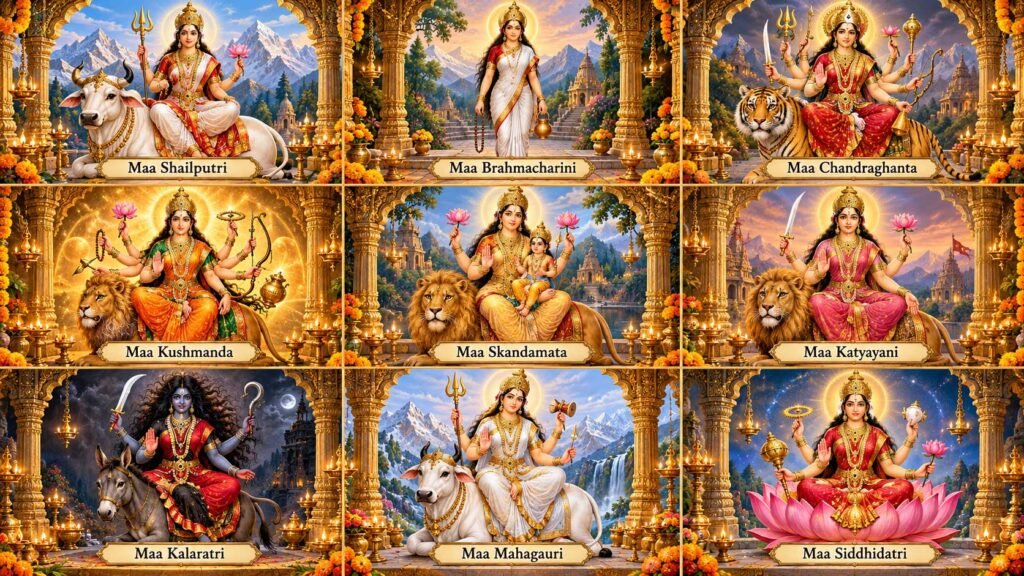
Day 1 – Maa Shailputri: Associated with strength, devotion and new beginnings.
Day 2 – Maa Brahmacharini: Represents dedication, discipline and spiritual commitment.
Day 3 – Maa Chandraghanta: Symbolises courage and protection.
Day 4 – Maa Kushmanda: Associated with creation, energy and vitality.
Day 5 – Maa Skandamata: Represents motherhood, love and care.
Day 6 – Maa Katyayani: Symbolises courage and the strength to overcome challenges.
Day 7 – Maa Kalaratri: Associated with protection and the destruction of negativity.
Day 8 – Maa Mahagauri: Represents purity, peace and renewal.
Day 9 – Maa Siddhidatri: Associated with spiritual fulfilment and blessings.
For families who observe these traditions, each day can offer an opportunity to reflect on qualities such as patience, courage, kindness, discipline and compassion.
Parents can use these stories to start conversations with children about values that matter both at home and in the wider community.

The Role of Temples and Community Organisations
Temples and cultural organisations play an important role in helping Indian Kiwi families celebrate festivals away from their ancestral homes.
During Navratri, community gatherings may include puja, devotional singing, Garba, Dandiya and opportunities for families to meet others who share similar traditions.
For people who have recently moved to New Zealand, these gatherings can also provide a sense of belonging. Meeting other families, finding cultural activities for children and participating in familiar traditions can make a new place feel more welcoming.
Volunteers also help make celebrations possible by organising venues, coordinating performances, preparing decorations and welcoming participants.
Their contribution demonstrates that festivals are not only about individual religious observance. They are also about community participation, cooperation and shared cultural experiences.
Balancing Indian Traditions with Kiwi Life
Many Indian families in New Zealand celebrate Navratri while managing full-time jobs, school schedules, childcare and other commitments.
Some families may not be able to attend every evening’s celebrations. Others may prefer a quiet home-based observance rather than large community events.
There is no single way that every Indian Kiwi family celebrates Navratri. The important thing is to respect different customs and make space for traditions that are meaningful to each household.
Families can celebrate in simple ways, such as setting aside time for prayer, preparing a traditional meal, listening to devotional music or attending a community event over the weekend.
Even small efforts can help keep cultural traditions alive across generations.
Navratri Is More Than a Festival
At its heart, Navratri represents faith, strength, devotion and the victory of good over evil. For Indian Kiwi families, it also represents the importance of preserving cultural identity while building a life in New Zealand.
The first day brings a sense of renewal. The following days offer opportunities for prayer, reflection and community participation. Garba and Dandiya bring people together through music and dance, while family traditions help children understand their cultural roots.
Whether celebrated in a temple, a community hall or the living room of a family home, Navratri reminds us that culture is kept alive through the experiences we share and the values we pass on.
For the Indian community across Aotearoa, these nine nights are an opportunity to celebrate faith, strengthen relationships and share the beauty of Indian traditions with the next generation.
At NZ Indian Insights, we believe that every cultural celebration tells a story of identity, belonging and community. This Navratri, may the festival bring happiness to families, strengthen community connections and inspire the next generation to value its heritage.
Jai Mata Di!
FAQs
When does Navratri begin in New Zealand in 2026?
Sharad Navratri begins on 11 October 2026. The main nine-day observance continues through 20 October, followed by Vijayadashami on 21 October. Families should check their preferred local Hindu calendar for specific puja timings.
How do Indian Kiwi families celebrate the first day of Navratri?
Many families begin with prayers, a diya, offerings to Goddess Durga and, where customary, Ghatasthapana or Kalash Sthapana. Some also observe fasting and attend temple ceremonies.
Where can families celebrate Navratri in Auckland?
Families can check programmes organised by the Auckland Indian Association and local Hindu temples for puja, Garba and other community activities. Confirm event details directly with the organisers before attending.
Can children participate in Navratri celebrations?
Yes. Children can join age-appropriate prayers, learn about Goddess Durga, wear traditional clothing, help prepare festive decorations and participate in family or community Garba activities.
Can children participate in Navratri celebrations?
Yes. Children can join age-appropriate prayers, learn about Goddess Durga, wear traditional clothing, help prepare festive decorations and participate in family or community Garba activities.
Disclaimer: This article provides general cultural information. Navratri dates, rituals and practices may vary according to regional customs, family traditions and local Hindu calendars. Please confirm event details with the relevant organisers.
Share your Navratri story: How does your family celebrate Navratri in New Zealand? Share your traditions and experiences with NZ Indian Insights to help celebrate the diversity of the Indian Kiwi community.
Email us at: info@nzindianinsights.com