Firefighting from the Air
Helicopters and fixed-wing aircraft provide vital support during wildfire emergencies. Their responsibilities often include:
- Dropping water directly onto active fire fronts
- Supporting firefighters on the ground
- Monitoring fire behaviour
- Transporting emergency personnel
- Protecting residential communities
These operations require exceptional coordination between pilots, air traffic controllers, and emergency command centres.
Because multiple aircraft may operate in confined airspace, maintaining safe separation is essential, particularly during periods of poor visibility caused by heavy smoke.
Investigation Underway
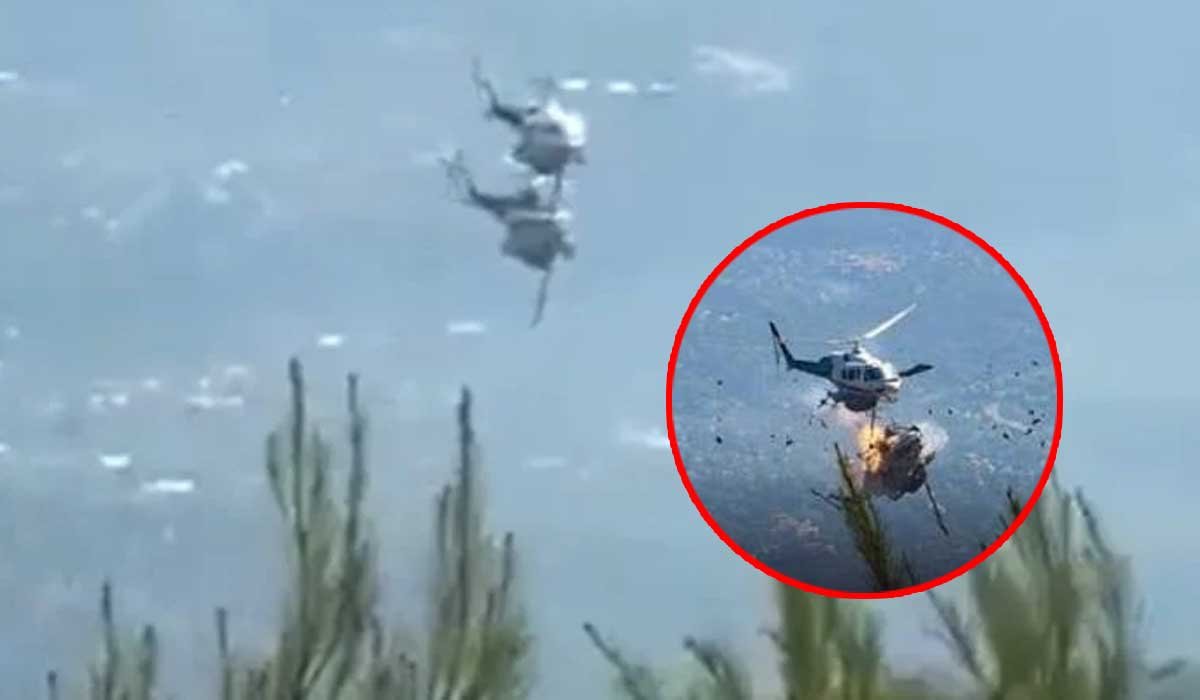
Greek authorities have begun investigating the collision to understand what happened during the operation.
Investigators are expected to examine several factors, including:
- Flight coordination procedures
- Weather conditions
- Smoke visibility
- Communication between aircraft
- Mechanical performance
- Air traffic management during firefighting missions
Officials have indicated that the findings will help improve future aerial firefighting safety and operational protocols.
The Growing Threat of Wildfires
Climate experts continue to warn that rising global temperatures are increasing both the frequency and intensity of wildfires across southern Europe.
Longer heatwaves, reduced rainfall, and extended dry seasons have created conditions where fires ignite more easily and spread more quickly than in previous decades.
Countries including Greece, Spain, Italy, Portugal, and France have all invested heavily in expanding firefighting resources, including specialised aircraft fleets and international emergency cooperation.
Risks Faced by Firefighting Pilots
Aerial firefighting remains one of the world’s most dangerous aviation professions.
Pilots often fly:
- At extremely low altitudes
- Near steep mountains
- Through thick smoke
- In rapidly changing wind conditions
- Around multiple aircraft operating simultaneously
They must make repeated water drops while maintaining precise control of their aircraft under immense pressure.
Despite advanced training and modern technology, the combination of environmental hazards and demanding flight conditions means every mission carries significant risk.
Communities Continue Recovery Efforts
While the helicopter collision has shocked the country, emergency services continue their efforts to contain ongoing fires.
Residents in affected areas have been advised to remain alert, follow evacuation instructions where necessary, and monitor official emergency updates.
Authorities are also assessing damage to forests, farmland, and infrastructure as firefighters gradually bring affected areas under control.
International Support and Cooperation
Wildfires have increasingly become a shared challenge across Europe.
Many countries now cooperate by sharing aircraft, firefighting personnel, and emergency resources during severe fire seasons.
The European Union’s civil protection mechanisms allow member nations to request assistance when fires exceed local response capabilities.
Such collaboration has become increasingly important as climate-related disasters place greater demands on emergency services.
Remembering the Fallen Crew Members
The loss of two firefighting crew members serves as a reminder of the courage shown by emergency responders who place themselves in harm’s way to protect others.
Every wildfire response depends on the commitment of firefighters, pilots, engineers, emergency coordinators, and support teams working together under difficult and often dangerous conditions.
As investigations continue, tributes have been paid to those who lost their lives while carrying out their mission to protect communities from devastating wildfires.