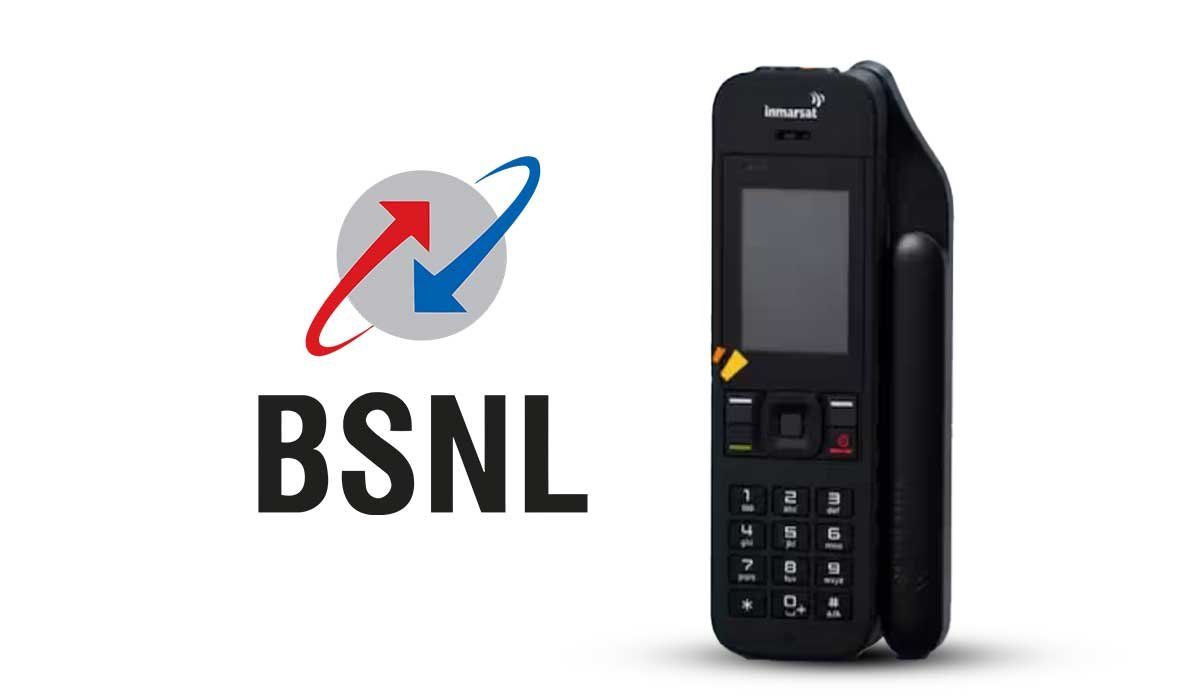
Who Is It Designed For?
Although many people may assume this phone is intended for everyday consumers, its primary purpose is much more specialised.
The satellite phone is expected to benefit:
- Disaster management teams
- Defence and security personnel
- Maritime operators
- Remote construction and mining companies
- Scientific research teams
- Emergency response organisations
- Professionals working in isolated locations
These users often operate in environments where uninterrupted communication is essential and traditional mobile networks may not be available.
Key Features
The newly announced satellite phone focuses on dependable communication rather than advanced smartphone features.
Some of its highlights include:
- Voice calling in remote locations
- SMS communication
- Connectivity without nearby mobile towers
- Rugged construction for harsh environments
- Long battery life
- Reliable communication during emergencies
Its purpose is simple: to ensure that users remain connected when standard telecom infrastructure is unavailable.
Can Satellite Phones Replace Mobile Towers?
Despite the excitement surrounding the announcement, satellite phones are unlikely to replace traditional mobile towers anytime soon.
Mobile towers remain the most practical solution for serving millions of users in cities and towns. They provide high-speed internet, support streaming services, video calls, online payments, and countless digital applications that have become part of everyday life.
Satellite communication, on the other hand, is designed for reliability rather than capacity. It is most effective in places where installing towers is either too expensive or technically challenging.
Instead of competing with each other, the two technologies work best together. Mobile towers will continue to support everyday communication, while satellite phones provide coverage where conventional networks cannot.
A Step Towards Better Emergency Communication
One of the most important advantages of satellite phones is their ability to operate during disasters.
When earthquakes, floods, landslides, or cyclones damage communication infrastructure, rescue operations often face delays because emergency teams struggle to coordinate their efforts.
Satellite communication offers an additional layer of resilience, enabling first responders to maintain contact even when terrestrial networks fail. This capability can significantly improve disaster response and public safety.
India's Growing Focus on Satellite Technology
India has been steadily expanding its capabilities in space technology and telecommunications. The introduction of satellite-based communication services reflects this broader vision of improving nationwide connectivity.
As digital infrastructure continues to evolve, satellite technology is expected to complement fibre networks, 4G, 5G, and future communication systems rather than replace them.
The goal is to ensure that people remain connected regardless of where they are.
Challenges to Wider Adoption
Although satellite phones offer significant advantages, they also come with limitations.
The devices are considerably more expensive than standard smartphones, and satellite communication plans are typically designed for specialised users. Regulatory requirements also govern who can access these services, making them different from ordinary mobile subscriptions.
For these reasons, satellite phones are expected to remain a niche solution for specific industries and emergency applications rather than becoming mainstream consumer devices.
FAQs