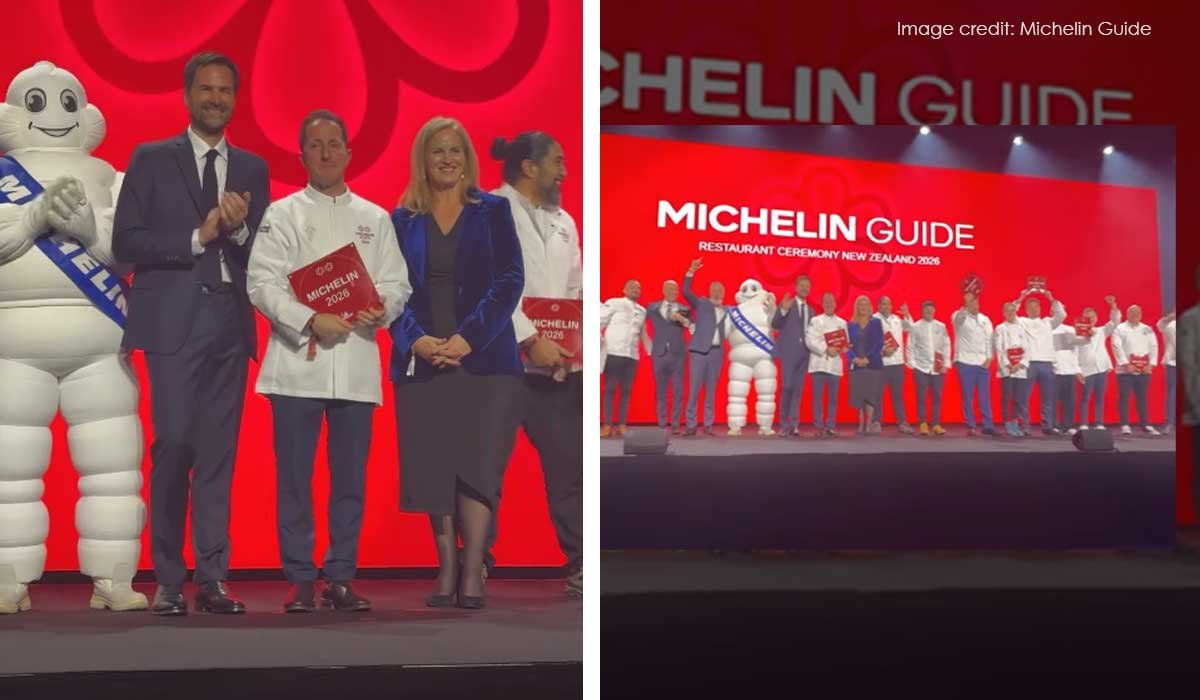
New Zealand’s culinary scene has reached a landmark moment, with a South Island restaurant earning one of the world’s most respected honours in fine dining. For the chef behind the achievement, the recognition came as a complete surprise-an emotional milestone that reflects years of dedication, creativity, and belief in showcasing local ingredients on the global stage.
For many food lovers, the Michelin Guide has long represented the highest standard of excellence in hospitality. While New Zealand has built an international reputation for premium produce, award-winning wines, and innovative chefs, Michelin recognition has remained out of reach-until now.
This achievement is more than a celebration for one restaurant. It signals that New Zealand’s dining industry is attracting growing international attention and is ready to compete alongside some of the world’s finest culinary destinations.
Related Post
A Defining Moment for Kiwi Cuisine
Receiving Michelin recognition is not simply about serving exceptional food. It reflects consistency, technical skill, creativity, quality ingredients, and the ability to deliver memorable dining experiences over time.
For chefs, earning Michelin recognition is often considered the pinnacle of their careers. Many spend decades refining their craft without ever receiving the honour.
The South Island restaurant’s achievement therefore represents years of hard work rather than overnight success.
According to reports, the chef described the moment as overwhelming and almost unbelievable. The recognition was the result of countless hours spent perfecting menus, supporting local producers, mentoring staff, and constantly raising standards.
Their reaction resonated with hospitality professionals across New Zealand, many of whom understand the dedication required to reach such an elite level.
Why Michelin Recognition Matters
The Michelin Guide has influenced global dining for more than a century.
Restaurants featured in the guide often experience increased international visibility, higher visitor numbers, and greater demand from travellers seeking world-class culinary experiences.
Beyond prestige, Michelin recognition can significantly boost tourism.
Food tourism continues to grow worldwide, with travellers increasingly planning holidays around unique dining experiences. Countries such as Japan, France, Singapore, Italy, and Australia have all benefited from Michelin-recognised restaurants attracting international visitors.
New Zealand could now see similar interest, particularly among travellers seeking authentic local cuisine combined with premium hospitality.
A Win for the South Island
The South Island has long been admired for its breathtaking landscapes, vineyards, fresh seafood, and locally sourced produce.
From alpine regions to coastal communities, chefs have access to some of the world’s finest ingredients, including seafood, lamb, venison, artisan cheeses, seasonal vegetables, and premium wines.
This recognition shines a global spotlight on everything the region has to offer.
Rather than focusing solely on major cities, international food enthusiasts may now be encouraged to explore regional destinations where exceptional culinary experiences await.
For local businesses, wineries, accommodation providers, and tourism operators, the impact could extend well beyond the restaurant itself.
Celebrating Local Ingredients
One of New Zealand’s greatest culinary strengths lies in its produce.
Fresh seafood harvested from pristine waters, premium grass-fed meats, organic vegetables, native herbs, and world-renowned wines provide chefs with exceptional building blocks for creative menus.
Modern Kiwi cuisine increasingly celebrates these natural ingredients instead of masking them with unnecessary complexity.
This philosophy has become a defining feature of New Zealand’s evolving food identity and continues to earn admiration from international visitors.
Recognition from Michelin helps reinforce the idea that outstanding cuisine begins with exceptional ingredients combined with skilled craftsmanship.
The Growing Reputation of New Zealand Dining
Over the past decade, New Zealand’s hospitality industry has undergone remarkable growth.
Independent restaurants have embraced sustainability, seasonal menus, locally sourced produce, and innovative techniques inspired by global culinary trends while maintaining a distinctly New Zealand identity.
Chefs across the country are increasingly collaborating with farmers, fishermen, winemakers, and artisan producers to create dining experiences that reflect the regions they represent.
This approach has helped establish New Zealand as an emerging destination for discerning food lovers.
The latest recognition further strengthens that reputation.
Inspiration for Future Chefs
For aspiring chefs and hospitality students, this milestone sends an encouraging message.
International recognition is no longer something that must be pursued overseas.
Young culinary professionals can now see that building a world-class career is possible while remaining in New Zealand.
This achievement demonstrates that passion, perseverance, continuous learning, and respect for quality can lead to global recognition.
It may also encourage more young people to consider careers within hospitality, an industry that has faced significant workforce challenges in recent years.
What This Means for Tourism
Food has become one of the strongest drivers of modern travel.
Visitors increasingly seek memorable experiences that connect them with local culture through cuisine.
A globally recognised restaurant often becomes a destination in its own right.
As international awareness grows, tourism authorities may have an opportunity to further promote New Zealand not only for its spectacular scenery but also for its exceptional culinary experiences.
For travellers planning future holidays, combining fine dining with wine regions, outdoor adventures, and cultural experiences creates an even more compelling reason to visit.
A Proud Moment for the Hospitality Industry
Behind every successful restaurant stands a dedicated team.
From chefs and kitchen staff to front-of-house professionals, suppliers, farmers, and producers, Michelin-level recognition reflects collective effort rather than individual achievement.
The milestone also highlights the resilience of New Zealand’s hospitality sector, which has navigated significant challenges over recent years, including labour shortages, rising operating costs, and changing consumer expectations.
Recognition at this level demonstrates the industry’s ability to adapt, innovate, and continue delivering exceptional experiences.
An Opinion: Recognition Beyond Awards
Awards matter, but they should never become the sole measure of success.
Many outstanding restaurants across New Zealand continue to serve extraordinary food without international accolades.
What this milestone truly represents is confidence.
Confidence that New Zealand’s culinary identity deserves global attention.
Confidence that local ingredients can rival the world’s best.
And confidence that talented chefs working quietly in regional communities can achieve international excellence.
Perhaps the greatest value of this achievement is not the award itself, but the inspiration it provides to an entire generation of hospitality professionals.

This historic moment may prove to be only the beginning.
As New Zealand’s culinary reputation continues to grow, more restaurants could find themselves attracting international recognition in the years ahead.
Greater exposure may encourage culinary tourism, strengthen regional economies, and provide exciting opportunities for local producers and hospitality businesses.
For diners, it means even more reasons to explore the country’s remarkable food culture.
For chefs, it offers proof that dedication and creativity can earn global respect.
And for New Zealand, it marks another proud chapter in a story that continues to showcase the country’s talent on the world stage.
Whether this is the first of many Michelin-recognised restaurants or the start of a broader culinary transformation, one thing is clear: Kiwi cuisine has earned a place in the international conversation, and the world is taking notice.
Disclaimer: This article is based on publicly available information and is intended for news and informational purposes only. Facts were accurate at the time of publication and may be updated as new information becomes available.
Read more New Zealand news and updates on NZ Indian Insights.