There are moments that quietly interrupt an ordinary day. A phone vibrates, a chair moves unexpectedly, or the floor beneath your feet gives a brief shake. Within seconds, conversations stop, people look around, and one question comes to mind: “Was that an earthquake?”
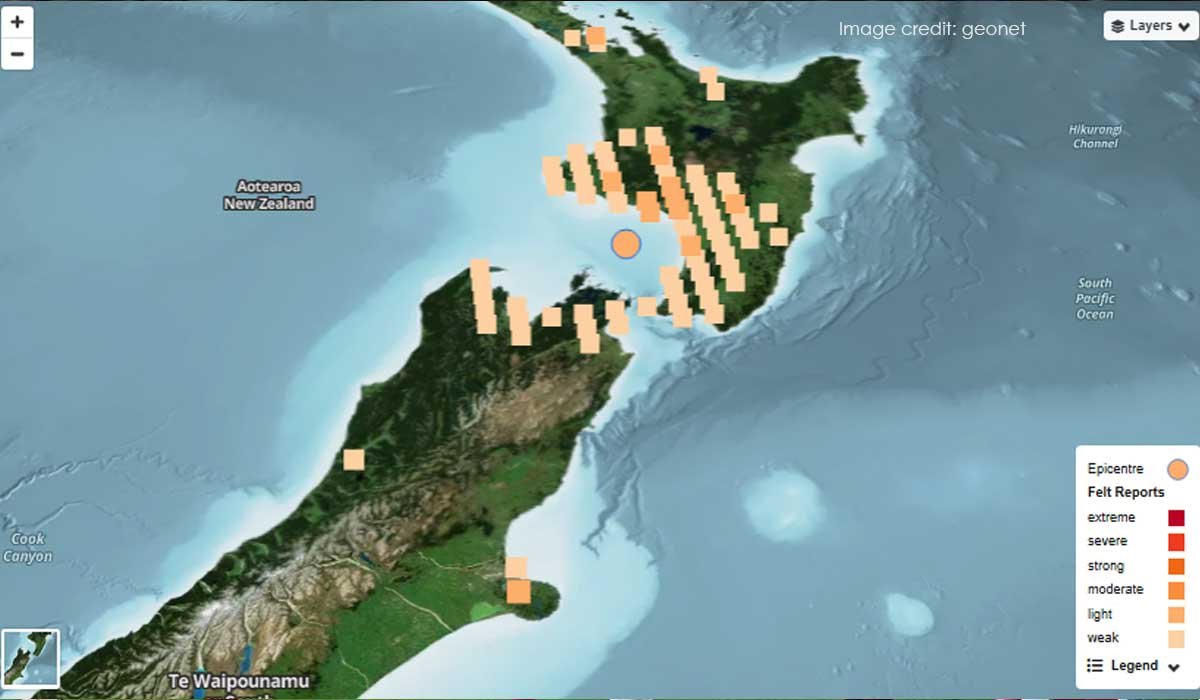
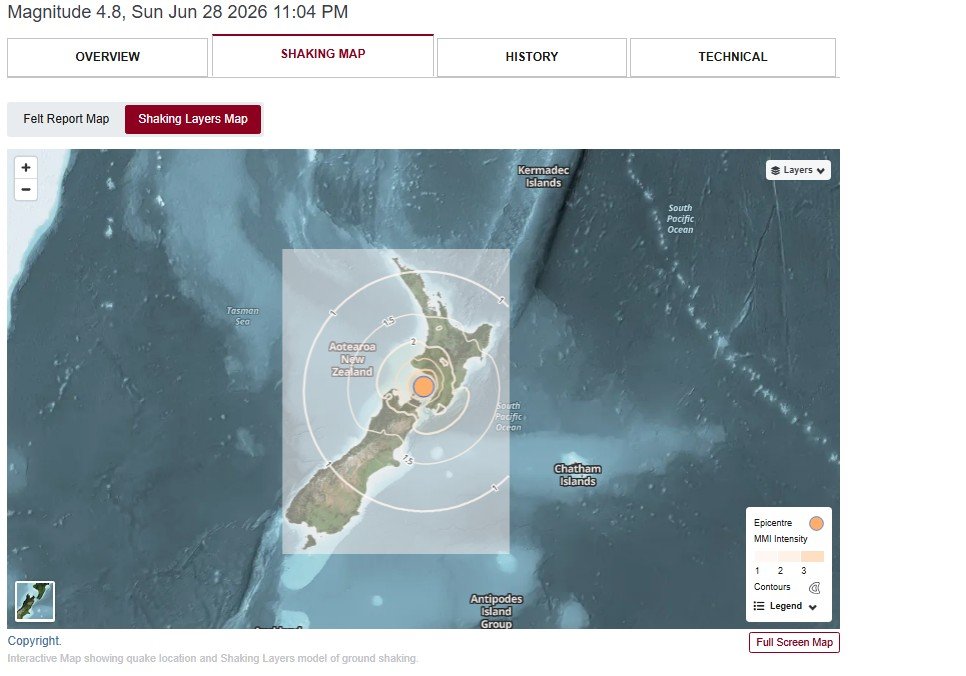
That was the experience for many people across parts of New Zealand’s lower North Island after a magnitude 4.8 earthquake was felt in the region.
The shaking was relatively short, and thankfully, there were no immediate reports of widespread damage or serious injuries. Life quickly returned to normal for most people. But events like these often leave behind something more important than physical damage-they remind us how closely New Zealanders live alongside nature.
Earthquakes Are Part of New Zealand's Story
Living in New Zealand means enjoying breathtaking mountains, beautiful coastlines, geothermal wonders, and landscapes that attract visitors from around the world. Yet those same geological forces that created this incredible scenery are also responsible for the country’s frequent earthquakes.
Unlike many natural events that can be forecast days in advance, earthquakes arrive without warning. One moment everything feels perfectly ordinary, and the next, the ground reminds us that the Earth is constantly moving beneath us.
For long-time New Zealand residents, a moderate earthquake often becomes another story to tell over dinner or at work the next day. For newcomers, international students, migrants, and tourists, however, the experience can feel surprisingly unsettling.
That difference in perspective is perfectly natural.
A Different Experience for Every Person
Not everyone experiences an earthquake in the same way.
Someone working on the tenth floor of an office building may feel a longer, swaying motion, while another person driving a car may barely notice anything. Some people instinctively stay calm, while others immediately think about their loved ones.
Social media quickly filled with familiar questions.
“Did anyone else feel that?”
“Where was the earthquake?”
“How strong was it?”
These reactions have almost become part of New Zealand culture. Within minutes, thousands of people check earthquake monitoring websites, compare experiences online, and reassure family members that everything is okay.
It’s a shared experience that connects complete strangers for a few moments.