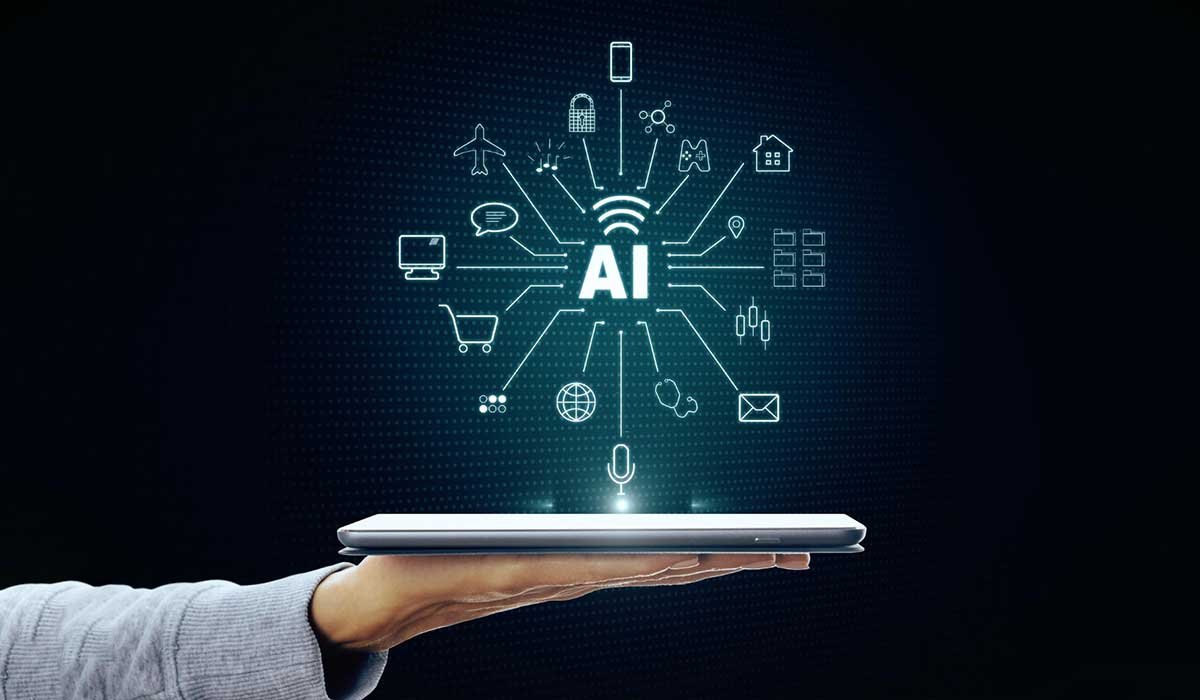
Artificial intelligence is changing faster than ever, and 2026 is proving to be a major milestone with the rise of on-device AI. Instead of depending fully on cloud servers for every task, modern devices are now becoming smart enough to process information on their own.
From smartphones and laptops to smartwatches and home devices, AI is now working directly inside the device itself. This means faster responses, stronger privacy, and better performance even without an internet connection.
This is more than just a technical improvement it is changing how people interact with technology every single day. On-device AI is making devices feel more personal, more secure, and far more efficient.
On-device AI refers to artificial intelligence models that run locally on a device rather than sending data to remote cloud servers for processing.
In the past, tasks like voice recognition, language translation, image editing, and facial recognition usually depended on internet-based cloud systems. The device would send your data to a server, wait for processing, and then receive the result.
Now, thanks to powerful AI chips, neural processors, and edge computing, many of these tasks can happen instantly on your phone, tablet, or laptop.
This reduces the need for constant internet access and creates a smoother user experience.
Faster Performance
One of the biggest reasons people are noticing on-device AI is speed.
Because the processing happens directly on the device, there is no delay caused by sending data to external servers. This creates:
- Instant responses
- Reduced latency
- Smoother app performance
- Faster voice commands
For example, unlocking your phone with face recognition or using voice search now feels almost immediate.
Better Privacy and Security
Privacy has become one of the biggest concerns in today’s digital world.
On-device AI helps solve this by keeping sensitive information inside your own device rather than uploading it to the cloud.
This offers:
- Lower risk of data leaks
- More control over personal information
- Safer handling of financial and health data
- Greater trust in AI-powered apps
For users, this creates a stronger sense of security and confidence.
Offline Functionality
Another major advantage is the ability to work without internet access.
With on-device AI, users can:
- Translate languages offline
- Use voice assistants without Wi-Fi
- Access smart features while travelling
- Continue working in low-network areas
This makes technology far more reliable, especially in places where internet connectivity is limited.
Real-World Applications in Daily Life
On-device AI is already part of everyday life, often without people even realizing it.
Smartphones
Modern smartphones use on-device AI for:
- Face unlock and fingerprint security
- Camera scene detection
- Smart photo enhancement
- Predictive text and auto-correction
- Personalized app suggestions
This makes phones feel faster and more intuitive.
Voice Assistants
Voice assistants are becoming smarter by processing commands locally.
This improves:
- Response speed
- Accuracy
- Privacy during conversations
Users get quicker answers without sending every voice request to the cloud.
Smart Cameras
AI-powered cameras can now:
- Detect objects in real time
- Improve low-light photography
- Track motion automatically
- Enhance image quality instantly
These features are becoming standard in both phones and security systems.
Real-Time Translation
Translation apps can now function offline using on-device AI, helping travelers, students, and professionals communicate more easily without internet access.