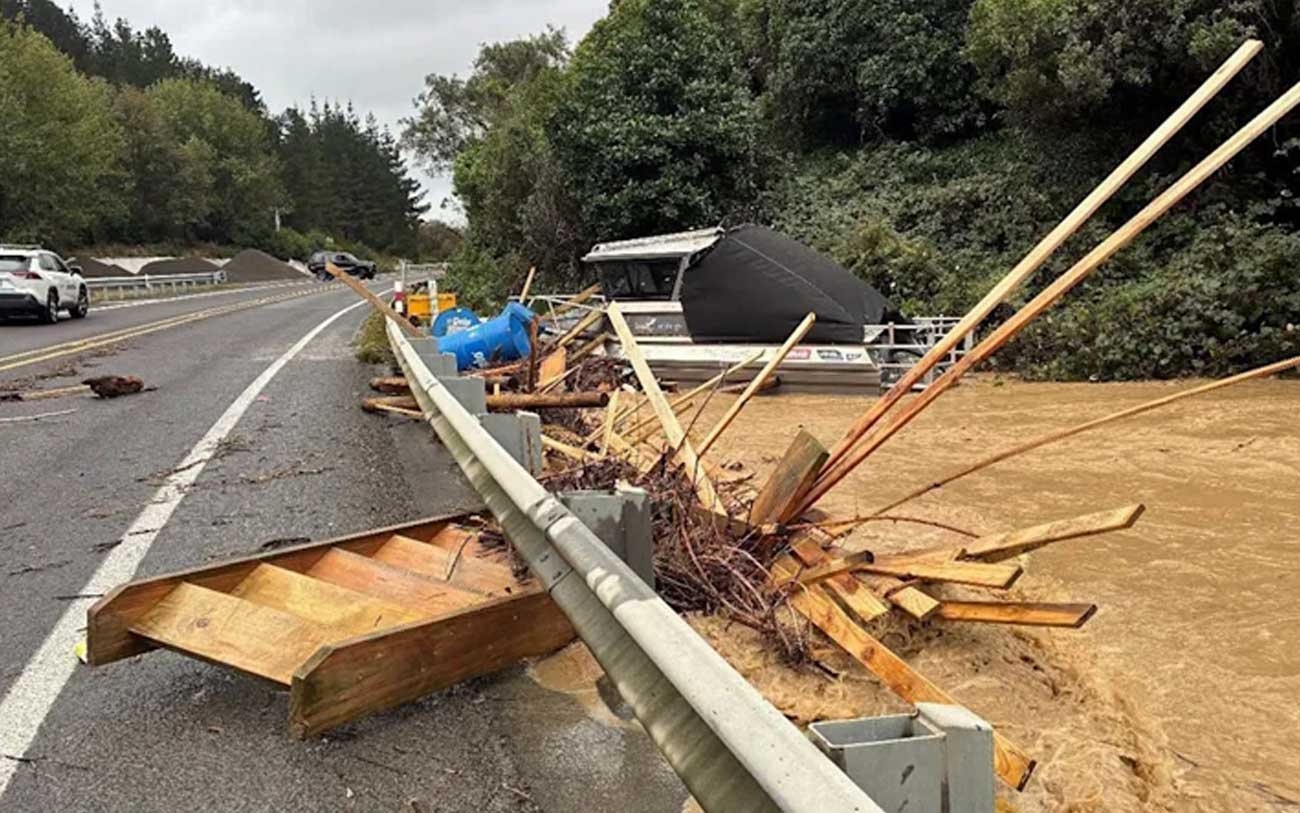
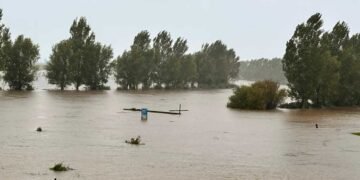
New Zealand’s capital, Wellington, has recently faced one of its most intense weather events in years, prompting authorities to declare a state of emergency. What began as heavy rainfall quickly escalated into widespread flooding, landslides, and evacuations, leaving residents and emergency services under immense pressure.
Reports indicate that parts of the city experienced extremely heavy rainfall within a short time, overwhelming drainage systems and creating dangerous flood conditions. Emergency crews responded rapidly, while residents in vulnerable areas were advised to evacuate to safer locations.
More Than Just Bad Weather: A Pattern Emerging
🌧️🔴 Update - Red Heavy Rain Warnings 🔴 🌧️
— MetService NZ (@MetService) April 20, 2026
- Red Heavy Rain Warning for Wellington excluding Porirua (2pm Mon – 9pm Tue)
- Red Heavy Rain Warning for Wairarapa (2pm Mon – midnight Tue)
Impact: Threat to life from dangerous river conditions, significant flooding and slips.… pic.twitter.com/lIi3Q6Grl2
This event is not an isolated case. In recent times, New Zealand has seen multiple severe weather incidents, including cyclones, floods, and strong wind events impacting different regions.
Related Post
From an opinion perspective, this raises a key concern:
Are these extreme weather events becoming the new normal?
Climate experts have long suggested that such patterns may increase in both frequency and intensity. Wellington, already known for unpredictable weather, now appears to be facing even more extreme conditions.

Why the State of Emergency Matters
Declaring a state of emergency is a serious step and not taken lightly. It allows authorities to act quickly and efficiently by:
- Evacuating people from high-risk zones
- Restricting access to dangerous areas
- Coordinating emergency services more effectively
This level of response highlights the severity of the situation and the risk posed to public safety and infrastructure.
Impact on Daily Life and Infrastructure
The effects of this weather event extended far beyond temporary disruption:
- Roads were closed due to flooding and landslides
- Homes suffered damage and water intrusion
- Emergency shelters were activated
- Public transport and daily routines were affected
For many residents, the situation escalated quickly, forcing sudden evacuations and creating uncertainty overnight.
New Zealand is often praised for its strong emergency management systems. However, events like this reveal a gap between preparedness and real-world challenges.
While the response was quick and organized, the scale of the situation raises an important question:
Are urban areas like Wellington fully prepared for increasingly extreme weather events?
Existing infrastructure, especially drainage and flood control systems, may not be designed for such intense rainfall within short periods.
The Bigger Climate Conversation
This emergency should be viewed as more than a one-time incident—it reflects a broader climate concern.
Across New Zealand, there have been:
- Repeated flooding incidents
- Severe storm impacts
- Increasing frequency of emergency declarations
These trends suggest that climate patterns are changing, requiring long-term planning and proactive strategies.
Why was a state of emergency declared in Wellington?
Due to severe rainfall leading to flooding, landslides, and safety risks.
What powers do authorities have during a state of emergency?
They can evacuate residents, restrict access, and manage emergency resources efficiently.
Is Wellington prone to such weather events?
Wellington is known for strong winds and rain, but recent events have been more extreme.
Are extreme weather events increasing in New Zealand?
Recent patterns suggest a rise in frequency and intensity of such events.