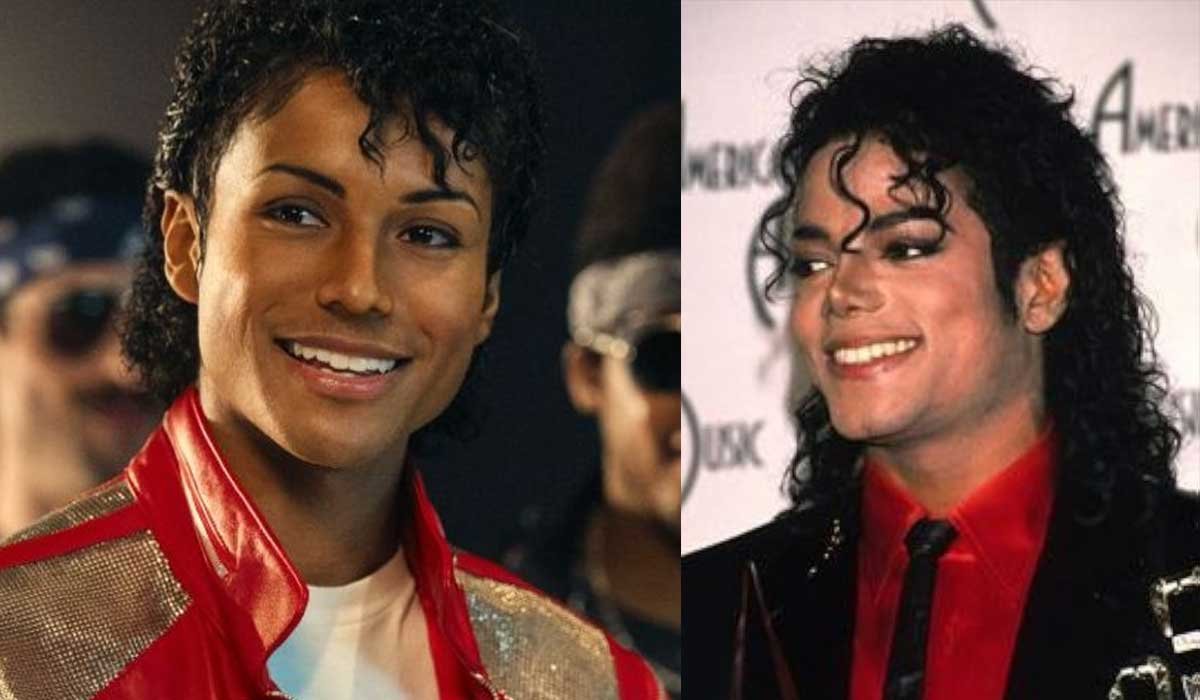
The upcoming biopic Michael, based on the life of Michael Jackson, is already making headlines but not entirely for the reasons filmmakers might have hoped. While fans are excited to relive the music and magic, critics are raising a deeper concern: is this film telling the full story, or just a carefully polished version of it?
The “Whitewash” Debate: Why Critics Are Speaking Out
Several early reviews and industry voices have labelled the film a “whitewash,” arguing that it avoids the most controversial chapters of Jackson’s life.
The biggest issue? The film reportedly omits abuse allegations and personal struggles, focusing instead on Jackson’s rise to fame and musical achievements.
Related Post
This selective storytelling has led critics to question whether the film is a true biopic—or simply a tribute designed to protect a legacy.
Legal Limits or Creative Choice?
One of the key reasons behind these omissions appears to be legal. Reports suggest that earlier versions of the film included references to allegations from the 1990s, but these scenes had to be removed due to legal restrictions tied to past settlements.
This raises an important question:
Is the film incomplete by necessity or by design?
Because when legal boundaries shape storytelling, the result can feel less like history and more like a curated narrative.
A Safe Story in a Complex Era
The final version of Michael reportedly ends before the most controversial years of Jackson’s life, avoiding difficult discussions altogether.
Instead, it leans heavily into:
- His childhood and early fame
- The Jackson 5 era
- His global superstardom
- Iconic performances and music legacy
While this approach may appeal to fans, critics argue it creates a “sanitized” or “fantasy-like” version of reality.
Divided Reactions: Fans vs Critics
Interestingly, the backlash is not universal.
- Fans are likely to embrace the film for its nostalgia and celebration of music
- Critics are pushing for a more honest, balanced portrayal
Even within Jackson’s own circle, reactions appear mixed, with some voices questioning the film’s accuracy and depth.
This divide highlights a broader issue in modern storytelling:
Should biopics entertain or should they confront uncomfortable truths?
The Bigger Picture: Biopics in the Age of Image Control
The controversy around Michael reflects a larger trend in Hollywood. Many modern biopics, especially those backed by estates or families, tend to prioritize image preservation over full transparency.
In this case, critics argue the film may function more as:
- A brand protection tool
- A legacy celebration project
- Rather than a fully investigative biography
And that’s where the “whitewash” criticism gains weight.

There’s no denying the cultural impact of Michael Jackson. His music changed the world, and any film capturing that journey will draw attention.
But the real debate isn’t about whether the film is entertaining—it’s about whether it is complete.
- If a biopic avoids controversy, can it still claim to tell the truth?
- Or does it become just another polished version of history?
For audiences, the answer may lie somewhere in between.
Why is the Michael Jackson biopic facing backlash?
Critics say the film avoids major controversies, including abuse allegations, leading to claims of a “whitewashed” narrative.
Did the film originally include controversial topics?
Yes, reports suggest earlier versions included them, but they were removed due to legal restrictions.
What does the biopic focus on instead?
The film highlights Jackson’s early life, musical success, and iconic performances.
Will the movie still be successful?
Despite criticism, it is expected to perform strongly due to Jackson’s global fan base and legacy.
Disclaimer
This article is an independently created opinion-based summary for informational purposes only. It does not claim ownership of any original news content and is intended to present a balanced perspective based on publicly available reports.