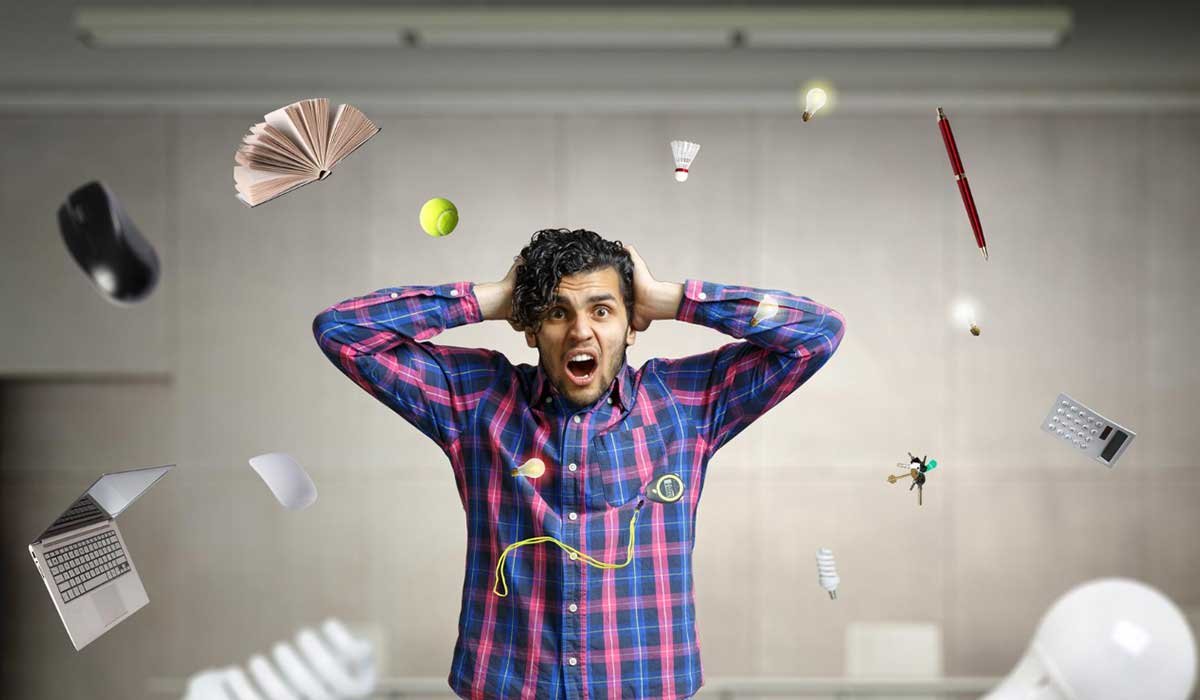
Choosing what to eat for dinner, what to watch after work, what to wear for an event, or even which route to take home used to feel like simple parts of daily life. Today, however, even these small choices can feel unexpectedly exhausting.
Many people find themselves spending more time thinking about decisions than actually making them. What should be quick and easy often turns into overthinking, second-guessing, and mental fatigue.
Modern life has made convenience more accessible, but it has also introduced a new challenge—too many choices.
Too Many Options Everywhere
One of the biggest reasons simple decisions feel harder today is the sheer number of options available.
Take entertainment as an example. Instead of switching on the television and watching what’s available, people now scroll endlessly through multiple streaming platforms trying to decide what to watch. The same happens with food dozens of restaurants, delivery apps, cuisines, and reviews make choosing dinner feel like a project.
Shopping has also changed. Whether buying clothes, electronics, or groceries, consumers are faced with countless brands, comparisons, discounts, and opinions. Social life can feel similar, with invitations, plans, schedules, and expectations competing for attention.
While having options is often seen as a good thing, too much choice can create mental overload. Instead of feeling free, people often feel stuck.
Understanding Decision Fatigue
This is where decision fatigue comes in.
The human brain has a limited amount of mental energy for making decisions each day. Every choice big or small uses part of that energy. By the time someone reaches the end of the day, even simple decisions can feel frustrating.
This is why deciding what to cook at night can feel harder than handling work tasks in the morning. It is not laziness it is mental exhaustion.
Repeated small choices like replying to messages, planning errands, choosing meals, managing schedules, and handling digital notifications all quietly drain focus throughout the day.
Over time, this constant mental load can leave people feeling overwhelmed without fully understanding why.
The Pressure of “Choosing the Right Thing”
Another reason decisions feel heavier today is the pressure to make the “best” choice.
People are no longer just choosing they are trying to optimise every decision.
Which meal is healthiest?
Which purchase gives the best value?
Which career move is smartest?
Which weekend plan is the most productive?
Even leisure comes with pressure. Relaxation often feels like it must be useful, efficient, or socially valuable.
Social media adds to this by constantly showing how others live, work, travel, and spend their time. This creates comparison and the feeling that every decision should lead to the best possible outcome.
As a result, small choices begin to feel far more important than they really are.
Why Simplicity Matters
Many people are now trying to reduce decision fatigue by simplifying daily routines.
Meal planning, capsule wardrobes, fixed morning habits, and screen-time limits are all examples of reducing unnecessary choices. These small systems help protect mental energy for decisions that truly matter.
Simplicity is not about having fewer opportunities it is about creating more peace.
Sometimes, choosing “good enough” is healthier than constantly searching for “perfect.”