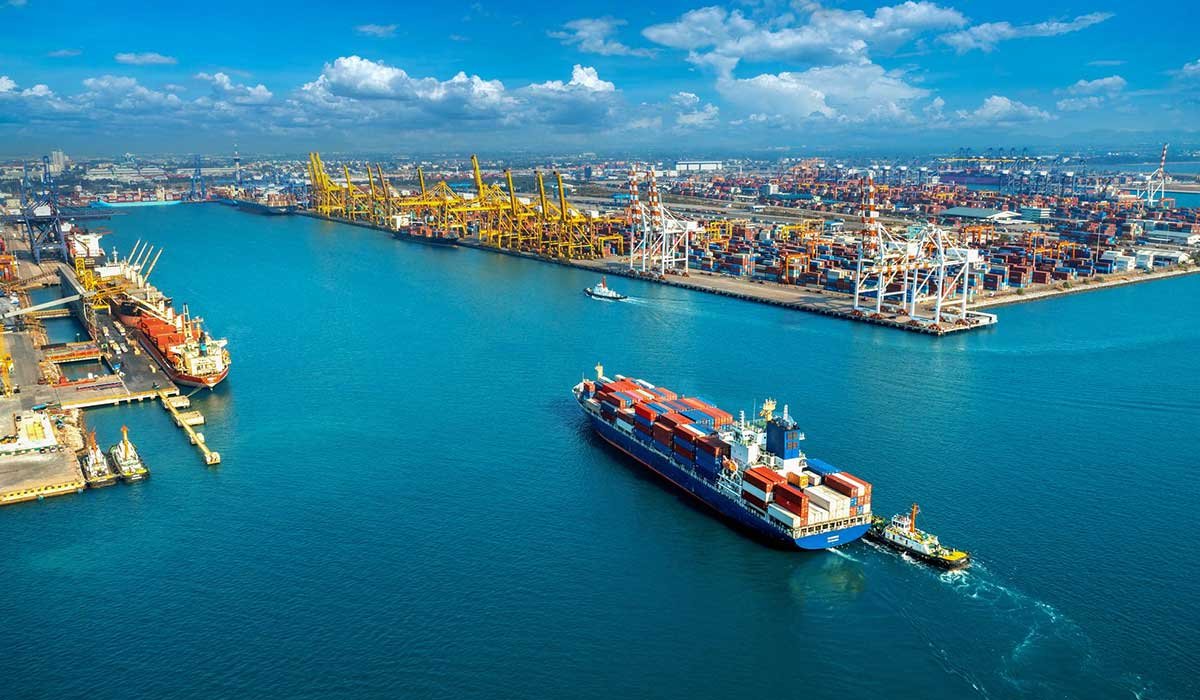
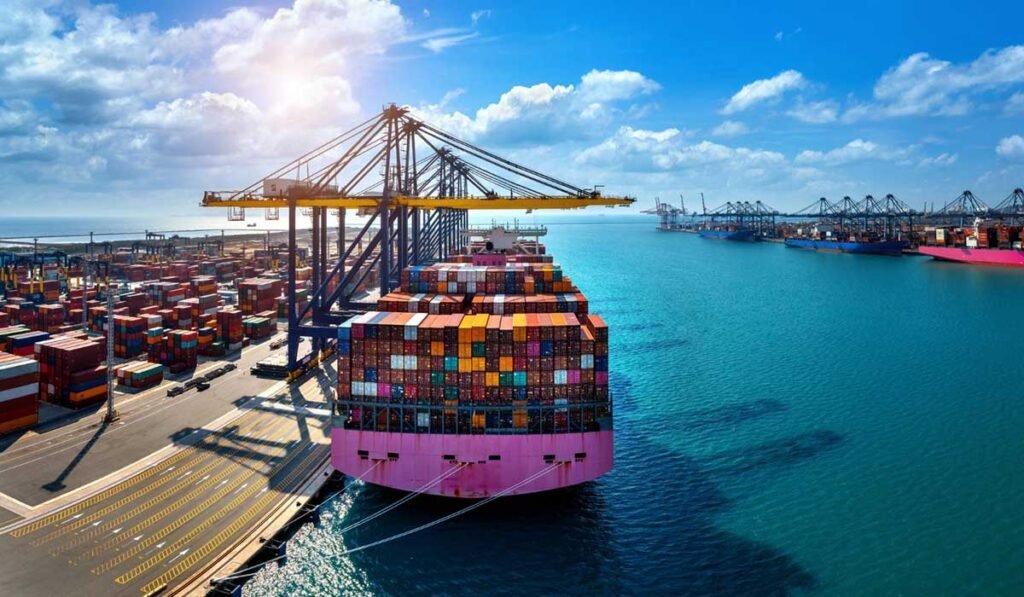
For many years, globalisation shaped how the world worked. Countries traded freely, businesses expanded across borders, and supply chains stretched from one continent to another. It created opportunities, faster growth, and stronger international connections.
However, in 2026, the global economy is experiencing a major change. Many countries are now focusing more on self-reliance rather than complete dependence on international trade. Rising geopolitical tensions, supply chain disruptions, inflation, and economic uncertainty have pushed governments and businesses to rethink their strategies.
This growing transformation is often called the global trade shift. The big question is no longer whether change is happening—but whether globalisation is slowing down or simply taking a new shape.
Rise of Local Manufacturing
One of the clearest signs of this shift is the strong return of local manufacturing. Governments are encouraging businesses to produce more within their own borders instead of relying heavily on imports.
Countries like the United States, India, and China are actively promoting “make local” policies to strengthen domestic industries. The goal is simple: improve economic security and reduce dependence on foreign suppliers.
This move is driven by several reasons:
- Protecting national economies from global disruptions
- Creating more local jobs
- Supporting domestic industries
- Improving supply chain stability
Industries such as electronics, pharmaceuticals, automobiles, and essential goods are now seeing major investments in local production.
Trade Wars and Rising Tariffs
Trade tensions between major economies have also played a huge role in reshaping global commerce. The ongoing economic rivalry between the United States and China continues to impact international markets.
Higher tariffs, import restrictions, and changing trade agreements have made global business more complicated. Companies that once relied on one major market are now diversifying their operations to reduce risk.
While tariffs are often introduced to protect domestic industries, they also bring challenges such as:
- Higher prices for consumers
- Slower international trade growth
- Increased uncertainty for businesses
This creates a more cautious and competitive global market.
Supply Chains Are Changing
Global supply chains have changed significantly in recent years. Businesses no longer want to depend on a single country for manufacturing and sourcing.
Instead, many companies are adopting smarter strategies like:
- The “China + 1” approach
- Regional supply chains
- Nearshoring and reshoring production
Countries like Vietnam, Mexico, and parts of Southeast Asia are becoming strong alternative manufacturing hubs.
This restructuring improves resilience, but it also increases costs and operational complexity for businesses trying to stay competitive.
Is Globalisation Really Slowing Down?
The answer is not exactly.
Globalisation is not disappearing it is evolving. Physical goods may be becoming more local, but digital trade, technology services, remote work, and cross-border investments continue to grow rapidly.
Today’s world is moving toward a more balanced system where countries want both global access and local strength.
In simple words:
Globalisation is not ending it is being redefined for a new economic era.