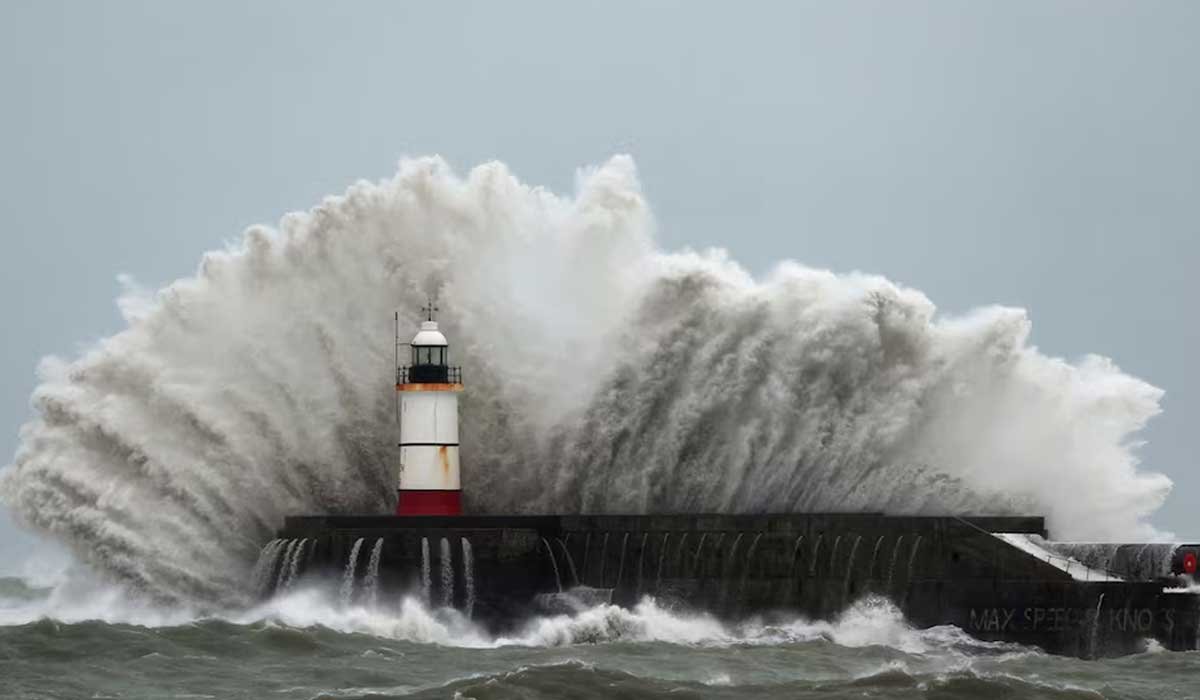
The United Kingdom is facing a difficult period of weather recovery after two powerful storms, Storm Austen and Storm Boelo, brought damaging winds, heavy rainfall, flooding and widespread power outages across parts of the country. The severe conditions have also caused transport disruption, school closures and damage to buildings and infrastructure.
As of Monday, 26 October 2026, two men had died in separate incidents involving falling trees, while thousands of properties remained without electricity. Emergency services, electricity network operators and local authorities were continuing their response as forecasters warned that further unsettled weather could bring additional disruption.
The storms arrived in quick succession, highlighting the challenges communities face when strong winds and heavy rain affect the country over several consecutive days.
Related Post
Two Fatal Incidents Reported During Severe Weather
Two men lost their lives on Sunday in separate incidents involving falling trees.
In south-west Scotland, a 60-year-old man died after being struck by a falling tree in the Dumfries and Galloway area. Emergency services attended the scene, but the man was pronounced dead.
A second fatal incident occurred in north London, where a man in his twenties died after a tree fell onto the car he was driving. Police were called to the incident in the Finchley area, and he was pronounced dead at the scene.
The incidents underline the dangers posed by powerful winds, particularly when trees, branches and other objects become unstable.
Two women were also taken to hospital after being struck by another falling tree in Aberfeldy, Perth and Kinross, Scotland.
Authorities have urged people to take weather warnings seriously and avoid unnecessary exposure to dangerous conditions, especially around trees, coastal areas and objects that could be blown over.
Storm Boelo Brings Winds of Up to 84mph
Storm Boelo brought some of the most severe conditions to northern parts of the UK over the weekend. Strong winds affected Scotland, parts of Northern Ireland and northern England, with particularly powerful gusts recorded in exposed locations.
Wind speeds reached approximately 84mph in parts of Scotland, according to weather reports. Such conditions can bring down trees, damage buildings, dislodge outdoor objects and interfere with electricity and transport networks.
Heavy rainfall added to the problems. Some areas of Scotland received rainfall equivalent to around one-third of their average monthly total in a short period, increasing concerns about localised flooding and difficult road conditions.
Coastal communities were also exposed to powerful waves and water surges. In Largs, North Ayrshire, floodwater moved through parts of the town, affecting streets and businesses. Images and video from the area showed the impact of the storm on local communities.
The combination of strong winds, heavy rain and coastal conditions made the weekend particularly challenging for residents and emergency responders.
Storm Austen Adds to the Disruption
Storm Boelo followed Storm Austen, which had already brought strong winds to southern parts of the UK earlier in the week.
The two systems affected different regions but arrived close enough together to create a prolonged period of unsettled weather. Communities dealing with the aftermath of the first storm then faced another round of strong winds and heavy rain.
Storm Austen affected areas including south-west England, with damaging gusts reported in exposed locations. Its impact was followed by the arrival of Boelo in northern parts of the country.
When storms occur in quick succession, recovery work can become more complicated. Electricity crews may have to respond to new faults while repairing existing damage, and fallen trees or damaged roads can make it harder for emergency teams to reach affected locations.
The back-to-back storms also placed pressure on transport operators and local services working to restore normal conditions.
Thousands of Properties Remain Without Electricity
Power outages became one of the most significant consequences of the storms.
The Energy Networks Association reported that approximately 838,700 properties had experienced power cuts during Storm Boelo and Storm Austen. By Monday morning, around 39,000 customers were still without electricity, although the number of affected properties varied as repairs progressed.
Electricity network teams were working to reconnect customers and repair damaged infrastructure. However, high winds and unsafe working conditions can delay repairs, particularly where fallen trees, damaged cables or other hazards are involved.
Power cuts can have consequences beyond lighting and heating. Households may lose access to cooking facilities, internet connections and essential electrical equipment. Businesses can also experience interruptions, while people who rely on powered medical equipment may require additional support.
Residents affected by outages should follow advice from their electricity provider, keep mobile devices charged whenever power is available and avoid approaching fallen power lines. Damaged electrical infrastructure should be reported to the relevant network operator or emergency service.
School Closures and Transport Disruption
The effects of the storms extended into education and transport.
In Aberdeenshire, several primary schools were unable to open on Monday because of electricity outages. Ellon Academy was also closed following storm damage, while additional schools in the Highlands faced closures linked to the weather and local service interruptions.
School closures can create challenges for families, particularly parents who must rearrange childcare or working hours at short notice. Local authorities and schools are responsible for communicating reopening arrangements and any changes to normal schedules.
Road and rail networks were also affected. Fallen trees, debris, damaged road surfaces and flooding caused closures and delays in parts of Scotland and northern England. Rail operators introduced restrictions and suspended services on some sections while infrastructure was inspected and cleared.
Some flights were cancelled or diverted because of difficult weather conditions. Ferry services and coastal transport also faced disruption in exposed areas.

Fresh Weather Warnings Raise Further Concerns
Although the strongest conditions associated with Storm Boelo had eased in some areas, the weather threat had not completely passed.
The UK Met Office issued a further yellow warning for wind covering parts of north-west England, Northern Ireland, south-west England, south-west Scotland, Strathclyde and Wales. The warning was scheduled to run from Monday evening into the early hours of Tuesday.
Forecasts indicated that inland gusts could reach approximately 45–50mph, with stronger gusts of around 60–65mph possible along exposed coasts and higher ground. Heavy rain was also expected at times.
Additional warnings were anticipated for parts of the UK as another area of low pressure approached. While the developing system was not expected to be as powerful as the recent storms, further rain and strong winds could still cause localised problems.
Flood warnings and alerts were also in place in several regions. People living in areas prone to flooding were encouraged to monitor local updates and prepare for possible disruption.
How Residents Can Stay Safe During Storms
Weather conditions can deteriorate quickly during severe storms, making preparation and reliable information especially important.
Residents can take several practical steps to reduce risk:
Follow official warnings: Check updates from the Met Office, local councils and emergency services.
Avoid unnecessary travel: Delay journeys when conditions are dangerous, particularly in areas with strong winds, flooding or fallen trees.
Secure outdoor items: Where it is safe to do so, secure garden furniture, bins and other objects that could be blown away.
Stay away from damaged infrastructure: Never touch fallen electricity cables or approach damaged power equipment.
Prepare for power cuts: Keep essential supplies, torches, charged phones and power banks available.
Check on vulnerable neighbours: Offer assistance where appropriate, without putting yourself in danger.
Check travel updates: Confirm that roads, trains and flights are operating before leaving home.
People should never walk or drive through floodwater when its depth or current is uncertain. Even apparently shallow water can conceal hazards or become dangerous very quickly.
Disclaimer: Information is based on available news reports as of 26 October 2026. Details may change; please follow official updates for the latest information.