
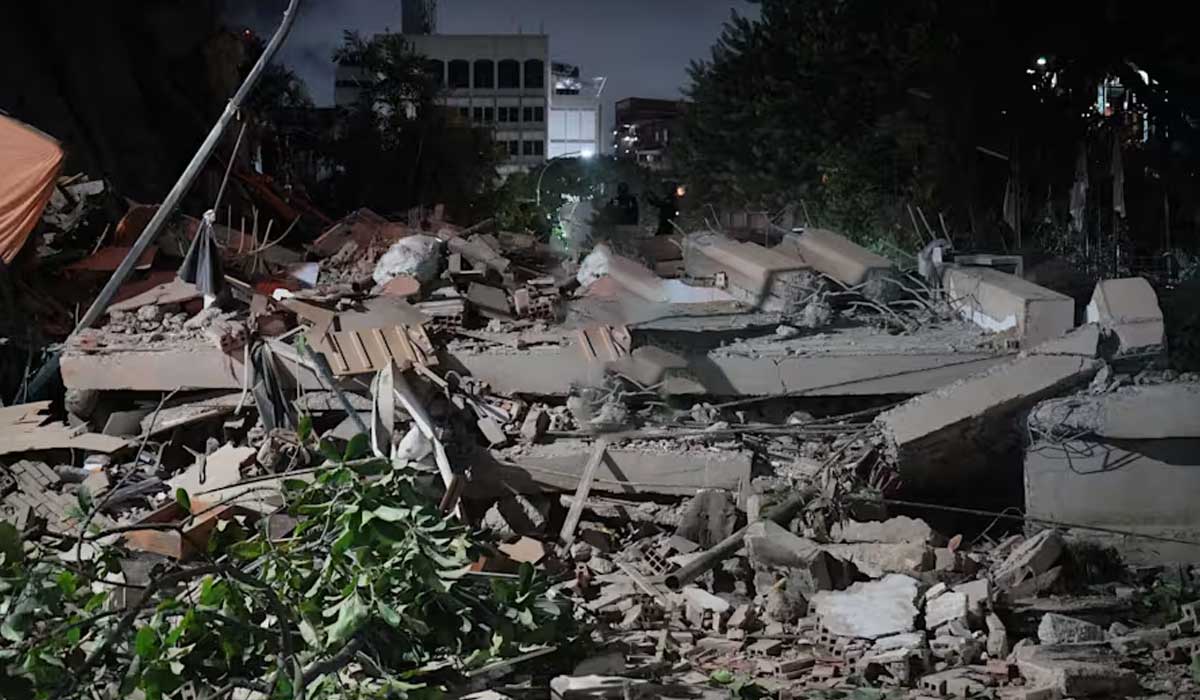
Venezuela has been shaken by what experts describe as the country’s most powerful earthquakes in more than a century, leaving communities shocked, infrastructure damaged, and emergency services scrambling to respond.
The back-to-back earthquakes struck western Venezuela on June 24, sending powerful tremors across large parts of the country. The first quake measured around 7.2 in magnitude and was followed moments later by an even stronger 7.5 magnitude earthquake. The seismic event was so powerful that residents reported feeling the shaking hundreds of kilometres away, while authorities rushed to assess the extent of the damage.
Buildings Damaged And Communities Disrupted
Early reports indicate that several buildings suffered significant structural damage, particularly in and around the capital city of Caracas. Videos and images shared by residents showed damaged buildings, debris-covered streets, and people gathering in open areas after evacuating homes and workplaces.
Related Post

Authorities also reported disruptions to communications and transportation systems. Venezuela’s main international airport experienced damage severe enough to force its temporary closure, while some schools suspended classes as safety inspections began. Emergency responders were deployed across affected regions to evaluate risks and assist residents.
Search and rescue operations continued through the night as officials worked to determine the number of injuries and assess the condition of critical infrastructure. Concerns remain high due to the strength of the quakes and the widespread impact reported across multiple states.

Why These Earthquakes Matter
Earthquakes are not uncommon in parts of South America, but seismic events of this magnitude are relatively rare in Venezuela. Historical records show that the country has experienced devastating earthquakes in the past, including catastrophic events that caused widespread destruction and loss of life.
What makes this latest disaster particularly significant is its sheer strength. Geological assessments suggest these may be the strongest earthquakes to strike Venezuela in well over a century, making them among the most consequential natural disasters in the country’s modern history.
Scientists explain that when two large earthquakes occur within seconds of each other, the impact can be especially destructive. Structures weakened by the first shock may suffer additional damage when the second, often stronger, tremor arrives. This double impact can overwhelm buildings, emergency systems, and communities attempting to react quickly.
State Of Emergency Declared
In response to the disaster, Venezuelan authorities declared a state of emergency and urged citizens to remain calm while rescue and recovery efforts continue.
Government officials called on healthcare workers and emergency personnel to report for duty, while disaster response teams began inspecting roads, bridges, airports, and public buildings. Several aftershocks were also recorded, increasing concerns for residents returning to damaged structures.
International agencies and neighbouring countries have also been monitoring the situation closely. Emergency experts warn that strong aftershocks often follow major earthquakes and can sometimes cause additional damage to already weakened buildings.
A Human Story Behind The Headlines
When news breaks about a major earthquake, the first numbers people notice are usually the magnitude and damage estimates. But behind every seismic event are ordinary families suddenly facing uncertainty.
Parents rush to locate children. Elderly residents struggle to leave damaged homes. Business owners wonder whether their livelihoods can survive. Communities that felt safe just hours earlier are forced to adapt to a new reality.
That human side of disasters is often lost amid statistics and technical reports.
Watching scenes emerge from Venezuela serves as a reminder that natural disasters do not discriminate. Whether someone lives in a major city or a small town, a powerful earthquake can change lives in seconds.
The resilience shown by affected communities is often extraordinary. Across the world, earthquake survivors consistently demonstrate remarkable courage, helping neighbours, sharing resources, and supporting recovery efforts long after headlines fade.
Lessons For The Rest Of The World
Major earthquakes like those seen in Venezuela also raise broader questions about preparedness.
Are buildings designed to withstand seismic activity?
Do communities know what to do during an earthquake?
Are emergency services equipped for large-scale disasters?
While many countries invest heavily in earthquake-resistant construction and early warning systems, recent events show that no nation is completely immune to the challenges posed by powerful natural forces.
Preparedness, public education, and resilient infrastructure remain critical tools for reducing risks when earthquakes strike.
Recovery Will Take Time
As emergency crews continue their work, the full extent of the damage may not be known for days or even weeks.
Authorities face the difficult task of restoring services, supporting affected residents, and assessing long-term rebuilding needs. The economic impact could also be significant, particularly if transportation networks, public facilities, and commercial centres require major repairs.
For now, the focus remains on public safety, rescue operations, and helping communities recover from one of the most powerful seismic events Venezuela has experienced in generations.
The earthquakes may have lasted only moments, but their impact will likely be felt for months—and perhaps years—to come.
The powerful back-to-back earthquakes that struck Venezuela are a sobering reminder of nature’s unpredictability. Beyond the headlines and seismic measurements lies a story of communities facing immense challenges while demonstrating resilience and determination.
As recovery efforts continue, the world watches and hopes for the safety and recovery of those affected. The disaster serves as a powerful reminder that preparedness, strong infrastructure, and community support remain essential in the face of natural disasters.
FAQs
How strong were the earthquakes that hit Venezuela?
The earthquakes measured approximately 7.2 and 7.5 in magnitude, occurring within moments of each other.
Were the earthquakes felt outside Venezuela?
Yes. Reports indicated tremors were felt across large areas of the region, including parts of neighbouring countries.
Why are these earthquakes considered historic?
Experts believe they are among the strongest earthquakes to strike Venezuela in more than 100 years.
What damage has been reported so far?
Authorities have reported damaged buildings, airport disruptions, communication issues, and emergency responses across several states.
Stay informed with the latest international news, world affairs, and breaking global developments in our Global Updates section.
Disclaimer: This article is based on publicly available reports and information available at the time of publication. Details may change as the situation develops.