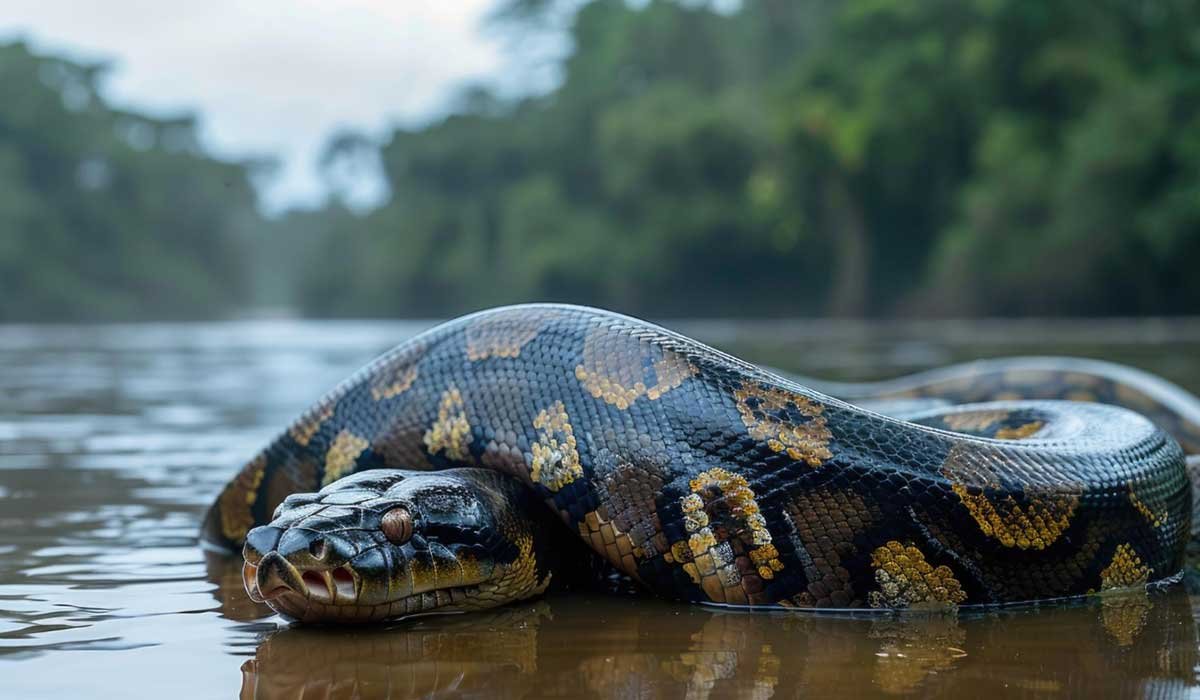
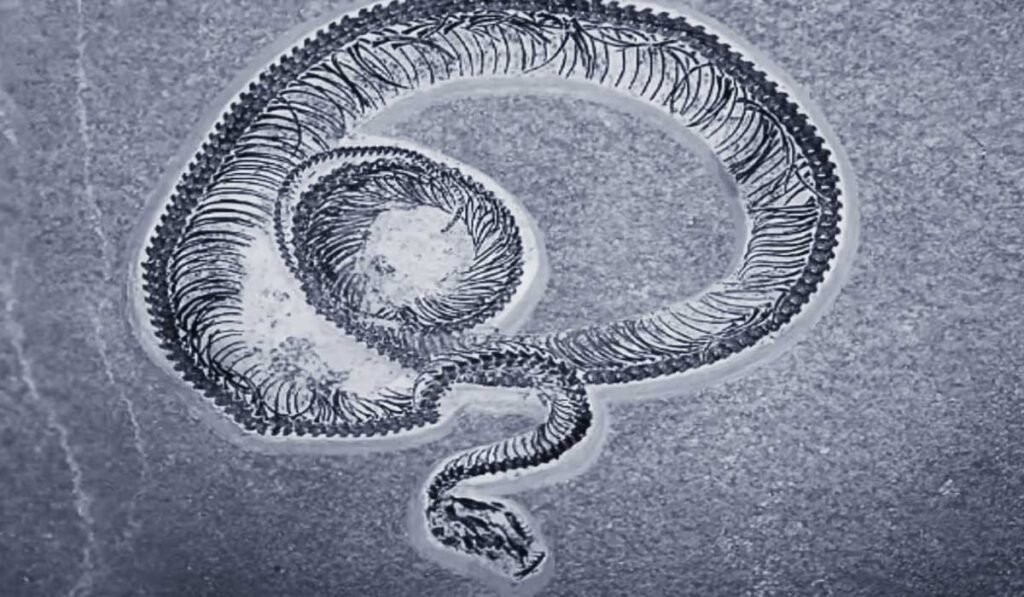
Imagine a snake as long as a bus, silently moving through ancient swamps millions of years ago. Sounds like a myth, right? But recent fossil findings in India suggest this might have been very real.
Scientists have identified an ancient snake species called Vasuki indicus, believed to be one of the largest snakes ever discovered. This finding is not just another fossil story it’s a reminder of how extraordinary Earth’s past truly was.
Source: Based on recent scientific reports and media coverage
What Exactly Was Vasuki indicus?
The newly identified species, Vasuki indicus, lived around 47 million years ago during the Middle Eocene period in what is now Gujarat, India.
What makes it stand out? Its size.
- Estimated length: 36 to 50 feet (11–15 meters)
- Possibly weighed close to a tonne
- Belonged to an extinct snake family called Madtsoiidae
To put it simply, this wasn’t just a big snake it was a prehistoric giant that could rival or even challenge the legendary Titanoboa.
Why This Discovery Matters More Than Headlines Suggest
At first glance, this story feels like just another “giant creature found” headline. But if you look deeper, it raises some fascinating points.
1. India’s Fossil Record Is Underrated
India is often overlooked in global paleontology discussions. Discoveries like Vasuki indicus prove that the region holds massive untapped prehistoric secrets.
2. Climate Played a Big Role
Scientists believe ancient Earth was much warmer, which likely allowed cold-blooded reptiles like snakes to grow to enormous sizes.
This makes you think—
If climate conditions change again, how might wildlife evolve in the future?
3. Mythology Meets Science
The name “Vasuki” comes from Hindu mythology—the serpent king associated with Lord Shiva.
It’s fascinating how ancient myths sometimes align with real discoveries. Maybe those stories weren’t entirely imaginary after all.