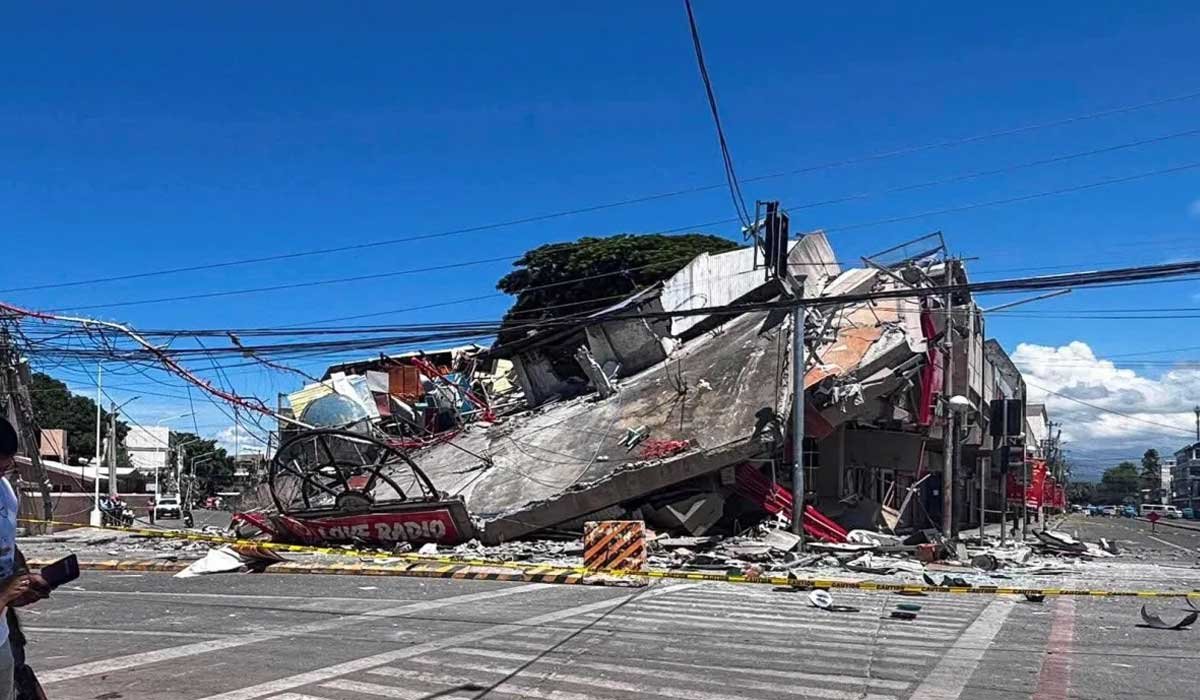
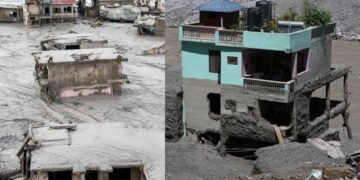
A devastating 7.8 magnitude earthquake struck the southern Philippines on Monday, leaving at least 35 people dead and more than 100 injured. The powerful tremor shook large parts of Mindanao, causing widespread panic, collapsing buildings, damaging infrastructure, and triggering temporary tsunami warnings across the region.
The earthquake occurred offshore near the southern coast of Mindanao and was felt across several provinces. Residents reported intense shaking that lasted for several seconds, forcing people to rush out of homes, schools, shopping centres, and office buildings in search of safety.
Buildings Collapse as Rescue Operations Continue
Emergency services were quickly deployed after reports emerged of collapsed buildings and damaged roads. Several commercial structures suffered severe damage, while residential areas also experienced significant destruction. Rescue teams continue searching for survivors trapped under debris in some of the hardest-hit locations.
Related Post
Authorities have confirmed that the death toll may rise as search and recovery operations continue. Many victims were reportedly injured by falling debris, structural collapses, and landslides triggered by the earthquake.
Tsunami Alerts Issued and Later Lifted
Following the earthquake, tsunami warnings were issued for coastal communities in southern Philippines and nearby regions. Residents living along vulnerable coastlines were advised to move to higher ground as a precautionary measure.
Fortunately, the tsunami waves that followed were relatively small compared to initial fears. After monitoring sea-level activity for several hours, authorities lifted the warnings once the immediate threat had passed.
Schools and Transportation Disrupted
The earthquake struck as many schools were reopening, creating scenes of fear and confusion among students and teachers. Classes were suspended across several affected regions while safety inspections of school buildings began.
Transportation services also faced disruption. Flights were cancelled, roads suffered cracks and damage, and some public facilities were temporarily closed as authorities assessed structural safety.
Aftershocks Raise Concerns
Seismologists recorded numerous aftershocks following the main quake, including several strong tremors. Experts warned residents to remain cautious, as aftershocks can continue for days or even weeks after a major seismic event.
Emergency management agencies have urged people to avoid damaged structures and follow evacuation instructions where necessary.
Why the Philippines Is Vulnerable to Earthquakes
The Philippines is located along the Pacific Ring of Fire, one of the world’s most active seismic zones. The country regularly experiences earthquakes due to the movement of tectonic plates beneath the region. While many tremors are minor, powerful earthquakes can cause significant loss of life and damage to infrastructure.
Natural disasters such as earthquakes, volcanic eruptions, and typhoons remain ongoing challenges for communities across the archipelago.
Global Support and Recovery Efforts
As rescue and relief operations continue, government agencies and humanitarian organizations are working to provide shelter, medical assistance, and emergency supplies to affected communities. International partners have also expressed support as the Philippines begins the difficult task of recovery.
The 7.8 magnitude earthquake stands as one of the strongest seismic events to hit the Philippines in recent years, highlighting the importance of disaster preparedness and resilient infrastructure in earthquake-prone regions.

Where did the 7.8 magnitude earthquake occur in the Philippines?
The earthquake struck near the southern region of the Philippines, affecting several areas across Mindanao and causing significant damage to buildings and infrastructure.
Far far away, behind the word mountains
Lorem ipsum dolor sit amet, consectetuer adipiscing elit. Aenean commodo ligula eget dolor. Aenean massa. Cum sociis natoque penatibus et magnis dis parturient montes, nascetur ridiculus mus. Donec quam felis, ultricies nec, pellentesque eu, pretium quis, sem. Nulla consequat massa quis enim. Donec pede justo, fringilla vel, aliquet nec, vulputate eget, arcu
How many people were affected by the earthquake?
Yes, authorities issued tsunami alerts for some coastal areas following the powerful quake. Residents were advised to move to higher ground until the warnings were lifted.
Why does the Philippines experience frequent earthquakes?
The Philippines is located on the Pacific Ring of Fire, a region known for intense tectonic activity, making the country highly susceptible to earthquakes and volcanic eruptions.
Disclaimer: This article is based on publicly available news reports and official updates available at the time of publication. Information may change as authorities continue rescue, recovery, and assessment efforts.