
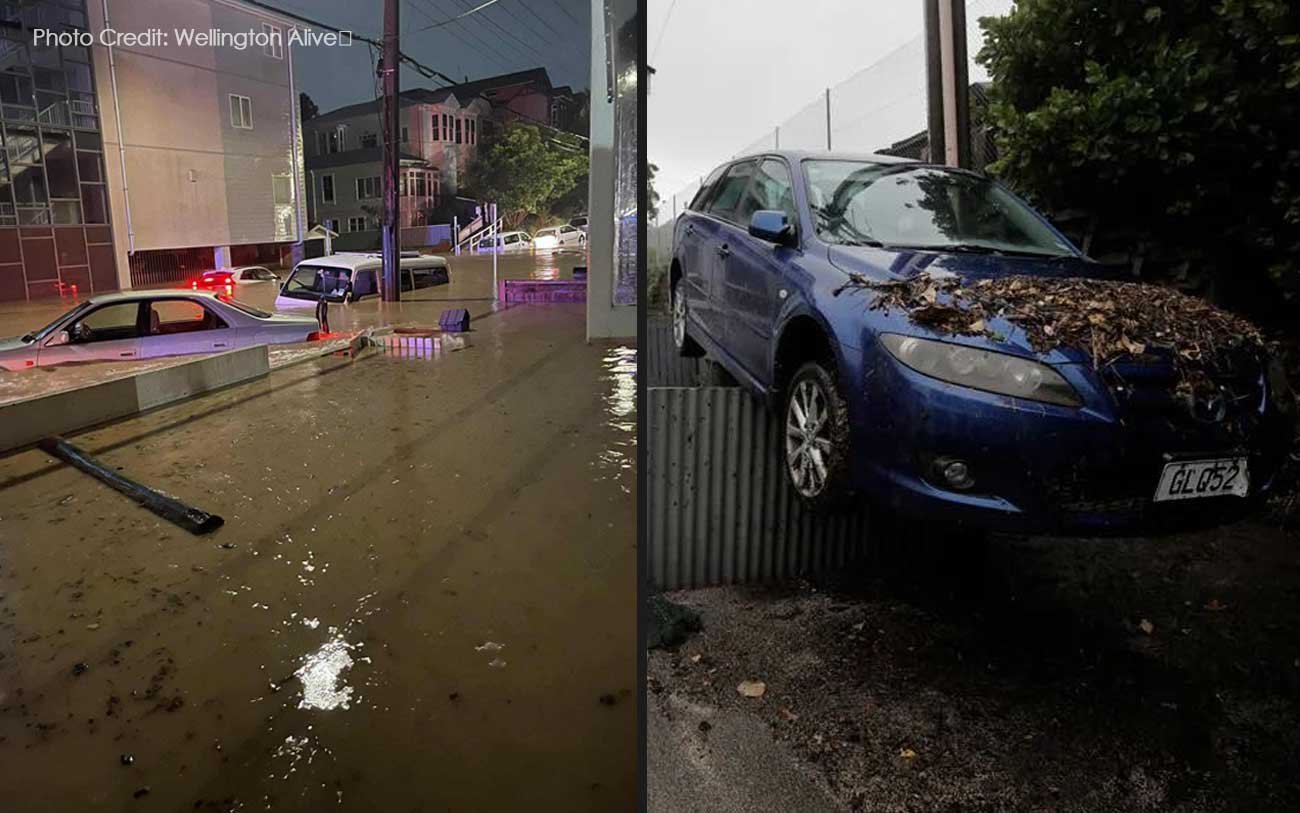
New Zealand is once again facing the harsh reality of extreme weather, as heavy rainfall triggered flash floods across Wellington. Authorities have urged residents living in low-lying and flood-prone areas to evacuate immediately, highlighting the seriousness of the situation.
Wellington recorded one of its heaviest rainfalls in recent times, with intense downpours causing flooding, landslides, and widespread disruption across the city.
But beyond the breaking news, this situation raises a bigger question are we doing enough to prepare for climate-driven emergencies?
What Happened in Wellington?
The capital city experienced sudden and extreme rainfall within a short period. Reports indicate that:
- Over 70mm of rain fell in less than an hour
- Roads were submerged and blocked
- Landslides damaged properties
- Emergency services responded to 150+ calls overnight
- Residents were forced to leave their homes in affected areas
Authorities quickly issued evacuation advisories, especially for people living in vulnerable zones. Emergency centres were also set up to support displaced residents.
Opinion: Climate Change Is No Longer a Future Problem
New Zealand has experienced multiple extreme weather events in recent years, including storms, cyclones, and flooding incidents. The Wellington floods are part of a growing pattern where:
- Rainfall intensity is increasing
- Urban areas are struggling with drainage
- Coastal and low-lying communities face repeated risks
This is not just a weather issue it’s a climate resilience issue.
If cities like Wellington known for strong infrastructure are vulnerable, smaller regions could be at even greater risk.
What Residents Should Learn from This
This situation is a reminder for everyone not just Wellington residents to stay prepared.
Simple steps can make a big difference:
- Know if your home is in a flood-risk area
- Have an emergency plan ready
- Follow official alerts immediately
- Avoid travelling during severe weather
- Move to higher ground when advised
Why were Wellington residents asked to evacuate?
Due to heavy rainfall causing flooding and landslides, especially in low-lying areas at higher risk.
How severe was the rainfall?
Some areas recorded over 70mm of rain in less than an hour, leading to flash floods.
Is flooding common in New Zealand?
Flooding has become more frequent due to extreme weather events and climate change impacts.
What should people do during flood warnings?
Follow official advice, move to higher ground, and avoid floodwaters or unnecessary travel.
Disclaimer
This article is an independently created opinion-based summary for informational purposes only. It is not an official statement. Information may change as new updates emerge.