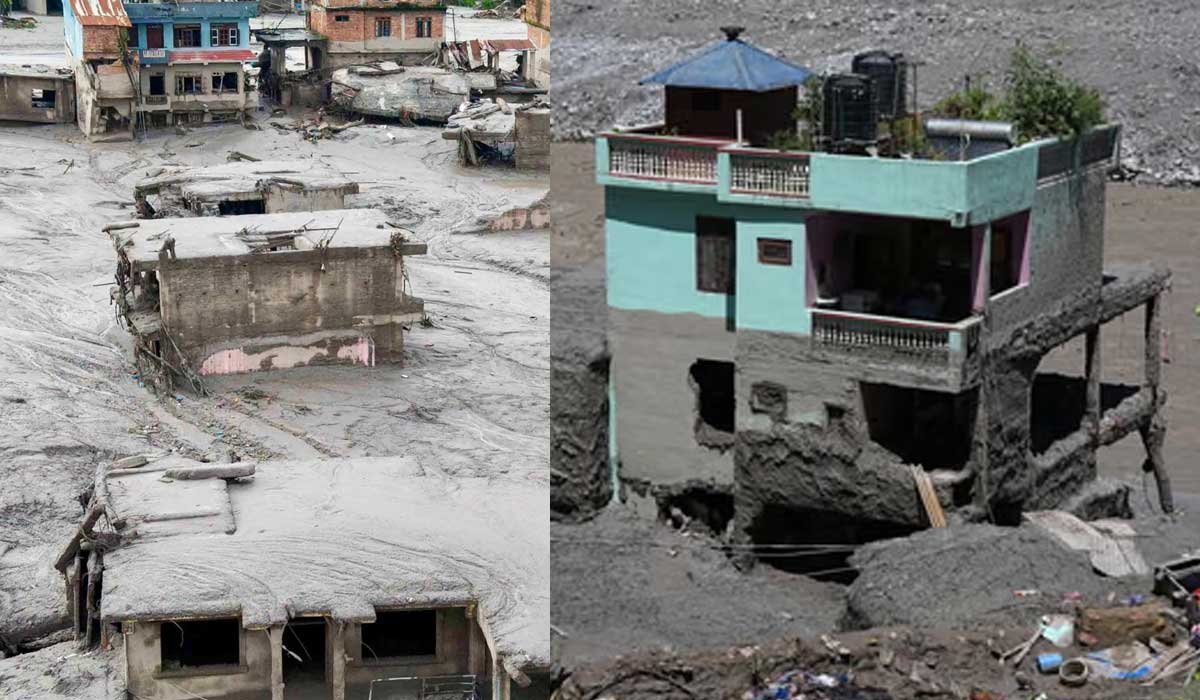
Kathmandu: Nepal is facing one of its most devastating natural disasters in recent years after a powerful flash flood swept through communities along the Nepal-Tibet border, leaving hundreds dead and thousands of people unaccounted for.
The disaster, which began on August 26, has caused widespread destruction across several parts of Nepal, particularly in the mountainous districts of Rasuwa and surrounding areas. Floodwaters carrying enormous amounts of mud, rocks and debris damaged villages, roads, bridges, hydropower facilities and other critical infrastructure.
The human toll has continued to rise as rescuers reach areas that were initially cut off by the disaster. According to the latest reports available on Saturday, Nepal’s confirmed death toll had reached 626, while 2,426 people remained missing. More than 3,700 people have reportedly been rescued so far.
Related Post
Earlier reports had placed the death toll at 616, highlighting how rapidly the numbers have been changing as search teams recover victims and receive new information from remote communities.
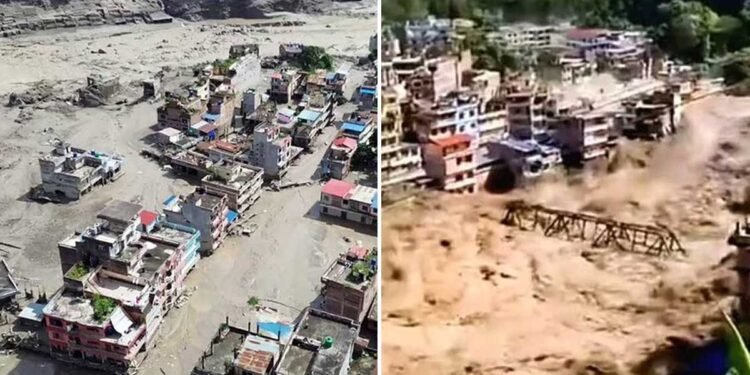
Flash Flood Devastates Nepal's Mountainous Communities
The worst destruction has been reported along the Bhote Koshi and Trishuli river systems, particularly in Rasuwa and neighbouring districts.
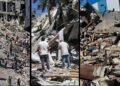
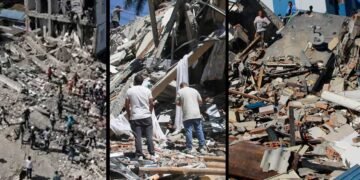
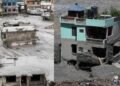
The sudden surge of water and debris swept through settlements with little warning. Homes, vehicles, bridges and sections of major roads were either damaged or completely washed away.
The disaster also affected important infrastructure connecting Nepal with Tibet. The Gyirong border crossing on the Chinese side was severely damaged, disrupting a major trade and transportation route between the two countries.
The scale of destruction has made it difficult for emergency teams to reach some of the worst-hit locations. Damaged roads, collapsed bridges, landslides and disrupted communications have slowed the movement of rescue personnel and supplies.
What Triggered the Disaster?
Early assessments indicate that the flooding was linked to a major ice and rock avalanche or glacier-related collapse in the Himalayan region.
The event generated an enormous volume of water, mud and debris that rushed through mountain valleys and river channels. The resulting flood was powerful enough to destroy infrastructure and entire sections of settlements.
Experts and officials are continuing to assess exactly how the event developed. Reports have also raised concerns about unstable glacial conditions and the possibility of additional flooding in vulnerable areas.
The disaster has once again highlighted the risks faced by communities living in the rapidly changing Himalayan environment.
Thousands Remain Missing
The number of missing people has become one of the most worrying aspects of the disaster.
Authorities are still working to establish the identities and locations of people who were in affected areas when the flood struck. The missing include local residents as well as foreign nationals, workers, travellers and pilgrims.
Families have been searching through hospitals, temporary shelters and lists released by authorities in the hope of finding relatives.
Because many communities remain difficult to access, authorities have warned that the numbers could change as communications are restored and search teams reach isolated locations.
Reports from the region also indicate that the disaster affected people on both sides of the Nepal-China border. In Tibet, Chinese authorities have separately reported deaths and hundreds of missing people.
Rescue Operations Face Major Challenges
Nepal has mobilised large numbers of security personnel and emergency workers for the search and rescue operation.
Teams are using helicopters where weather and terrain permit, while ground teams are working through areas covered in mud and debris.
However, rescue operations have been complicated by difficult mountain terrain, damaged roads and unstable conditions. Poor weather has also affected helicopter operations in some areas.
At several locations, rescuers have had to use ropes, baskets and other equipment to reach people trapped in difficult-to-access areas. Rescue workers are also searching damaged tunnels and infrastructure sites where people may still be trapped.
The priority remains finding survivors, recovering victims and providing emergency assistance to people who have lost their homes.
Hydropower and Transport Infrastructure Badly Damaged
The flooding has caused significant damage beyond residential areas.
Hydropower facilities in the affected region have been damaged, while roads and bridges have been swept away. The destruction has isolated communities and made it harder to transport food, medical supplies and other essential materials.
A report by the Financial Times said the disaster destroyed dozens of bridges and damaged a significant stretch of highway, while also severely affecting the cross-border trade route with China.
For Nepal, the damage to infrastructure could create long-term economic challenges in addition to the immediate humanitarian emergency.
Foreign Nationals Among the Missing
The disaster has also triggered concern among several countries because a significant number of foreign nationals were travelling or working in the affected region.
Many people reported missing were believed to be foreign workers, tourists or pilgrims travelling through the Himalayan region.
India has also been closely monitoring the situation because Indian nationals are among those reported missing. Other countries have similarly been working to determine the status of their citizens.
Authorities and diplomatic missions are coordinating with Nepali officials as search and identification efforts continue.
A Disaster Still Unfolding
The final scale of the disaster is not yet known.
Rescue teams continue to search through damaged communities, while authorities are attempting to verify reports of missing people. As access improves, officials may receive new information about survivors and victims.
The death toll has already moved significantly within a matter of days. Reports initially counted dozens of deaths before the figure rapidly climbed into the hundreds. By Saturday, the confirmed toll reported by the Associated Press had reached 626 in Nepal, with 2,426 people still missing.
The changing figures demonstrate the difficulty of gathering reliable information during a major disaster in remote mountainous terrain.
Families Wait for News
Behind the statistics are thousands of families waiting for information about loved ones.
Survivors have described scenes of enormous destruction, with homes and familiar landmarks disappearing beneath mud and floodwater.
One reported survivor story has offered a rare moment of hope amid the devastation. An eight-year-old boy who survived by escaping into a forest and climbing trees was eventually reunited with his mother after several days apart.
Stories such as this have provided a reminder that rescue operations can still bring survivors to safety even as the overall death toll continues to rise.
Nepal Faces a Long Recovery
The immediate focus remains on saving lives, but Nepal will face a much longer recovery process once the emergency phase ends.
Thousands of people may need temporary accommodation, food, medical assistance and financial support. Roads and bridges will need to be rebuilt, while damaged hydropower and communication infrastructure will require extensive repairs.
The disaster has also renewed attention on the vulnerability of Himalayan communities to sudden floods, landslides and glacier-related hazards.
Scientists and environmental experts are increasingly studying how changes in Himalayan glaciers and mountain environments could affect the frequency and severity of such events. The relationship between individual disasters and climate change requires careful scientific assessment, but the growing risks associated with unstable mountain environments remain a major concern.
What Happens Next?
Search and rescue operations are expected to continue as long as conditions allow.
Authorities are working to:
- Locate people who remain missing
- Recover victims from affected areas
- Evacuate stranded residents
- Provide food, water and medical assistance
- Restore damaged roads and communication networks
- Assess damage to hydropower and other infrastructure
- Reconnect isolated communities
- Support families who have lost relatives and homes
The coming days will be critical for determining the full impact of the disaster.
For now, Nepal remains focused on the search for survivors while communities across the affected region begin confronting the enormous task of rebuilding their lives.
Disclaimer
This article is based on information available from reports published during the ongoing disaster. Death tolls, missing-person figures and other details may change as rescue operations continue and authorities verify information. Readers should refer to official Nepali authorities and emergency services for the latest safety information.
For more international news and important developments from around the world, visit our Global Updates section.
FAQs
What happened in Nepal in August 2026?
Nepal was hit by devastating flash floods in mountainous areas, causing widespread destruction to homes, roads, bridges and other infrastructure.
How many people have died in the Nepal floods?
The reported death toll has continued to change as rescue teams reach affected areas. The latest reports cited in this article put the toll at more than 600.
How many people are still missing in Nepal?
Thousands remain unaccounted for, with recent reports putting the number at more than 2,400. Authorities are continuing search and rescue operations.
Which areas of Nepal were badly affected?
Rasuwa and areas around the Bhote Koshi and Trishuli river systems have been among the worst affected, with major damage reported to communities and infrastructure.
Are rescue operations still continuing in Nepal?
Yes. Nepalese security forces and rescue teams are continuing searches for missing people, evacuating survivors and delivering emergency assistance to affected communities.