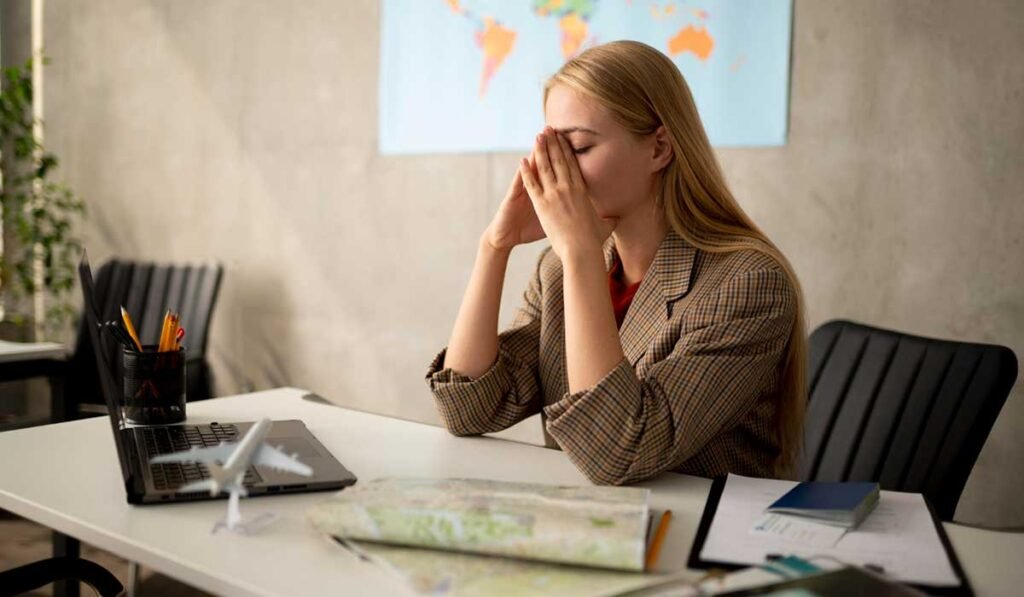
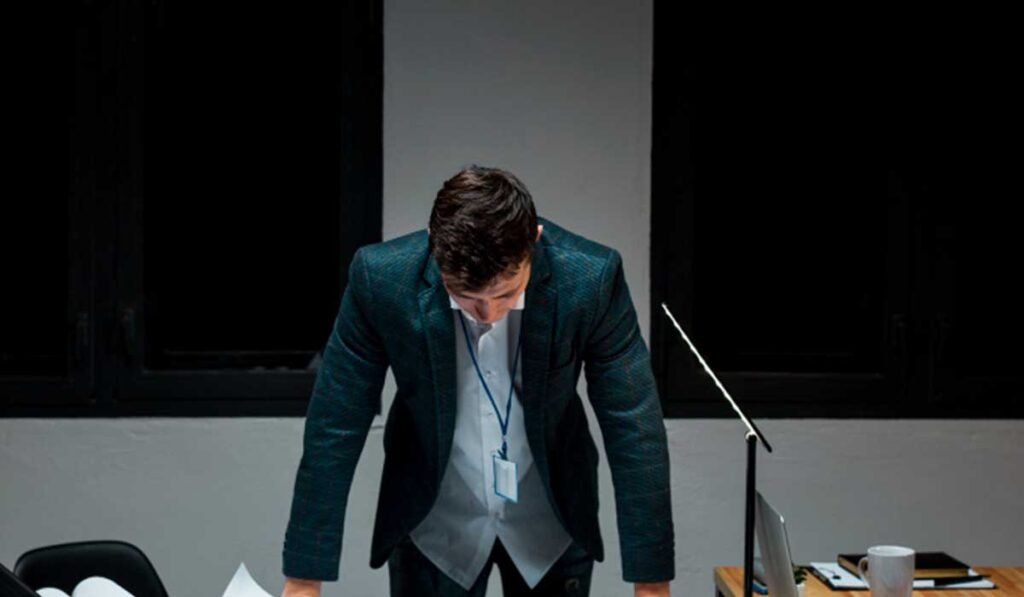
Across countries, cultures, and age groups, one common phrase is being heard more often: “I feel mentally exhausted.” From students managing study pressure to professionals handling demanding workloads, from parents balancing family responsibilities to retirees adjusting to changing routines, mental fatigue seems to be affecting people everywhere.
This growing conversation raises an important question are people around the world actually becoming more mentally exhausted, or are we simply becoming better at recognising and talking about it?
While the answer may vary from person to person, modern life has undoubtedly created new mental demands that were far less common in previous generations.
What Mental Exhaustion Feels Like
Mental exhaustion is not always easy to define because it often shows up in ordinary daily experiences rather than obvious medical symptoms. Many people describe it as a feeling of being mentally “full,” where even simple tasks start to feel difficult.
Common signs include difficulty concentrating for long periods, reduced motivation to complete responsibilities, forgetfulness, emotional frustration, and a sense of constant tiredness even without heavy physical activity.
Unlike physical fatigue, mental exhaustion can be harder to explain. Someone may look fine on the outside while internally feeling overwhelmed, distracted, or emotionally drained. Because of this, it is often ignored until it starts affecting work, relationships, or personal wellbeing.
Why Mental Exhaustion May Be Increasing
There is no single reason behind this global feeling of mental overload, but several modern lifestyle patterns may be contributing significantly.
1. Information Overload
Today, people process huge amounts of information every day. News alerts, work emails, social media updates, online videos, and constant notifications create a nonstop flow of content competing for attention.
The brain rarely gets a chance to fully pause. Even during quiet moments, many people automatically reach for their phones, keeping the mind continuously engaged.
2. Constant Decision-Making
Modern life demands constant choices. From what to eat and what to watch, to major career and financial decisions, people are making decisions throughout the day.
This repeated mental effort can lead to what many call “decision fatigue,” where even small choices start to feel frustrating and mentally draining.
3. Faster Work Environments
Many workplaces now expect quicker responses, multitasking, and constant availability. Remote work and digital communication have made it easier to stay connected—but also harder to fully disconnect.
For many employees, work no longer ends when office hours finish. This creates ongoing mental pressure and reduces recovery time.
4. Reduced True Downtime
Even relaxation has changed. Leisure time is often filled with scrolling, streaming, and digital stimulation instead of real mental rest.
While entertainment can be enjoyable, it does not always provide the deep recovery the brain needs. Quiet time, reflection, and genuine rest are becoming less common.
Awareness vs Reality
It is also important to consider that mental exhaustion may not be entirely new. People in previous generations likely experienced similar feelings but may not have had the language or social openness to describe them.
Today, mental health conversations are more accepted and widely discussed. Schools, workplaces, and public platforms now encourage people to talk about stress, burnout, and emotional wellbeing.
This increased awareness does not necessarily mean mental exhaustion is new—it may simply mean it is finally being acknowledged more openly.
Still, the speed and complexity of modern life suggest that the mental load itself has genuinely increased for many people.