Related Post
Introduction
The sudden collapse of Spirit Airlines has shocked travellers across the globe. While the airline has now confirmed that most customers have been refunded after its abrupt shutdown, the situation raises more than just financial concerns.
Yes, refunds matter. But is that enough to rebuild trust?
This opinion-style breakdown explores what really happened, what customers experienced, and why this event could reshape how travellers think about low-cost airlines.
What Happened: A Sudden Exit That Left Many Stranded
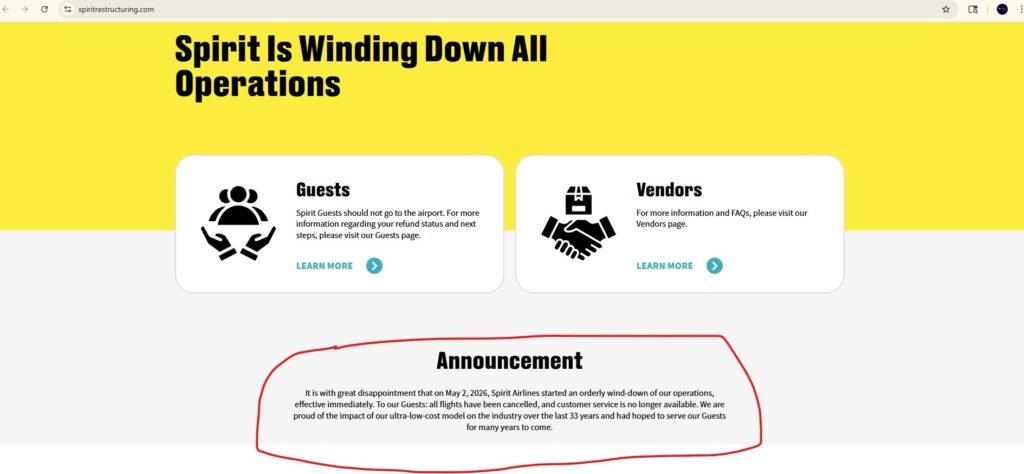
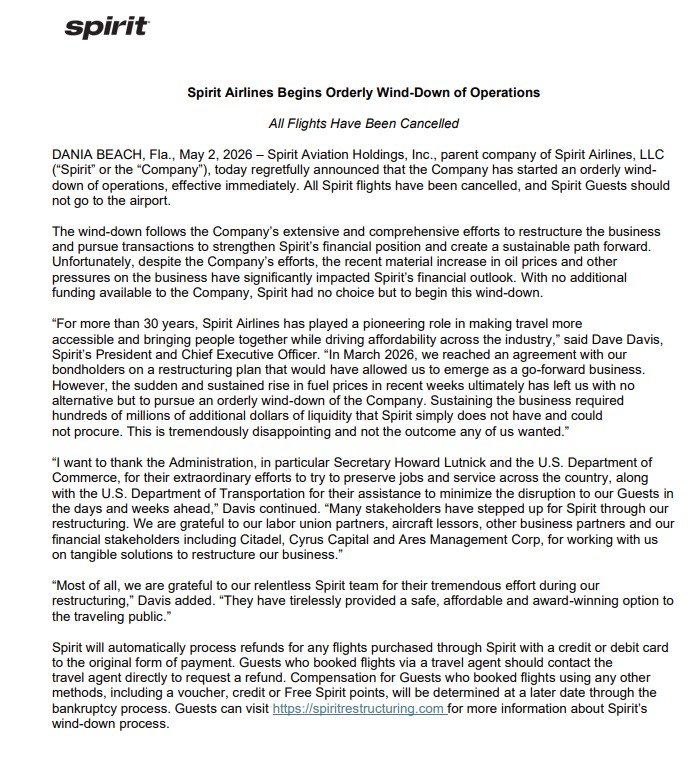
In early May 2026, Spirit Airlines halted operations almost overnight, cancelling thousands of flights and leaving passengers stranded across multiple regions.
The primary reasons were not entirely unexpected—rising fuel costs, financial instability, and failed rescue efforts pushed the airline beyond recovery.
Still, for customers, the shutdown felt sudden and chaotic.
Source: www.spiritrestructuring.com
Refunds: A Positive Step, But Not the Full Story
According to recent updates, the airline has managed to process refunds for most passengers, especially those who paid via credit or debit cards.
On the surface, this seems like a responsible move. In an industry where airline collapses can leave customers waiting for months, quick refunds are definitely a positive sign.
But here’s the real issue:
- Refunds don’t fix disrupted plans
- Refunds don’t cover emergency rebooking costs
- Refunds don’t compensate emotional stress
Many travellers were forced to book last-minute flights at significantly higher prices or cancel trips entirely.
The Real Problem: Trust in Budget Airlines
Spirit Airlines built its reputation on ultra-low fares. For years, it attracted price-conscious travellers looking for affordable travel options.
But this business model comes with risks.
Low-cost airlines operate on tight margins. When external factors like fuel price spikes or economic instability hit, they have less room to survive.
This shutdown highlights a bigger concern:
Are budget airlines too fragile in today’s unpredictable global economy?
Political and Economic Blame Game
Interestingly, the collapse has also triggered political debate in the United States.
Some leaders argue that regulatory decisions—like blocking airline mergers—played a role. Others point to global fuel price increases linked to geopolitical tensions.
From an outsider’s perspective, the truth likely lies somewhere in between:
- Weak financial structure
- External economic shocks
- Policy decisions
Together, they created the perfect storm.
Industry Impact: What Happens Next?
With Spirit Airlines out of the market, competition may reduce on certain routes. This could lead to:
- Higher ticket prices
- Fewer low-cost travel options
- Increased dominance of major airlines
Some airlines have already stepped in with discounted fares for affected passengers, but long-term effects remain uncertain.
Why did Spirit Airlines shut down?
The airline faced financial difficulties due to rising fuel costs, lack of funding, and ongoing operational challenges.
Are all customers getting refunds?
Most customers, especially those who paid by card, have received or are in the process of receiving refunds.
Will customers be compensated for extra expenses?
No, additional costs like hotel stays or new flights are generally not covered.
What should travellers learn from this?
Travellers should consider insurance, airline reliability, and avoid relying solely on low-cost carriers.
Disclaimer: This article is an independently created opinion-based summary for informational purposes only. It does not represent official statements from any airline or authority. All trademarks and brand names belong to their respective owners.