The Space Race Is Back—But It Looks Very Different
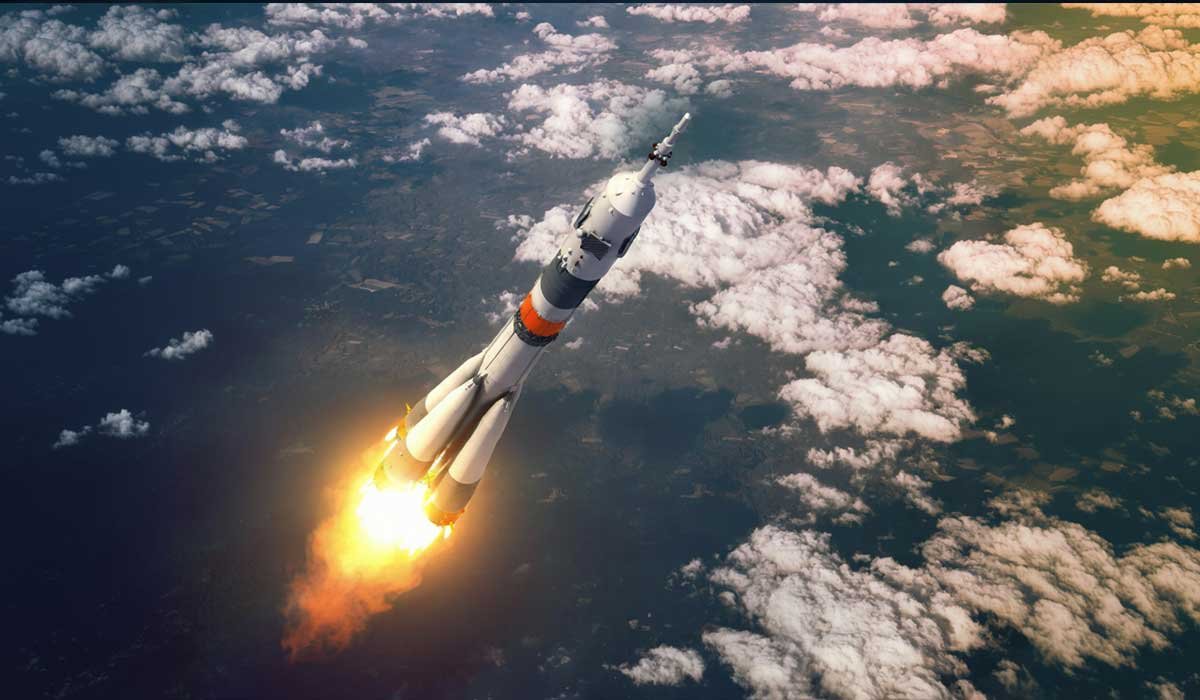
When people think of the space race, they often imagine astronauts, Moon landings, and the Cold War competition between powerful nations. But in 2026, space is no longer just about national pride it is becoming one of the world’s biggest business opportunities.
Today, the space economy is expanding far beyond government agencies. Private companies, startups, investors, and international partnerships are all playing major roles in shaping the future of space exploration and technology.
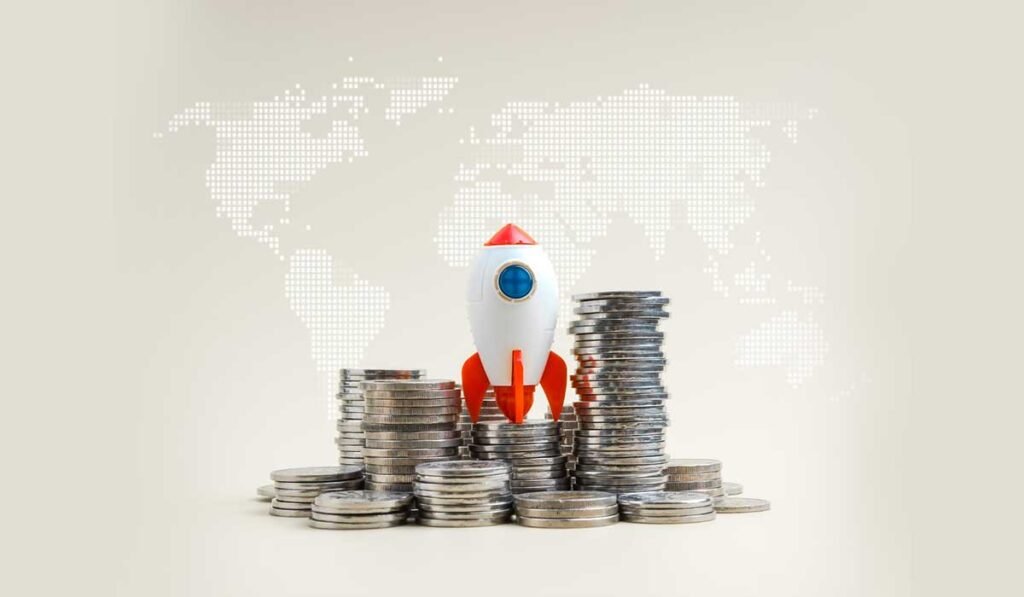
Experts believe the global space economy could grow into a trillion-dollar industry in the coming years. From satellite internet and GPS systems to climate monitoring and future Moon missions, space is becoming deeply connected to everyday life on Earth.
Private Companies Are Driving the New Space Race
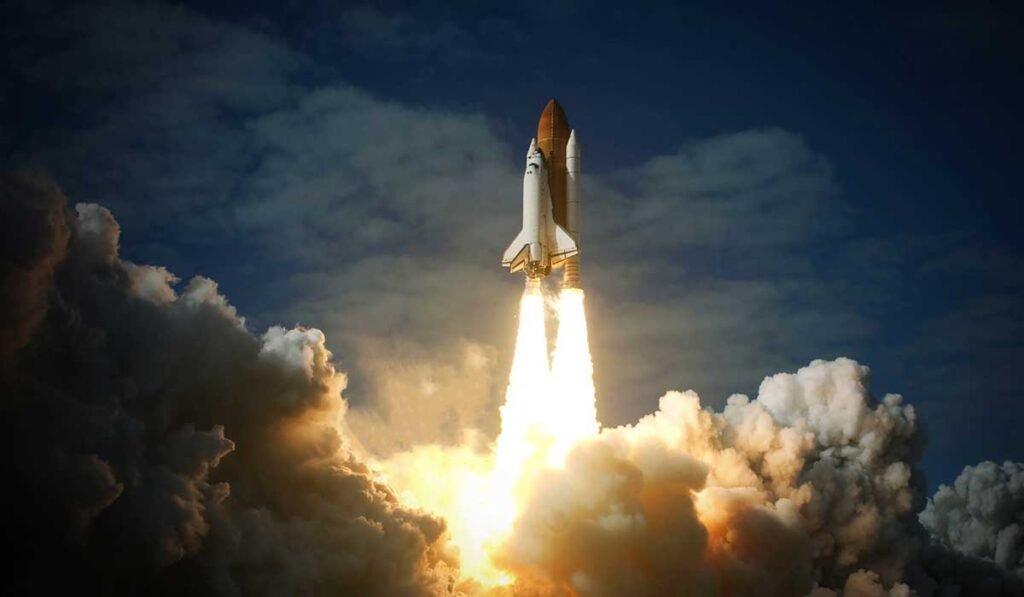
One of the biggest reasons behind this growth is the rise of private space companies. Businesses like SpaceX, Blue Origin, and Rocket Lab are changing how space missions are planned and launched.
A major breakthrough has been reusable rockets. In the past, rockets were used once and discarded, making launches extremely expensive. Today, reusable rocket technology has dramatically reduced costs and made space more accessible.
This means launching satellites is no longer limited to global superpowers. Smaller countries and private businesses can now participate in the space industry, creating new opportunities for innovation and international cooperation.
Rocket Lab, with strong connections to New Zealand, is a great example of how smaller nations are becoming important players in this growing industry.
Satellite Internet Is Changing Global Connectivity
One of the most practical benefits of the space economy is satellite internet. Services like Starlink are helping deliver high-speed internet to remote and underserved regions around the world.
This is especially important for rural communities where traditional internet infrastructure is difficult or expensive to build. With satellite connectivity, students can access online education, businesses can operate globally, and healthcare services can reach remote populations through telemedicine.
For countries like India and rural areas across New Zealand, this can help bridge the digital divide and create stronger economic growth.
Space technology is no longer something far away it is directly improving lives on the ground.
New Jobs and Economic Opportunities
The space economy is also creating jobs across many industries. It is not just about astronauts or rocket scientists anymore.
Today, the sector needs:
- Satellite technicians
- Data analysts
- AI specialists
- Software engineers
- Climate researchers
- Space lawyers
- Logistics experts
Many industries already depend on space-based systems.
For example, farmers use satellite data to monitor crops and weather conditions. Logistics companies rely on GPS for route planning. Governments use satellite imaging to track floods, storms, and climate change.
This growing connection between Earth-based industries and space technology is making businesses smarter, faster, and more efficient.
Challenges the Space Economy Must Solve
Despite its exciting growth, the space economy also faces serious challenges.
One major concern is space debris. Thousands of satellites and objects are already orbiting Earth, and collisions can create dangerous debris that threatens future missions.
Another challenge is regulation. As more private companies and countries enter space, questions about ownership, responsibility, and sustainability become more important.
Organizations like NASA and the European Space Agency are working with governments to create better policies, but a clear global system is still developing.
There are also concerns about military use of space and the ethical side of commercial exploitation. Long-term success will depend on responsible decisions and international cooperation.
What the Future Could Look Like
The future of the space economy is incredibly exciting.
We are already seeing growth in:
- Space tourism
- Lunar exploration and possible Moon bases
- Asteroid mining for rare minerals
- Expanded satellite networks
- Advanced climate monitoring systems
Just as the internet changed the world in the early 2000s, space could become the next major pillar of the global economy.
The opportunity is massive but so is the responsibility.
If innovation is balanced with sustainability and global cooperation, the space economy could transform the future for everyone.