

A rare disruption sends shockwaves across the global internet community
One of the world’s largest video platforms, YouTube, reportedly experienced a widespread outage, leaving users across multiple countries unable to access videos, load homepages, or stream content normally.
For a platform that powers everything from entertainment to education and live news, even a short interruption feels massive. And this time, the disruption appeared to be global.
Related Post




What Users Experienced
Reports began flooding outage-tracking platforms and social media as users complained of:
- “Something went wrong” error messages
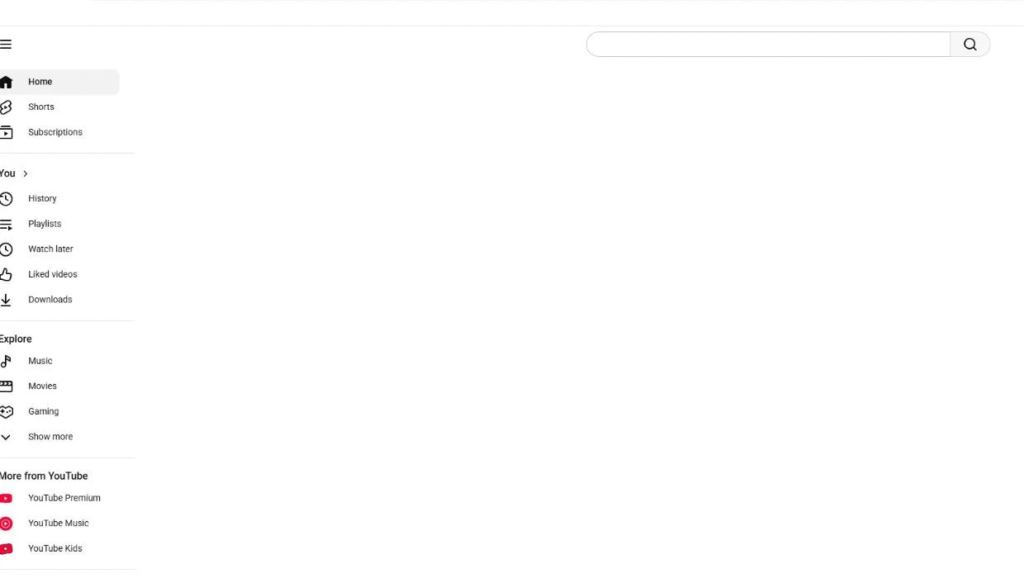
- Blank home screens
- Videos refusing to load
- Playback stopping midway
Many users initially suspected their internet connection was the problem. However, as complaints surged from different countries almost simultaneously, it became clear this was not a local issue – but a broader platform failure.
For millions, YouTube is not just an entertainment hub – it’s a daily habit. Whether it’s music, news clips, tutorials, or livestreams, the outage quickly became noticeable.
How Widespread Was the Disruption?
Outage trackers showed a dramatic spike in reports within a short time frame. Users from North America, Europe, Asia, and Oceania all reported similar issues.
While some users could still access direct video links, others found the homepage and app completely unresponsive. The inconsistency suggests a backend or server-related problem rather than a full system shutdown.
At the time of reporting, there was no detailed technical explanation made public by Google, YouTube’s parent company.
Why This Outage Feels Bigger Than Usual
Large-scale tech outages aren’t new. However, when a platform as dominant as YouTube goes down, the ripple effects are immediate:
- Content creators lose live audience engagement
- Businesses relying on video marketing face disruption
- Students and learners lose access to educational material
- Viewers lose a primary source of daily entertainment
YouTube has billions of monthly active users globally. Even a short interruption affects a significant portion of the internet’s daily traffic.
The incident also highlights how centralized modern digital infrastructure has become. When a single platform faces issues, entire ecosystems — creators, advertisers, educators — feel the impact.
What Could Have Caused It?
While no official reason was immediately confirmed, tech experts often point to common causes for global outages:
- Server configuration errors
- Cloud infrastructure glitches
- Software deployment failures
- Network routing disruptions
Because YouTube operates on highly distributed cloud systems, even a small misconfiguration can cascade quickly across regions.
Importantly, outages like this are typically resolved within hours once engineers identify the root cause.
Social Media Reacts
As expected, users quickly turned to other platforms to confirm the outage. Posts ranged from frustration to humor, with many joking about having to “touch grass” while waiting for service to return.
The speed of online reaction once again proves how embedded YouTube is in everyday life.
The Bigger Digital Lesson
This outage serves as a reminder: even the biggest tech giants are not immune to technical failures. As our reliance on digital platforms grows, so does the visibility of their vulnerabilities.
For users, it’s inconvenient. For businesses and creators, it’s potentially costly. For tech companies, it’s a wake-up call about system resilience and transparency.
FAQ
1. Was YouTube down worldwide?
Yes, reports indicated a widespread outage affecting users in multiple countries across different regions.
2. Did Google confirm the cause?
At the time of reporting, Google had not released a detailed explanation about the root cause of the outage.
3. How long did the outage last?
Most large-scale outages are resolved within a few hours, though exact recovery times can vary by region.
4. Was this related to users’ internet connections?
No. The surge in simultaneous reports globally suggests it was a platform-level issue, not individual connectivity problems.
Disclaimer
This article is based on publicly reported outage data and user feedback available at the time of writing. Readers are advised to check official YouTube or Google channels for the most accurate updates.