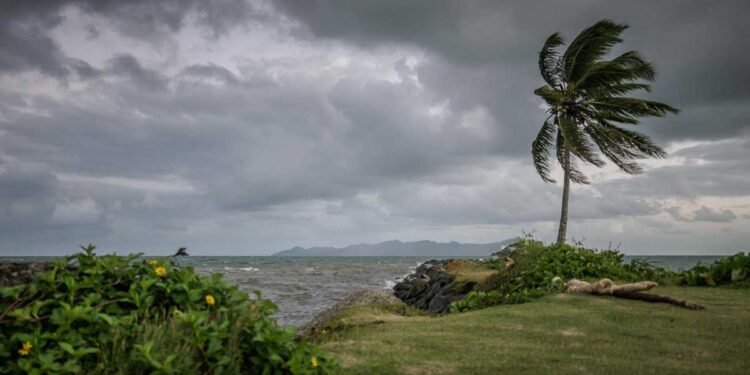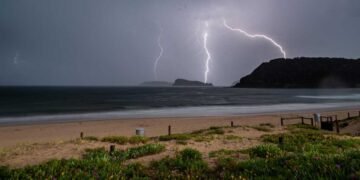

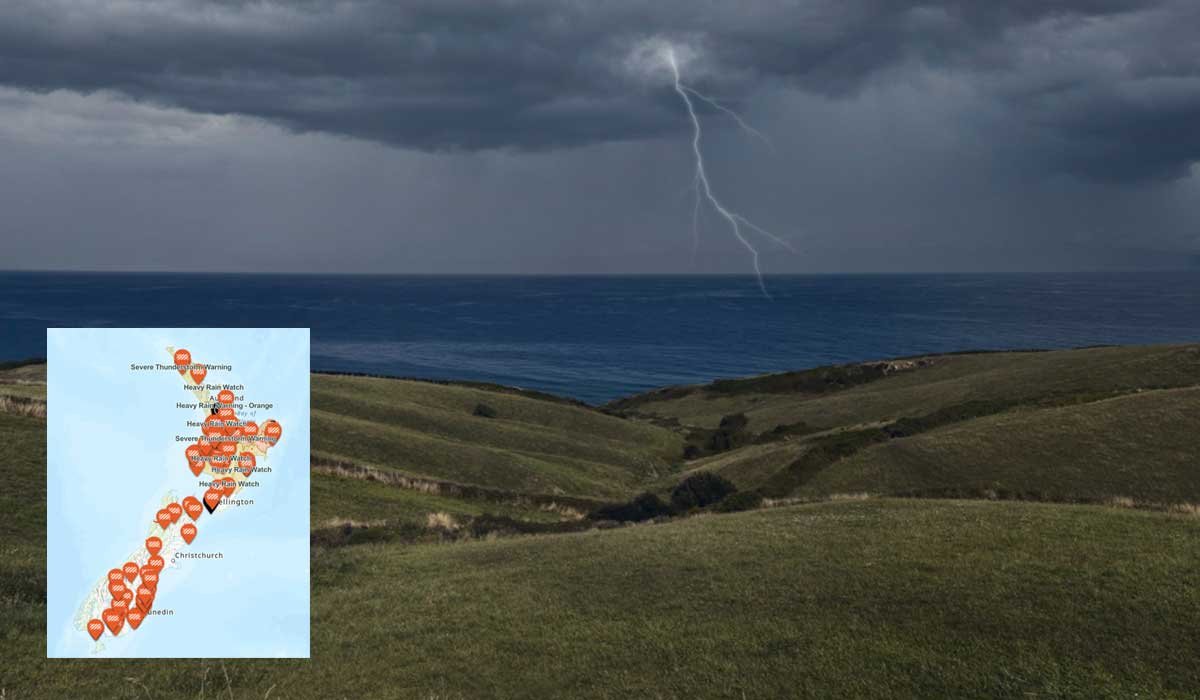
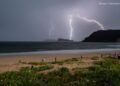
New Zealand’s North Island is bracing for a spell of unstable weather as thunderstorms and heavy downpours move across several regions. Weather patterns developing over the Tasman Sea are expected to push moist, warm air onto the island, creating conditions ripe for intense rainfall, gusty winds, and localised flooding.
Forecasters warn that the changing conditions could affect both urban and rural areas, with sudden downpours increasing the risk of surface flooding, slips in hilly terrain, and reduced visibility for drivers. Coastal and elevated regions may also experience brief but strong wind gusts as storm cells pass through.
What’s Driving the Weather Shift?
Meteorologists point to a combination of warm, humid air colliding with cooler systems moving in from the west. This clash creates atmospheric instability, which can rapidly develop into thunderstorms. While not all areas will be hit equally, isolated heavy rain events may occur with little warning.



Impacts to Watch Out For
- Travel disruptions: Sudden rain can lead to slippery roads and slower travel times.
- Localised flooding: Low-lying areas and urban drainage systems may struggle during intense downpours.
- Outdoor plans affected: Those planning weekend trips or events may need to prepare for changing conditions.
Staying Safe During Stormy Weather
Residents and travellers are encouraged to stay informed through official weather updates and to plan with flexibility. Simple precautions—such as avoiding flood-prone routes, securing loose outdoor items, and allowing extra travel time—can reduce risks during stormy periods.
As climate patterns become more unpredictable, short bursts of intense weather are becoming more common across New Zealand, highlighting the importance of preparedness even outside traditionally stormy seasons.
FAQs
Which areas of the North Island are most at risk?
Regions prone to heavy rain, including central and upper North Island areas, may see stronger storm activity, though conditions can vary widely.
Will this affect weekend travel plans?
Yes, heavy rain and thunderstorms can disrupt road travel and outdoor activities. It’s best to check weather updates before heading out.
Are thunderstorms dangerous in New Zealand?
While most storms are short-lived, they can bring intense rain, gusty winds, and occasional lightning, which may pose safety risks if precautions aren’t taken.
How can residents prepare for sudden heavy rain?
Clear drains around homes, avoid parking in flood-prone spots, and keep emergency contacts and supplies handy.
1. Which areas of the North Island are most at risk?
Regions prone to heavy rain, including central and upper North Island areas, may see stronger storm activity, though conditions can vary widely.
2. Will this affect weekend travel plans?
Yes, heavy rain and thunderstorms can disrupt road travel and outdoor activities. It’s best to check weather updates before heading out.
3. Are thunderstorms dangerous in New Zealand?
While most storms are short-lived, they can bring intense rain, gusty winds, and occasional lightning, which may pose safety risks if precautions aren’t taken.
4. How can residents prepare for sudden heavy rain?
Clear drains around homes, avoid parking in flood-prone spots, and keep emergency contacts and supplies handy.
Disclaimer:
This article is for general information only. Weather conditions can change rapidly; always rely on official forecasts and local authorities for the latest updates and safety guidance.
Read more New Zealand updates and breaking news on NZ Indian Insights.