
Artificial intelligence is rapidly entering the world of entertainment, but not every experiment receives positive reactions. Recently, an AI-generated performer named Tilly Norwood released a music video and song that quickly caught attention online.
Instead of praise, however, the project sparked criticism and debate. Many listeners described the track as awkward, strange, and lacking the emotional depth typically found in human-made music. The release has now become a talking point in the ongoing conversation about artificial intelligence in creative industries. Some expressed concerns about the implications of AI creating music that mimics human emotions and artistic expression, while others argued that AI has the potential to revolutionize the music industry and push the boundaries of creativity.
Despite the mixed reactions, the creators of the AI-generated track defended their project, emphasizing that it was an experiment to explore the capabilities of technology and challenge traditional notions of music composition. They believe that AI can coexist with human creativity and offer new possibilities for collaboration and innovation.
As the debate continues, one thing is clear: AI-generated music is here to stay and will likely play a significant role in shaping the future of the music industry. Whether it will be embraced or rejected remains to be seen, but one thing is certain – it has sparked a much-needed discussion about the intersection of technology and art.




Who Is Tilly Norwood?
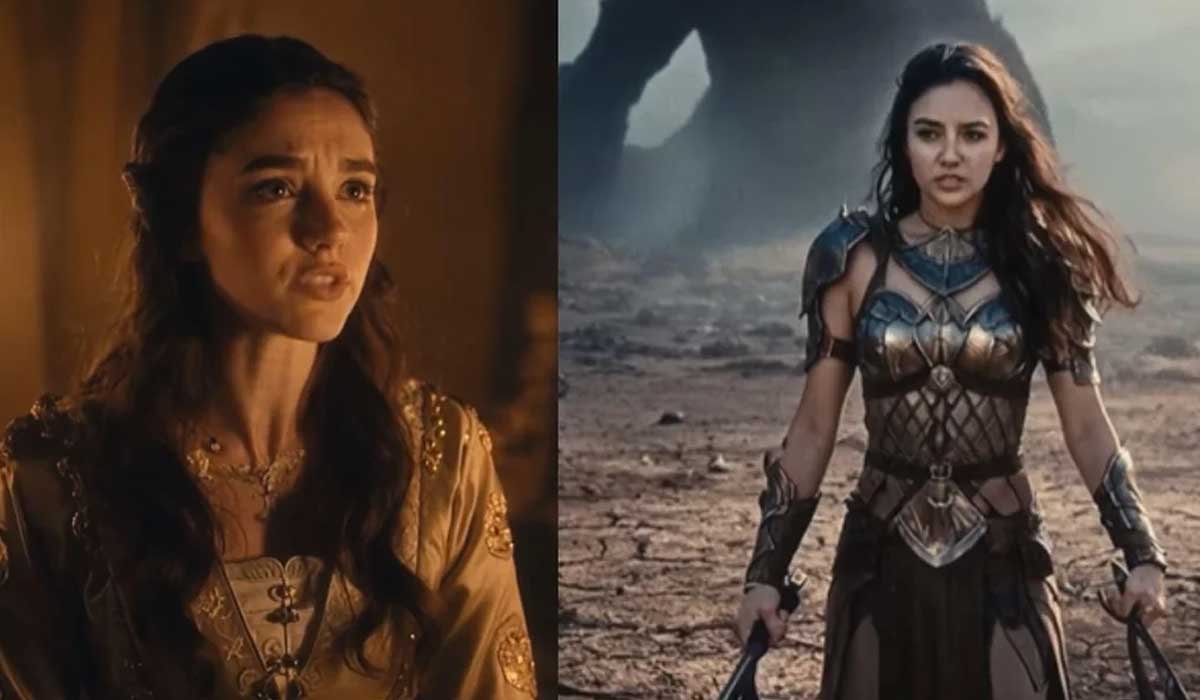
Tilly Norwood is a virtual performer created using generative AI technology. The character was designed to look and behave like a real actress or celebrity, complete with a digital personality and online presence.
The creators behind the project introduced Tilly as a new kind of entertainment figure an AI actor who could appear in videos, performances, and potentially even films. The idea was to demonstrate how artificial intelligence might shape the future of storytelling and digital media.
Recently, the team expanded the concept by launching Tilly Norwood as a pop singer.
The Song That Triggered Strong Reactions
The new music video features the AI character performing a pop-style song focused on technology, creativity, and the role of artificial intelligence in modern society.
In the lyrics, the digital performer appears to defend AI technology, suggesting that artificial intelligence should be viewed as a helpful tool rather than a threat to artists.
However, the execution left many viewers unimpressed. Critics noted that the vocals sounded robotic and the overall performance lacked emotion. The music video also included unusual visuals that some viewers found confusing or surreal.
Instead of convincing audiences about AI’s creative power, the release ended up becoming a viral example of the limitations of current AI entertainment projects.
Why Many Listeners Criticized the Song
After the video began circulating online, commentators shared a variety of criticisms. Some of the most common reactions included:
- Unnatural voice performance that sounded mechanical rather than expressive
- Lyrics that felt repetitive and awkward
- A strange visual style that distracted from the music
- Limited emotional connection, which many believe is essential in music
Several technology observers even joked that the song unintentionally proved that human musicians are still very difficult to replace.
The Bigger Conversation About AI Performers
The debate surrounding Tilly Norwood highlights a larger discussion happening across the entertainment industry.
Artificial intelligence is increasingly being used to generate music, video, digital art, and even virtual influencers. While some creators see AI as an exciting new tool, others worry that it could eventually replace human talent.
Actors, musicians, and writers have already raised concerns about how AI might affect creative jobs in the future. At the same time, supporters argue that AI could open new possibilities for storytelling and digital experiences.
The mixed reaction to this AI performer shows that audiences are still uncertain about how comfortable they are with machine-generated entertainment.
What the Future Could Look Like
Despite the criticism, projects like Tilly Norwood demonstrate how quickly technology is evolving. AI tools are becoming more capable every year, and developers continue experimenting with digital characters, synthetic voices, and automated music production.
It is possible that future AI performers will become far more convincing and emotionally engaging than today’s versions.
For now, however, the reaction to this song suggests that human creativity remains at the heart of entertainment.
The release of Tilly Norwood’s unusual song may not have impressed music fans, but it has certainly started an important conversation.
As artificial intelligence continues to grow in creative industries, audiences, artists, and technology companies will need to find a balance between innovation and authenticity.
Whether AI performers become mainstream or remain experimental projects, one thing is clear: the relationship between technology and art is entering a fascinating new era.
Who is Tilly Norwood?
Tilly Norwood is an AI-generated virtual performer designed to act like a digital celebrity or actress.
Why is the song controversial?
Many critics say the song sounds robotic and lacks the emotional depth that human musicians typically bring to music.
Is AI already creating music?
Yes, AI tools are increasingly being used to generate music, lyrics, and vocals, although the results are still improving.
Can AI replace human artists?
Most experts believe AI can assist creators, but replacing human creativity entirely is still unlikely at the moment.