
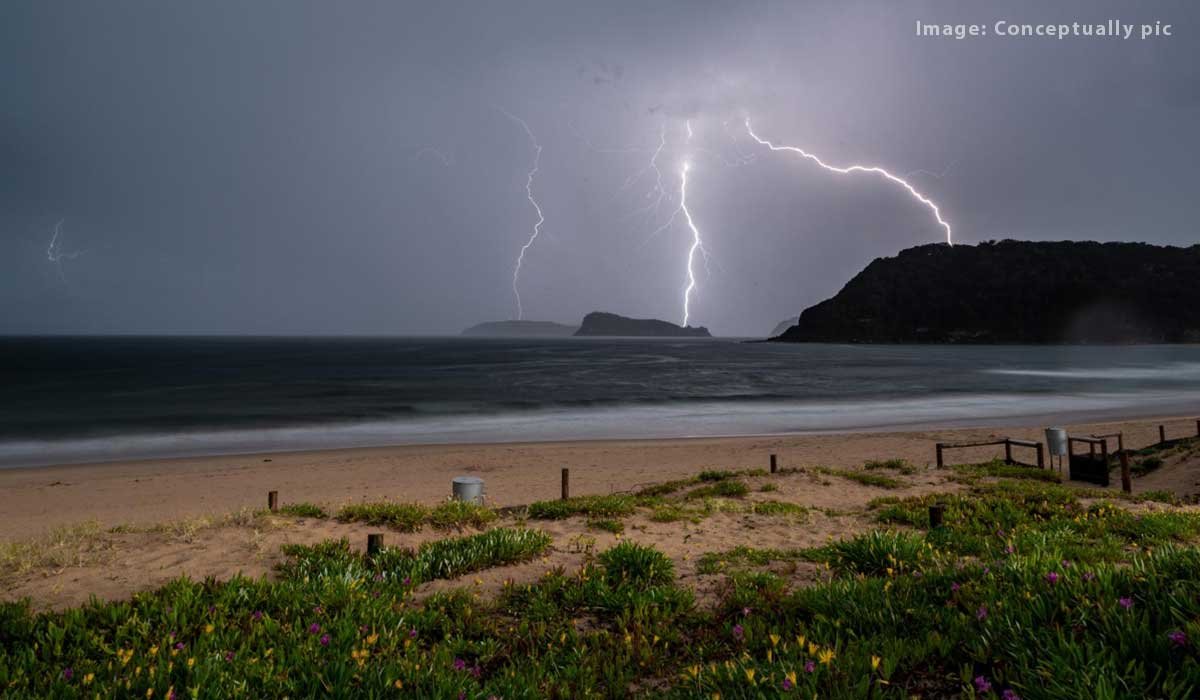
Parts of New Zealand’s Bay of Plenty (BOP) and Rotorua region are on alert as unstable weather conditions are expected to trigger heavy thunderstorms. Weather forecasters warn that intense rainfall could develop within short timeframes, with some areas receiving up to 40mm of rain in just a few hours.
These sudden downpours increase the risk of surface flooding, especially in low-lying urban areas, near streams, and on roads with poor drainage. Motorists and commuters are advised to take extra care, as brief but intense rainfall can quickly reduce visibility and create hazardous driving conditions.
Why These Storms Matter
Thunderstorms in late summer and early autumn are often unpredictable. Warm air rising rapidly can lead to short-lived but powerful rain bursts. In regions like BOP and Rotorua, where tourism, farming, and daily travel are closely linked to weather patterns, even brief flooding can disrupt routines, damage crops, and cause delays.




Potential Impacts to Watch For
- Localised surface flooding in towns and residential areas
- Slippery roads and temporary travel disruptions
- Water pooling on farmland, affecting short-term agricultural activity
- Blocked drains and overflowing roadside channels
Safety Tips for Residents and Travellers
- Avoid driving through flooded roads—water depth can be deceptive
- Secure loose outdoor items before storms arrive
- Keep updated with local weather alerts and advisories
- If possible, delay non-essential travel during peak storm periods
Staying informed and prepared can significantly reduce risk during sudden weather events. While not all areas will experience severe impacts, it’s wise to remain cautious as conditions can change rapidly.
FAQs
1. Which areas are most at risk of flooding?
Low-lying parts of Bay of Plenty towns and Rotorua, especially near streams and poorly drained roads, face higher risk.
2. How much rain is expected from these thunderstorms?
Some locations could receive up to 40mm of rain within a few hours, which is enough to cause surface flooding.
3. Are these storms dangerous for travel?
Yes. Heavy rain can reduce visibility, cause water pooling on roads, and increase the risk of accidents.
4. What should residents do to stay safe?
Monitor weather updates, avoid flooded areas, secure outdoor items, and plan travel around peak storm times.
Disclaimer
This article is for general information only. Weather conditions can change rapidly. Please follow official updates and local authority advice for the latest safety guidance.
Read more New Zealand updates and breaking news on NZ Indian Insights.