
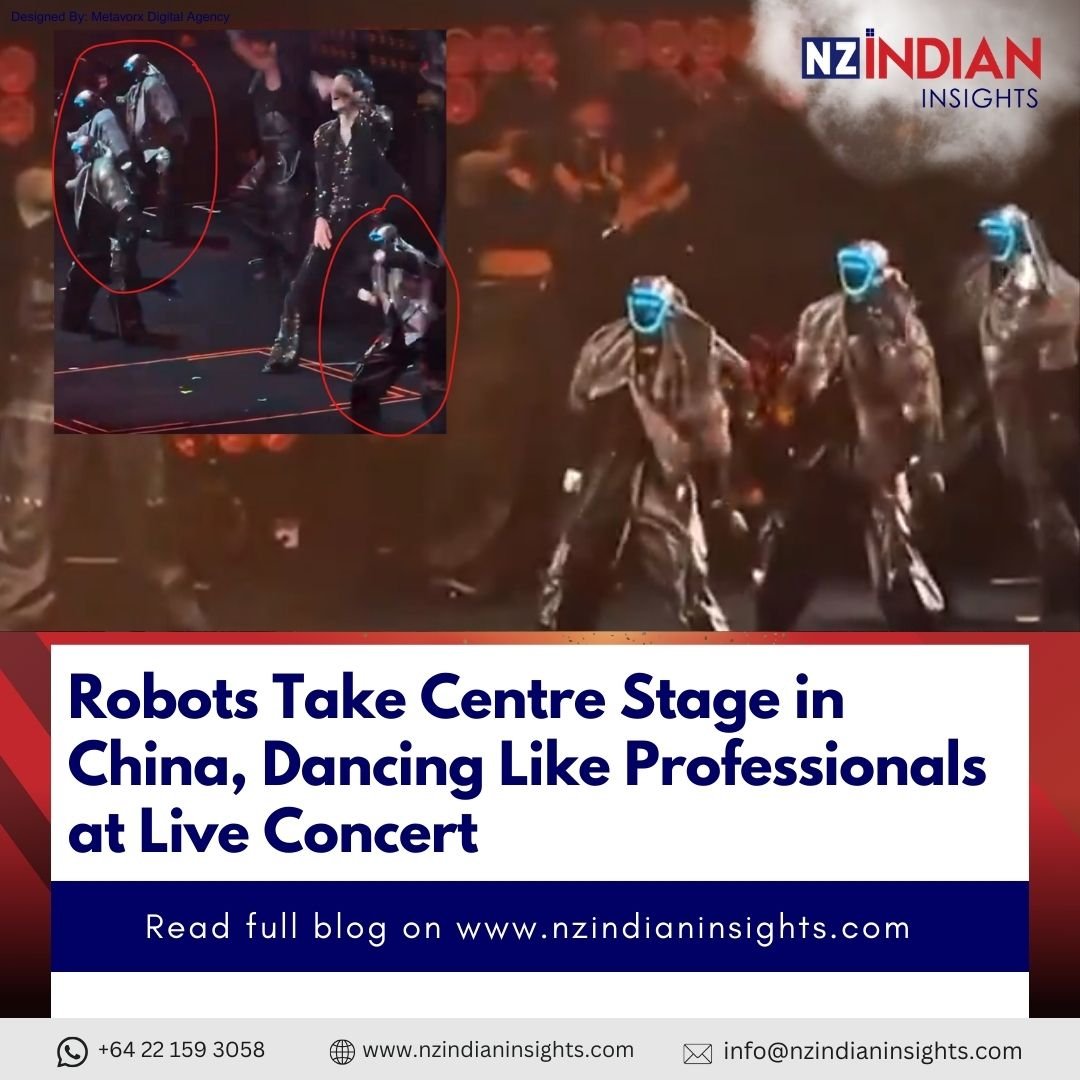
Robots are no longer limited to factories or research labs they are now stepping into the spotlight. A recent live performance in China has caught global attention after humanoid robots joined a singer on stage, moving in perfect rhythm and performing choreographed dance routines that looked straight out of a sci-fi movie.
The performance, which has since gone viral across social media platforms, showcased how advanced robotics and artificial intelligence are rapidly transforming entertainment.
A Futuristic Concert Experience
During the live show, multiple robots appeared on stage alongside a human performer, executing synchronized dance moves with remarkable precision. Their smooth transitions, coordinated arm movements, and timing stunned the audience, blurring the line between human and machine performance.




Many viewers online initially believed the robots were digital effects. However, it was later confirmed that the machines were real, powered by AI-driven motion control systems and advanced sensors that allow them to respond accurately to music beats and stage cues.
How These Robots Perform So Smoothly
Experts say these humanoid robots rely on a combination of:
- Artificial intelligence for movement planning
- Machine learning models trained on human dance data
- High-precision motors and balance systems
- Real-time sensors to maintain posture and coordination
This technology allows robots to perform complex routines while maintaining balance — something that was considered extremely difficult just a few years ago.
Why China Is Leading This Robotics Shift
China has been heavily investing in robotics and AI development across industries, including manufacturing, healthcare, education, and now entertainment. Public demonstrations like live performances are not just about entertainment; they also serve as proof of technological leadership and innovation.
By integrating robots into cultural events, China is showing how AI can blend into everyday life — not just as tools, but as performers and collaborators.
Internet Reactions: Amazed and Curious
Social media users worldwide have reacted with a mix of excitement and curiosity. While many praised the innovation and precision, others raised questions about the future of live performances and whether robots might one day replace human dancers.
However, most viewers agreed on one thing the performance was a clear glimpse into the future of entertainment.
What This Means for the Future
Robots performing on stage signals a larger shift in how technology may reshape creative industries. In the coming years, we could see:
- AI-powered stage performers
- Robot-human collaborative shows
- Virtual and physical entertainment blending together
- New job roles focused on robot choreography and AI design
For audiences, this could mean more immersive and visually stunning experiences.
A Glimpse Into Tomorrow’s World
This viral moment is more than just a trending video it reflects how quickly technology is evolving. Robots dancing confidently under bright stage lights show that AI is no longer just behind the scenes; it is becoming part of mainstream culture.
As innovation accelerates, moments like these remind us that the future may arrive faster and more dramatically than we expect.
FAQs:
Are these dancing robots real or computer-generated?
These are real humanoid robots powered by artificial intelligence, advanced sensors, and precision motors — not digital effects.
How do robots manage to dance so smoothly?
They use AI-based motion planning, machine learning trained on human movements, and real-time balance systems to stay coordinated.
Is China leading in robotics and AI innovation?
Yes, China is one of the global leaders in robotics, investing heavily in AI across manufacturing, healthcare, and now entertainment.
Will robots replace human performers in the future?
Experts believe robots will more likely collaborate with humans rather than fully replace them, creating hybrid performances.
Disclaimer
This article is created for informational purposes only. It is an original rewrite based on publicly discussed trends and does not reproduce or copy any copyrighted material.
Learn more about the latest technology trends and AI innovations