
Five Districts Declare States of Emergency as Heavy Rain Intensifies
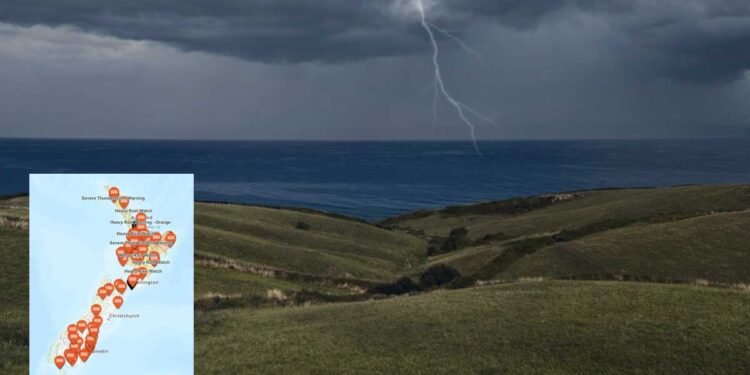
New Zealand is facing widespread severe weather conditions, with heavy rain, strong winds, and rising rivers triggering emergency measures across multiple regions. Authorities have confirmed that five districts are now under states of emergency as intense rainfall increases the risk of flooding, landslides, and infrastructure disruption.
Communities across parts of the North Island and upper South Island have been urged to prepare for rapidly changing conditions as the storm system moves through the country.
Red and Orange Warnings in Effect
New Zealand’s national forecaster, MetService, has issued multiple heavy rain warnings and watches across affected regions.

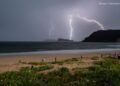

A red heavy rain warning — the highest alert level — has been declared for parts of Manawatū, Rangitīkei, and Ruapehu. A red warning signals a serious threat to life and property, with authorities warning of dangerous river surges and possible landslips.
Other regions remain under orange warnings and heavy rain watches, with forecasts predicting significant rainfall accumulations over short periods. Officials say river levels could rise quickly, particularly in low-lying areas.
Five Districts in States of Emergency
Local councils in Manawatū, Rangitīkei, Tararua, Waipā, and Ōtorohanga have declared states of emergency.
Declaring a state of emergency allows local authorities to coordinate response efforts, close roads, manage evacuations, and access emergency powers if required.
Emergency operations centres are active, and officials are closely monitoring river levels and weather patterns. Residents in vulnerable zones are being advised to prepare emergency kits, charge mobile devices, and stay alert for official updates.
Evacuation Advisories and Transport Disruptions
In some communities, precautionary evacuation notices have been issued, particularly in flood-prone suburbs. Residents are encouraged to leave early if they observe rising water levels rather than waiting for mandatory evacuation orders.
Transport networks are also being affected. Strong winds and flooding risks have led to delays and cancellations in certain areas. Road closures may occur with little notice if conditions worsen.
Authorities have urged people to avoid unnecessary travel and never attempt to drive through floodwaters.
Community Safety and Preparedness
Emergency services are reminding residents to:
- Monitor official weather updates regularly
- Prepare essential supplies including food, water, and medication
- Secure outdoor items that may be affected by strong winds
- Avoid rivers, streams, and flood-prone roads
- Follow all evacuation instructions promptly
Officials stress that conditions can change rapidly, and preparedness is key to reducing risk.
Frequently Asked Questions (FAQs)
1. What does a red weather warning mean?
A red warning is the highest alert level issued by MetService. It indicates severe weather that poses a significant threat to life and property, requiring immediate action.
2. Which districts are currently under a state of emergency?
Manawatū, Rangitīkei, Tararua, Waipā, and Ōtorohanga have declared states of emergency due to heavy rain and flooding risks.
3. Should residents evacuate immediately?
Residents in flood-prone areas should be prepared to evacuate. Authorities advise leaving early if floodwaters begin rising rather than waiting for official orders.
4. How long are the warnings expected to remain in place?
Warnings remain active while severe weather conditions persist. Residents should follow updates from local councils and weather authorities for real-time information.
Disclaimer
This article is a rewritten news summary created for informational purposes based on publicly reported updates. Weather conditions may change quickly. Readers should rely on official government agencies, emergency management services, and weather authorities for the most accurate and up-to-date information.