
A Storm That Rewrote the Record Books
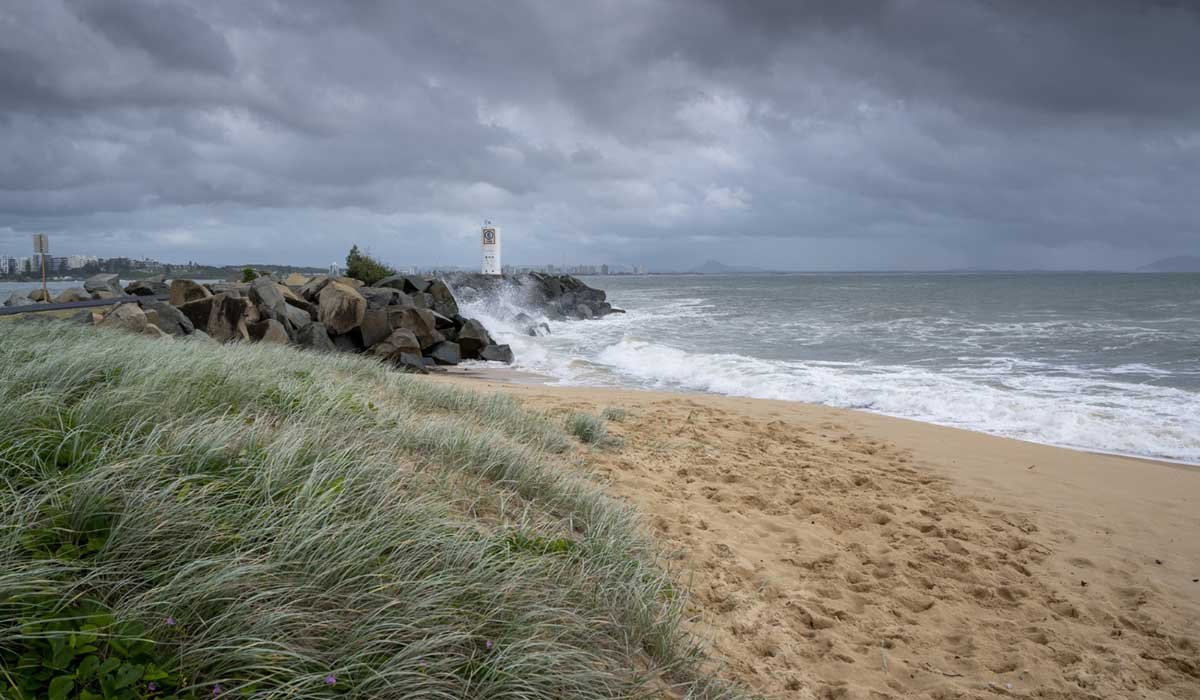
New Zealand’s lower North Island has endured one of its most intense wind events in recent memory, with gusts reaching a staggering 240 km/h at Cape Turnagain. Such wind speeds are rare outside of tropical cyclones and highlight the sheer force of this weather system.
In the capital region of Wellington, elevated areas recorded gusts nearing 190 km/h, while central parts of the city experienced winds exceeding 130 km/h. Residents described a sleepless night as roofs rattled, trees snapped, and emergency alerts sounded across the region.
Meteorologists explained that a deep low-pressure system stalled east of the North Island, intensified by a blocking high-pressure system further offshore. This created a tight pressure gradient — the key ingredient behind the extreme and sustained wind speeds.



Heavy Rain Intensifies the Impact
While the headline figures focused on wind, rainfall added another layer of danger. Parts of the Wairarapa region recorded rainfall totals approaching 200 mm in a short span of time. Rivers swelled rapidly, surface flooding spread across low-lying areas, and saturated soil increased the likelihood of slips and fallen trees.
The dual impact of heavy rain and violent gusts turned the storm into a multi-hazard event. Waterlogged ground weakened root systems, making trees more vulnerable to toppling in powerful winds. Roads were blocked, and several districts declared states of emergency to coordinate response efforts.
Transport Disruptions and Power Outages
Infrastructure across the lower North Island came under significant strain. Flights in and out of Wellington were disrupted, ferries faced delays, and sections of major highways were temporarily closed due to debris and hazardous driving conditions.
Thousands of homes were left without electricity as strong gusts brought down power lines. Emergency services responded to hundreds of callouts, including reports of roof damage, fallen trees, and vehicles trapped by debris.
Rural communities were particularly affected, with some isolated properties cut off temporarily due to road closures and power loss. Recovery crews have been working to restore services and clear affected routes.
A Wake-Up Call on Extreme Weather Preparedness
Events of this magnitude naturally raise broader questions about resilience. While experts caution against attributing a single storm directly to climate change, there is growing consensus that warmer ocean and atmospheric conditions can fuel more intense weather systems.
This storm underscores the importance of preparedness — from resilient infrastructure and emergency planning to public awareness. Early warnings and coordinated responses likely reduced the risk of more severe consequences.
Even as the system gradually moves southward and weakens, authorities warn that secondary risks remain. Flooded areas may take days to recede, unstable trees pose ongoing hazards, and damaged infrastructure requires thorough inspection.
FAQs:
How rare is a 240 km/h wind gust?
Gusts of this magnitude are extremely uncommon outside tropical cyclones. Such speeds place this event among the most powerful non-cyclonic wind observations in recent years.
Why was the lower North Island hit so hard?
A deep low-pressure system combined with a blocking high created a strong pressure gradient, intensifying winds particularly along exposed coastal and elevated areas.
Did the storm cause evacuations?
Yes, some low-lying and river-adjacent communities were evacuated as a precaution due to rising water levels and flooding risks.
Is this linked to climate change?
While no single event can confirm long-term trends, scientists note that changing climate conditions may increase the intensity of certain extreme weather systems.
Disclaimer
This article is a rewritten news-style analysis based on publicly available reports and weather updates. It is intended for informational purposes only. Readers should rely on official weather agencies and local authorities for real-time alerts, emergency instructions, and verified updates.
Read more New Zealand updates and breaking news on NZ Indian Insights.