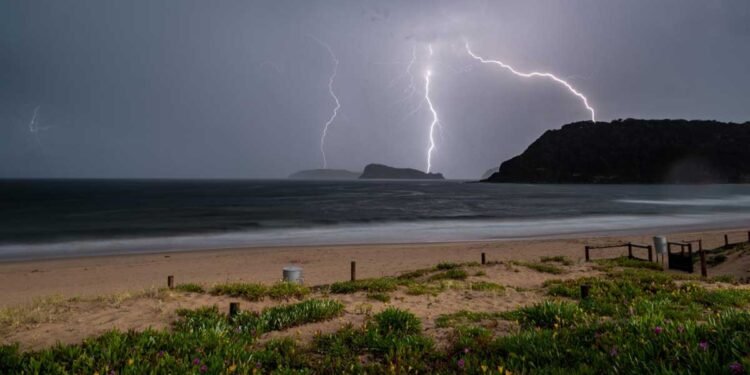

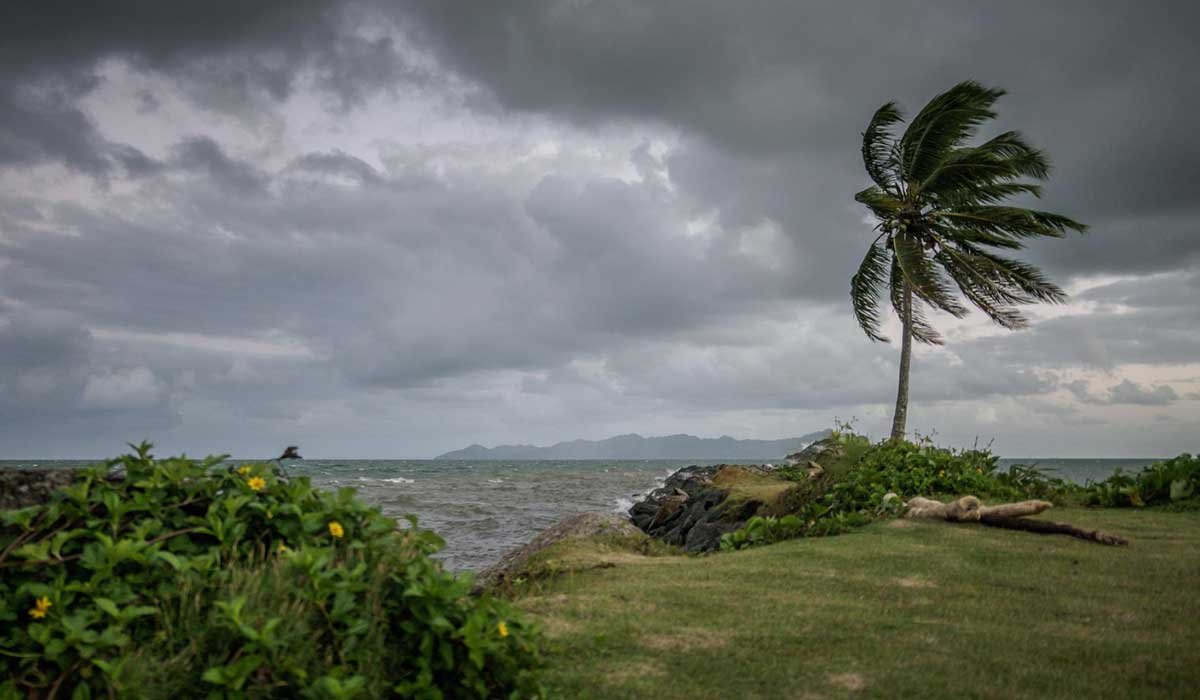
New Zealand’s North Island is bracing for a long spell of heavy tropical rain and thunderstorms, with weather systems expected to bring intense downpours for up to 15 hours in some regions. Forecasters warn that warm, humid air moving south is creating the perfect conditions for unstable weather, increasing the risk of flash flooding and localised damage.
What’s Driving This Weather Event?
The incoming system is fuelled by moist tropical air combined with changing wind patterns over the Tasman Sea. This mix can lead to slow-moving rain bands and thunderstorms that linger over the same areas, dumping large volumes of rain in a short time. Such conditions raise concerns for low-lying communities, urban drainage systems, and rural catchments.
Potential Impacts Across the North Island
- Flooding risk: Heavy rain over several hours can overwhelm drains and rivers.
- Travel disruption: Slippery roads, reduced visibility, and possible road closures.
- Power interruptions: Strong winds and lightning may affect power lines.
- Outdoor plans affected: Events and travel may face delays or cancellations.
Safety Tips for Residents
- Stay updated with official weather alerts.
- Avoid driving through flooded roads or low-lying crossings.
- Secure outdoor items that could be blown away in strong winds.
- Check on vulnerable neighbours, especially in flood-prone areas.
As climate patterns shift, New Zealand is experiencing more frequent extreme rainfall events. Preparedness, timely information, and community awareness remain key to reducing risks during prolonged storm conditions.



FAQs
1. How long will the heavy rain last?
Some parts of the North Island may experience continuous heavy rain and thunderstorms for up to 15 hours, depending on how the system tracks.
2. Which areas are most at risk of flooding?
Low-lying regions, urban areas with poor drainage, and locations near rivers and streams face higher flood risks.
3. Is this type of weather becoming more common in NZ?
Yes, warmer air and changing climate patterns are increasing the likelihood of intense rainfall and storm events.
4. What should I do if flooding occurs near my home?
Move to higher ground if advised, avoid floodwaters, and follow instructions from local authorities and emergency services.
Disclaimer
This article is for general information only and does not replace official weather warnings or emergency guidance. Always follow updates and advice from local authorities and weather agencies.
Read more New Zealand updates and breaking news on NZ Indian Insights.