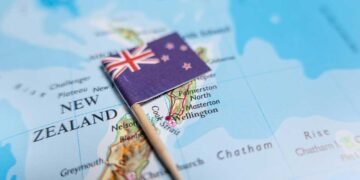
New Zealand has long been recognised as one of the world’s most welcoming destinations for skilled professionals. People from different countries continue to choose New Zealand not only for employment opportunities but also for the chance to build a stable and meaningful future.
While immigration policies may change from time to time based on economic needs and government priorities, the country’s broader approach still reflects openness, diversity, and inclusion. For many migrants, New Zealand offers more than a job it offers a place to grow personally, professionally, and socially.
A Strong History of Skilled Migration
Skilled migration has played a major role in shaping New Zealand’s workforce and economy for many years. Professionals from overseas have contributed across a wide range of industries and continue to be an important part of the country’s development.
Some of the key sectors where migrants have made a strong impact include:
- Healthcare and aged care
- Construction and infrastructure
- Information technology and digital services
- Education and academic research
- Engineering and manufacturing
- Community and social services
Doctors, nurses, teachers, engineers, IT specialists, and many other professionals have helped fill critical workforce gaps while bringing valuable international experience and fresh perspectives.
This contribution is widely recognised and remains an important part of New Zealand’s long-term growth.
Opportunities Based on Real Workforce Demand
One of the strongest features of New Zealand’s immigration system is its connection to labour market demand. Skilled migration pathways are often designed around industries where local talent shortages exist.
This creates genuine opportunities for qualified professionals rather than uncertain or temporary prospects.
For migrants, this often means:
- Access to real job openings
- Higher employer demand for specialised skills
- Faster entry into the workforce
- Stronger support from employers willing to hire internationally trained professionals
When industries actively need workers, the transition into employment becomes smoother and more practical for newcomers.
A Supportive and Balanced Work Culture
Many migrants who move to New Zealand often speak positively about the workplace culture. Compared to some countries where work pressure can dominate daily life, New Zealand places strong value on balance and wellbeing.
Some commonly appreciated workplace qualities include:
- Respect for work-life balance
- Inclusive and fair workplace practices
- Open communication between teams and management
- A strong focus on collaboration rather than hierarchy
- Opportunities for learning and professional development
This environment can make settling into a new country much less stressful. Feeling respected and supported at work often plays a major role in successful migration experiences.
Clear Pathways for Career Growth
For skilled migrants, career growth does not usually happen overnight—but New Zealand offers practical pathways for long-term progress.
Many professionals begin with entry-level or intermediate roles while gaining local experience and understanding workplace expectations. Over time, this often leads to stronger career opportunities.
A common progression may include:
- Starting in a role aligned with existing qualifications
- Building local industry experience
- Expanding professional networks
- Moving into senior or specialised positions
- Exploring long-term settlement and residency pathways
This gradual but steady career progression allows migrants to establish themselves with confidence and stability.
Diversity Strengthens the Workforce
New Zealand’s workforce is becoming increasingly diverse, and this diversity brings major benefits to businesses and communities.
Migrants contribute far more than technical skills. They also bring:
- Global industry knowledge
- Cultural understanding
- Multilingual communication abilities
- Different problem-solving approaches
- Innovation in workplace thinking and practices
Employers increasingly recognise that diverse teams often lead to stronger decision-making, better customer understanding, and improved workplace culture.
This creates an environment where international talent is not only accepted but genuinely valued.
Opportunities Beyond Major Cities
While cities like Auckland, Wellington, and Christchurch often attract attention, regional New Zealand also offers strong opportunities for skilled migrants.
Many smaller towns and regional centres face high demand in essential industries and provide a different lifestyle that many families find appealing.
Regional areas often offer:
- Strong demand for workers
- Lower living costs in some locations
- Community-focused lifestyles
- Faster integration into local networks
- Opportunities in healthcare, agriculture, education, and trades
For some migrants, regional New Zealand provides a faster and more rewarding path to both career success and community belonging.