

Why Breakfast Matters for a Healthy Lifestyle
Breakfast is often called the most important meal of the day—and for good reason. A well-balanced breakfast helps kick-start your metabolism, stabilise blood sugar levels, improve focus, and provide sustained energy throughout the day. For families, working professionals, and students alike, choosing the right breakfast can make a noticeable difference to overall health.
Skipping breakfast or choosing highly processed foods may lead to low energy, overeating later in the day, and poor nutritional intake. The key is balance: combining protein, fibre, healthy fats, and essential vitamins.
What Makes a Breakfast Healthy?
A nutritious breakfast doesn’t need to be complicated. The healthiest options usually include:




- Protein – Supports muscle health and keeps you full longer
- Fibre – Aids digestion and supports gut health
- Healthy fats – Helps with nutrient absorption and brain function
- Natural carbohydrates – Provides steady energy
Avoid breakfasts high in added sugar, refined flour, and excess salt, as these can cause energy crashes and cravings.
Best Breakfast Foods for a Healthy Diet
1. Oats and Whole Grains
Oatmeal, whole-grain toast, and muesli are rich in fibre and help maintain steady energy levels. Pair them with fruits or nuts for added nutrition.
2. Fresh Fruits and Vegetables
Fruits like berries, bananas, apples, and seasonal produce provide vitamins, antioxidants, and natural sweetness. Vegetables such as spinach or tomatoes can be added to omelettes or smoothies.
3. Protein-Rich Foods
Eggs, Greek yoghurt, paneer, tofu, legumes, and nuts are excellent protein sources. Protein helps control appetite and supports muscle repair.
4. Healthy Fats
Avocados, seeds (chia, flax, pumpkin), and nuts contribute healthy fats that support heart and brain health.
5. Traditional Homemade Breakfasts
Home-cooked meals like idli, dosa (made with minimal oil), poha, upma with vegetables, or whole-wheat paratha with curd can be healthy when portion sizes and ingredients are balanced.
Simple Healthy Breakfast Ideas
- Oats topped with fruit and seeds
- Vegetable omelette with whole-grain toast
- Smoothie with yoghurt, fruit, and nuts
- Idli with sambar packed with vegetables
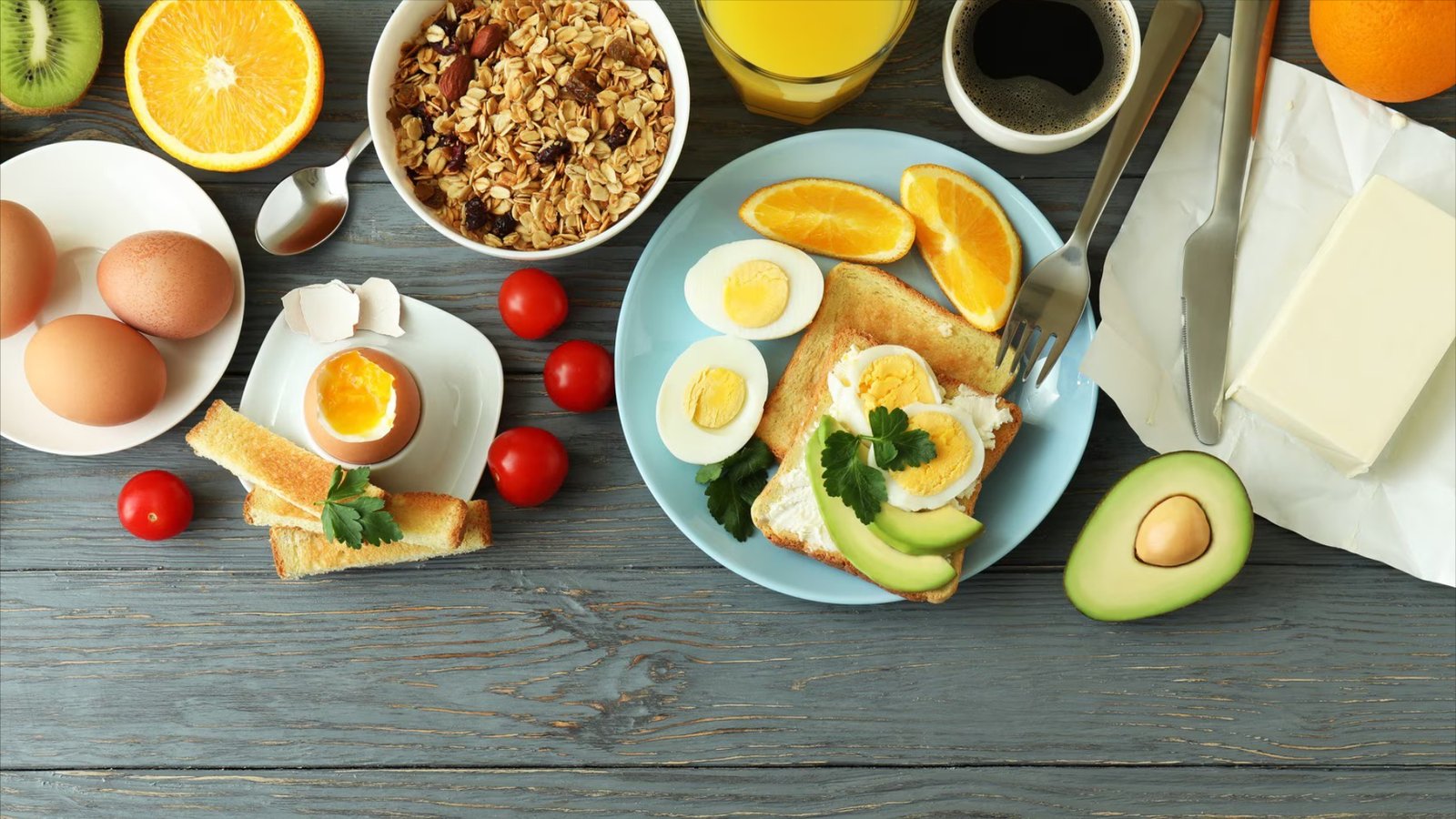
- Whole-grain toast with avocado and boiled eggs
These options are easy to prepare and suitable for busy mornings.
Common Breakfast Mistakes to Avoid
- Skipping breakfast entirely
- Relying on sugary cereals or packaged foods
- Consuming only tea or coffee without food
- Overeating heavy, fried items daily
Small changes can lead to long-term health benefits.
FAQs:
What is the healthiest breakfast overall?
A healthy breakfast includes a balance of protein, fibre, healthy fats, and natural carbohydrates, such as oats with fruit and nuts or eggs with vegetables.
Is it okay to eat traditional Indian breakfast foods?
Yes. Traditional breakfasts can be very healthy when prepared with whole ingredients, less oil, and proper portions.
Can breakfast help with weight management?
Yes. Eating a nutritious breakfast may reduce unhealthy snacking and help regulate appetite throughout the day.
Are smoothies a good breakfast option?
Smoothies can be healthy if they include whole fruits, protein, and healthy fats, and avoid added sugars.
What is the healthiest breakfast overall?
A healthy breakfast includes a balance of protein, fibre, healthy fats, and natural carbohydrates, such as oats with fruit and nuts or eggs with vegetables.
Is it okay to eat traditional Indian breakfast foods?
Yes. Traditional breakfasts can be very healthy when prepared with whole ingredients, less oil, and proper portions.
Can breakfast help with weight management?
Yes. Eating a nutritious breakfast may reduce unhealthy snacking and help regulate appetite throughout the day.
Are smoothies a good breakfast option?
Smoothies can be healthy if they include whole fruits, protein, and healthy fats, and avoid added sugars.
Disclaimer
This article is for informational purposes only and does not replace professional medical or nutritional advice. Individual dietary needs may vary. Always consult a qualified healthcare or nutrition professional before making significant changes to your diet.